Introduction
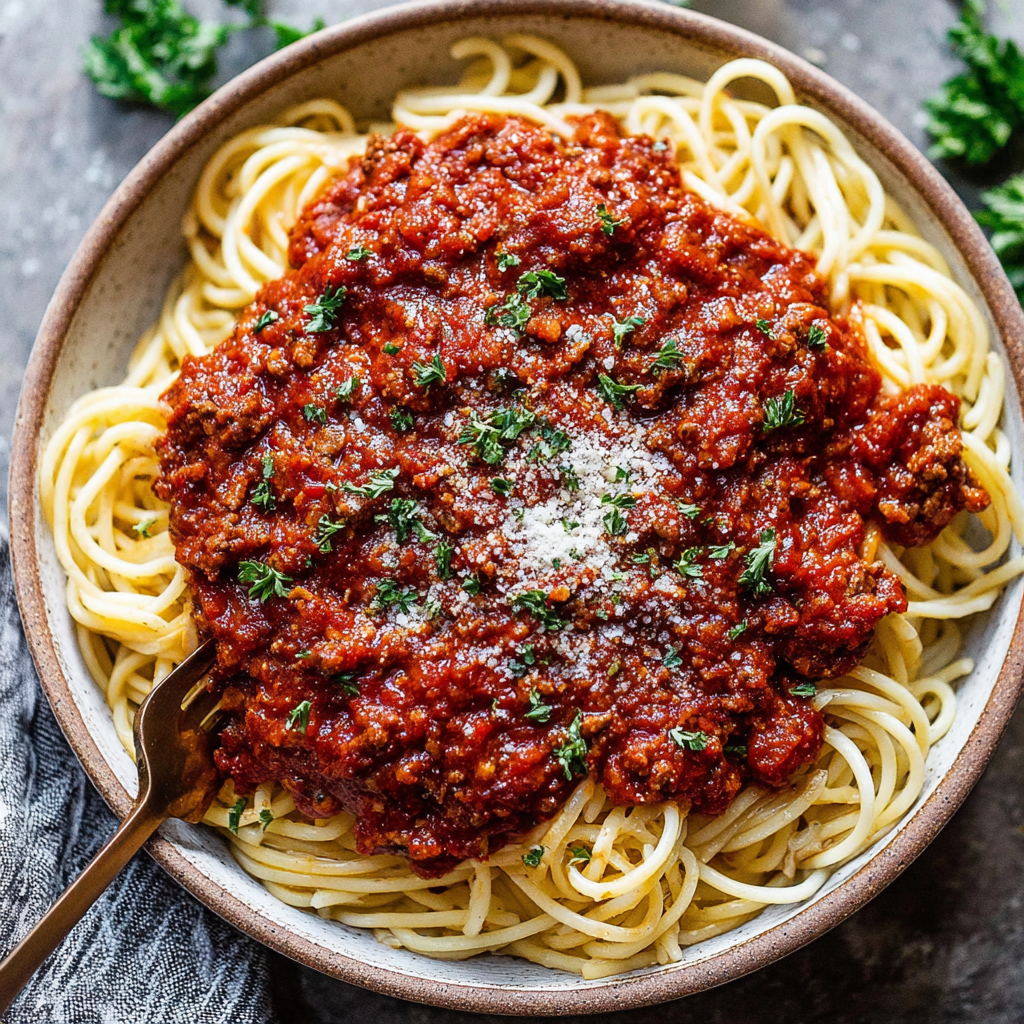
Tomato sauce is the heart of Italian cooking. It offers a vibrant burst of flavor that complements various pastas and dishes. A rich tomato pasta sauce, when made well, envelops pasta with a balance of sweetness and acidity, making every bite a delight.
Crafting this sauce at home elevates your cooking experience. Using fresh ingredients, you can customize the flavor profiles to suit your tastes. A deep, savory sauce not only becomes the star of your meal but also adds warmth to any gathering.
Ingredients
- 2 tablespoons olive oil
Olive oil acts as the base for sautéing the aromatics, providing richness and depth of flavor. Its healthy fats help dissolve and carry the other flavors throughout the sauce. - 1 medium onion, finely chopped
Onion adds sweetness and depth, developing an underlying savory note as it caramelizes. It also provides a solid foundation for the sauce, enhancing the overall flavor. - 3 cloves garlic, minced
Garlic introduces a sharp, aromatic element, giving the sauce a fragrant quality. Its natural sweetness complements the acidity of the tomatoes beautifully. - 1 teaspoon dried oregano
Oregano brings an earthy warmth to the sauce, enhancing the overall Italian profile. Its robust flavor pairs well with tomatoes, creating an aromatic backbone. - 1/2 teaspoon red pepper flakes
Red pepper flakes add a subtle heat, elevating the flavor of the sauce without overwhelming it. This spice gives it a touch of excitement perfect for pasta dishes. - 1 can (28 ounces) whole peeled tomatoes
Whole peeled tomatoes provide a rich base for the sauce. They are packed with natural sugars and acidity, ensuring a vibrant flavor when blended. Using high-quality tomatoes is crucial for the sauce’s ultimate taste. - 1 teaspoon sugar
Sugar helps balance the acidity of the tomatoes, rounding out the flavor profile. It enhances the natural sweetness of the sauce without making it overly sweet. - Salt and black pepper, to taste
Salt and pepper enhance flavors, bringing out the best in each ingredient. Proper seasoning is essential to achieving a well-balanced sauce. - Fresh basil leaves, for garnish
Fresh basil adds a vibrant, aromatic note, acting as a finishing touch to the dish. Its flavor complements the sauce perfectly and elevates the presentation.
Directions & Preparation
Step 1: Heat the olive oil in a large skillet over medium heat.
Starting with the olive oil, heat it in your skillet. This step is crucial as it forms the cooking medium for your aromatics. Olive oil not only adds flavor but also allows heat to distribute evenly, ensuring that the garlic and onion sauté properly. Keep an eye on the temperature; it should be hot enough to sauté but not so hot that the oil smokes.
Step 2: Add the chopped onion and sauté until translucent.
By cooking the onions until they are translucent, you release their natural sugars, helping to build a sweet depth in the sauce. This step usually takes about 5-7 minutes. Stir occasionally to prevent them from browning too quickly. The goal is to soften them while allowing them to become fragrant and sweet—an essential layer for your sauce.
Step 3: Stir in the minced garlic, oregano, and red pepper flakes.
Introducing garlic, oregano, and red pepper flakes at this point infuses the oil with their flavors, creating a fragrant base. The garlic should only cook for about 30 seconds until fragrant, as it can turn bitter quickly. This step is critical to completing the aromatic layer of your sauce and ensuring a balanced flavor profile.
Step 4: Pour in the canned tomatoes along with their juice.
Adding the canned tomatoes gives the sauce its main body. Use high-quality tomatoes for the best taste. When you pour them in, break them up with a spoon or spatula to help them incorporate. This step allows the sauce to meld flavors, so don’t skip breaking them up, as it enhances the texture and consistency.
Step 5: Add sugar, salt, and black pepper to taste.
This is the phase where you control the sauce’s overall flavor. The sugar balances acidity, while salt and pepper enhance the natural flavors. Start with small amounts and adjust as needed—cooking is a personal journey. Give everything a good stir, ensuring that the seasonings are evenly distributed throughout the mixture.
Step 6: Bring the sauce to a gentle simmer, then reduce the heat.
Simmering allows the flavors to meld together, softening the tomatoes further and creating a rich texture. Once at a simmer, reduce the heat to maintain a low bubble. Let the sauce cook for 20-30 minutes, stirring occasionally to prevent sticking. This step deepens the flavors, crafting a hearty sauce that clings beautifully to pasta.
Step 7: Taste and adjust the seasoning as needed.
Tasting your sauce is vital to ensure it meets your flavor preferences. Adjust seasoning if necessary, whether by adding more salt, pepper, or sugar. This personal touch guarantees that the sauce reflects your palate, making it feel truly like your own creation. Remember, the sauce should be well-rounded and vibrant.
Step 8: Finish with fresh basil before serving.
Adding fresh basil just before serving gives a burst of aromatic freshness that brightens the sauce. Either tear the leaves for a rustic feel or chop them if you prefer finer bits. This step not only enhances the flavor but also makes the dish visually appealing—a little greenery on top can elevate the whole meal.

Choosing the Right Tomatoes for Depth
The choice of tomatoes significantly influences the quality and flavor of your sauce. Whole peeled tomatoes in a can often yield richer flavor profiles than diced ones due to the preservation of their juices. Look for San Marzano or other high-quality varieties to achieve that deep, slightly sweet characteristic that defines a rich tomato sauce. Fresh tomatoes can also work in the peak of summer but require adjusting the cooking time and possibly more seasoning.
Creating a Saucy Texture: The Key to Consistency
Achieving the right consistency in your tomato sauce is essential to its success. If your sauce is too thin, allow it to simmer uncovered for a longer duration; this evaporation thickens it naturally. Conversely, if it's too thick, add a splash of water or vegetable broth. Remember, the texture should be able to coat your pasta and cling to it rather than pool at the bottom of your bowl.
Elevating Flavor with Extra Ingredients
For those looking to enhance their rich tomato sauce, consider adding additional ingredients such as minced carrots or celery to the onion sauté. These elements add natural sweetness and complexity. Alternatively, fresh herbs like thyme or parsley can replace or complement basil for a different flavor profile. Experimenting with these additions allows for a personalized touch, perfect for adapting the sauce to various dishes.
FAQs
What if my sauce turns out tasting too acidic?
If your sauce is too acidic, add a little more sugar to balance the flavors. Another method is to incorporate a splash of cream, which can soften the acidity nicely.
Can I make this sauce spicy?
Absolutely! Increase the amount of red pepper flakes or add a chopped fresh chili during the sauté phase for an extra kick, adjusting to your heat preference.
What should I do if my sauce is too thick?
If your sauce is too thick, gradually add water or broth to reach the desired consistency. Stir well and allow it to mix thoroughly before serving.
Can I scale up the recipe for a larger batch?
Yes, you can easily double or triple the ingredients in this recipe. Just ensure to use a larger pot to accommodate increased volume; longer cooking time may also be necessary to develop flavors properly.
Is there a way to add more umami flavor to the sauce?
Adding a splash of balsamic vinegar or soy sauce can enhance the umami profile of your tomato sauce. Additionally, a tablespoon of tomato paste can deepen flavors significantly.
What do I do if my sauce has a bland taste?
If your sauce tastes bland, consider adding more salt or a splash of vinegar. Also, ensure you've let it simmer long enough to develop flavors.
Conclusion
Making a rich tomato pasta sauce from scratch not only enhances your meals but also fills your kitchen with enticing aromas. Each ingredient plays a significant role, elevating the sauce’s rich, complex flavors.
With a few fresh ingredients and a bit of patience, you can create a sauce that's unparalleled in flavor and comfort. Once you master this, the possibilities for pasta dishes become endless.
Recipe Card

Delightful Mango Danish Pastry for Home Bakers
Ingredients
Method
- Preheat your oven to 400°F (200°C).
- Prepare the filling by mixing cream cheese, sugar, vanilla extract, and diced mango in a bowl.
- Roll out the puff pastry on a lightly floured surface to thin it slightly.
- Cut the pastry into squares or rectangles, about 4 inches wide.
- Spoon the mango filling onto the center of each pastry square.
- Fold the corners of the pastry squares to the center to create a packet.
- Brush the tops with the egg wash for a golden finish.
- Bake in the preheated oven for 15-20 minutes until golden brown.
- Let cool slightly before dusting with powdered sugar.
- Serve warm and enjoy your delicious Mango Danish.
Notes
Additional serving suggestions: pair with a crisp salad, garlic bread, or roasted seasonal vegetables for balance.
For make-ahead, prep components separately and assemble just before heating to preserve texture.
Taste and adjust with acid (lemon/vinegar) and salt right at the end to wake up flavors.