Introduction
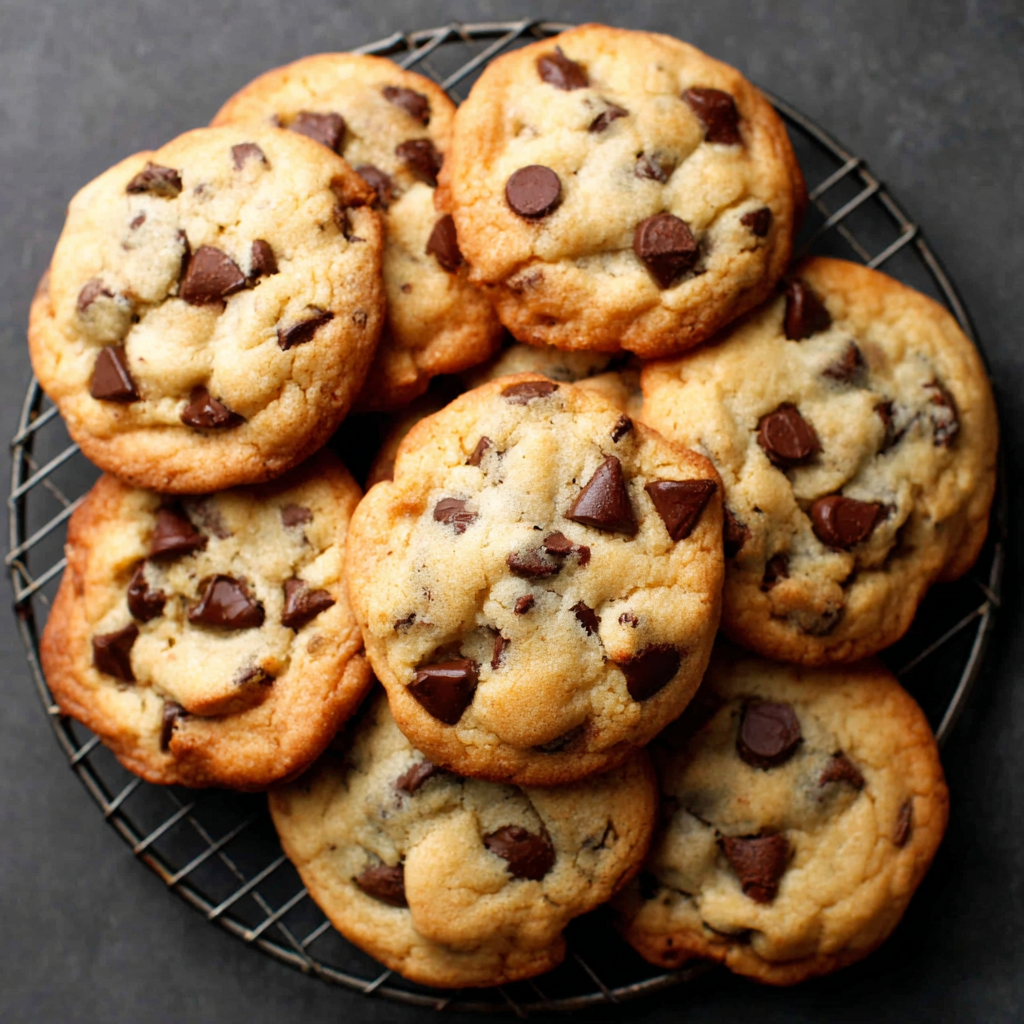
There’s nothing quite like the comforting aroma of classic chocolate chip cookies baking in your oven. The soft, chewy texture combined with the gooeyness of melted chocolate creates a nostalgic experience that few can resist.
Whether you're an experienced baker or a home cook just starting out, this recipe for soft chocolate chip cookies delivers satisfying results every time. It's about simplicity, quality ingredients, and the joy of sharing fresh cookies with friends and family.
Ingredients
- 2 1/4 cups all-purpose flour
All-purpose flour provides the structure for the cookies. It balances the fat and moisture, creating the ideal texture for soft cookies. - 1/2 teaspoon baking soda
Baking soda is a leavening agent that helps cookies rise slightly, contributing to their tender crumb. - 1 cup unsalted butter, softened
Butter adds rich flavor and moisture, making the cookies tender and chewy. Softened butter helps ensure even mixing. - 3/4 cup brown sugar
Brown sugar brings moisture and a hint of caramel flavor to the cookies, enhancing their chewiness. - 3/4 cup granulated sugar
Granulated sugar aids in creating a crispy texture on the edges while providing sweetness. - 1 teaspoon vanilla extract
Vanilla adds a depth of flavor that complements the chocolate, making each bite more enjoyable. - 2 large eggs
Eggs serve as a binder, adding richness as well as moisture, which contributes to the cookie's soft texture. - 2 cups semi-sweet chocolate chips
Chocolate chips are the star of this recipe, providing bursts of chocolate flavor in each cookie. - 1/2 teaspoon salt
Salt enhances the flavor of the cookies and balances the sweetness, making each bite taste more complex.
Directions & Preparation
Step 1: Preheat your oven to 375°F (190°C).
Preheating the oven is crucial for even baking. It ensures that the cookies start cooking immediately upon entering, resulting in the perfect texture.
Step 2: In a bowl, whisk together the flour and baking soda; set aside.
Whisking the dry ingredients helps to evenly distribute the baking soda throughout the flour. This step also aerates the mixture, making it easier to combine with the wet ingredients.
Step 3: In a large bowl, cream together the softened butter, brown sugar, and granulated sugar until smooth.
Creaming the butter and sugars incorporates air into the mixture, which is vital for achieving a light, fluffy texture. It also melts the sugar slightly, allowing it to dissolve easier in the following ingredients.
Step 4: Add the eggs, one at a time, and the vanilla extract; mix until fully incorporated.
Adding the eggs one at a time ensures even mixing, which is essential for the structure of the cookies. Vanilla enhances flavor and makes the batter more aromatic.
Step 5: Gradually add the flour mixture to the wet ingredients, mixing just until combined.
Mixing just until combined prevents overworking the dough, which can lead to tougher cookies. A few flour streaks are okay; they will incorporate as you add the chocolate.
Step 6: Fold in the chocolate chips until evenly distributed.
Folding protects the texture of the cookies by minimizing the mixing process. This ensures a lovely balance of chocolate in each cookie.
Step 7: Drop rounded tablespoons of dough onto ungreased baking sheets, spacing them 2 inches apart.
Spacing is critical as the cookies will spread during baking. Ensure enough room for the cookies to expand without merging.
Step 8: Bake in the preheated oven for 9 to 11 minutes, or until the edges are lightly browned.
Keeping an eye on the baking time is essential to prevent overcooking. The centers will appear soft and slightly underbaked, which is perfect for a soft cookie.
Step 9: Let the cookies cool on the baking sheet for 5 minutes, then transfer to wire racks.
Cooling the cookies on the baking sheet allows them to set slightly before moving them. This helps maintain their shape and prevents them from breaking.

Choosing the Right Chocolate
The choice of chocolate can significantly alter the cookie experience. Semi-sweet chocolate chips are traditional, providing a perfect balance of sweetness. For a varied flavor profile, consider using dark chocolate or even mixing in some milk chocolate for creaminess. Additionally, try sprinkling a few flakes of sea salt on top right before baking to enhance the overall richness.
The Importance of Butter Temperature
Using softened butter is one of the keys to achieving the right texture in cookie dough. Cold butter can create a dense and hard cookie, while overly melted butter can lead to flat cookies. Ideally, butter should be set out for about an hour before baking to reach room temperature, making it easier to cream with sugars for that perfect soft bite.
Experimenting with Mix-ins
While this recipe is classic, experimenting with mix-ins can elevate your cookies. Consider adding chopped nuts for a crunchy texture or even a handful of dried fruit for a sweet twist. You could also sprinkle some oats into the dough for an added layer of flavor and chewiness. The key is to maintain balance, ensuring the main chocolate flavor is never overshadowed.
FAQs
Why are my cookies spreading too much?
If your cookies are spreading excessively, it could be due to soft butter that was too melted or warm dough. Ensure the butter is softened, not melted, and consider chilling the dough for 30 minutes before baking.
What can I do if my cookies are bland?
If your cookies lack flavor, try adding a pinch more salt to enhance sweetness. You can also experiment with the quality of your chocolate or add extra vanilla for a richer taste.
My cookies came out too thick, what went wrong?
Thick cookies often result from too much flour or insufficient creaming of the butter and sugars. Ensure you are measuring flour correctly, using the spoon-and-level method, and mix thoroughly until light and fluffy.
Can I substitute chocolate chips with another type?
Absolutely! Feel free to substitute chocolate chips with ingredients like butterscotch chips, white chocolate, or even peanut butter chips to give your cookies a unique flavor.
How can I achieve a more gooey center?
To achieve a gooey center, slightly underbake the cookies. Remove them from the oven when the edges are set but the centers still look soft.
What adjustments should I make for high-altitude baking?
At high altitudes, you may need to reduce the flour slightly or add a bit more liquid. Additionally, consider increasing the oven temperature by 15-20°F to help cookies rise properly.
Conclusion
Baking classic soft chocolate chip cookies is a heartwarming experience that unites people in their love for this sweet treat. Each bite delivers not only the delightful flavor but also memories of family gatherings and cozy afternoons.
Embrace the joy of baking, remember to share your creations, and take pride in every cookie you produce. Happy baking!
Recipe Card
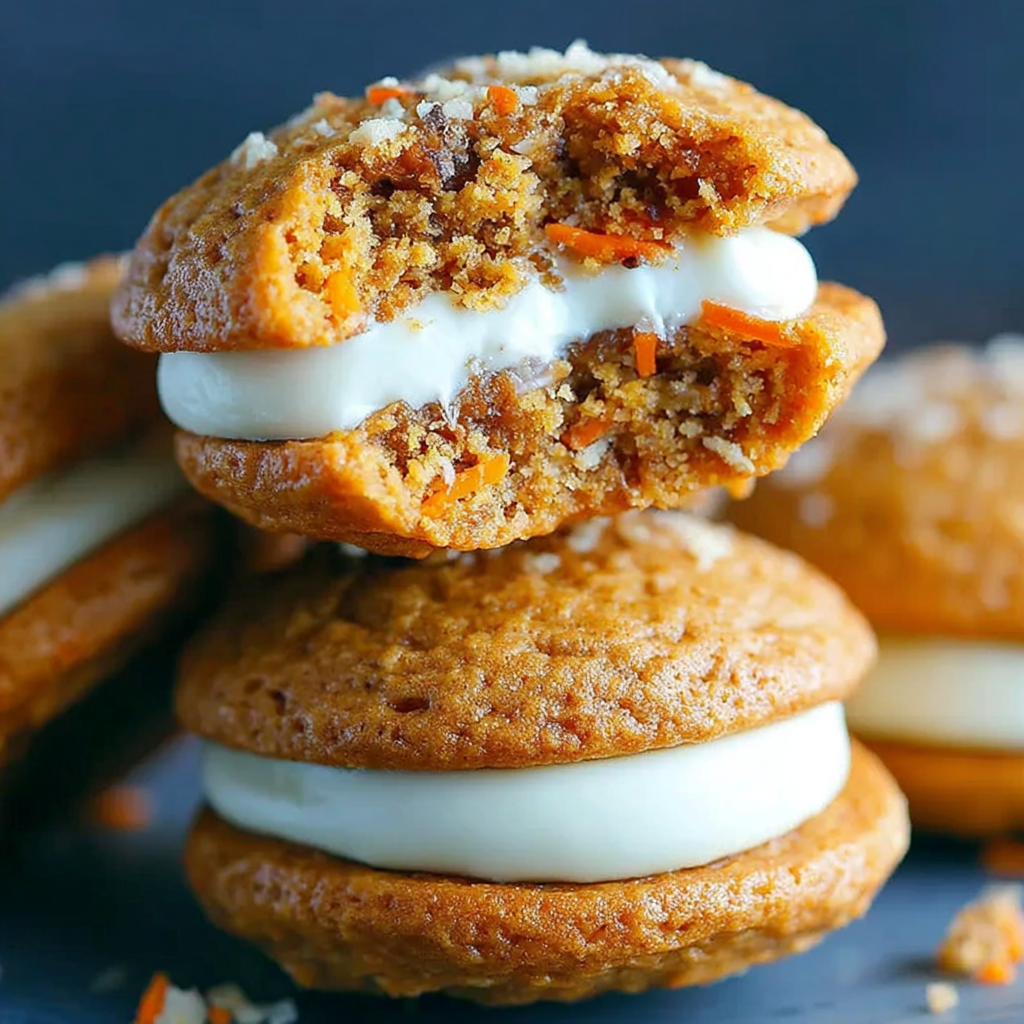
Carrot Cake Whoopie Pies: Delight in This Easy Recipe!
Ingredients
Method
- Preheat the oven to 350°F (175°C).
- In a bowl, whisk together the flour, baking powder, baking soda, cinnamon, nutmeg, and salt.
- In a separate bowl, blend the granulated sugar, brown sugar, and vegetable oil until combined.
- Add the eggs one at a time, mixing well after each addition, then stir in the vanilla.
- Gradually add the dry ingredients to the wet mixture, stirring until just combined. Fold in the grated carrots.
- Using a tablespoon or cookie scoop, drop rounded mounds of dough onto a baking sheet lined with parchment paper, spacing them about 2 inches apart.
- Bake for 12-15 minutes or until the tops are set and spring back when gently pressed.
- Remove from the oven and let the cookies cool on the baking sheet for 5 minutes before transferring them to a wire rack to cool completely.
- In a mixing bowl, combine softened cream cheese, powdered sugar, and milk, beating until smooth and creamy.
- Once cookies are completely cooled, spread a generous amount of frosting on the flat side of one cookie and sandwich it with another.
Notes
Additional serving suggestions: pair with a crisp salad, garlic bread, or roasted seasonal vegetables for balance.
For make-ahead, prep components separately and assemble just before heating to preserve texture.
Taste and adjust with acid (lemon/vinegar) and salt right at the end to wake up flavors.