Introduction
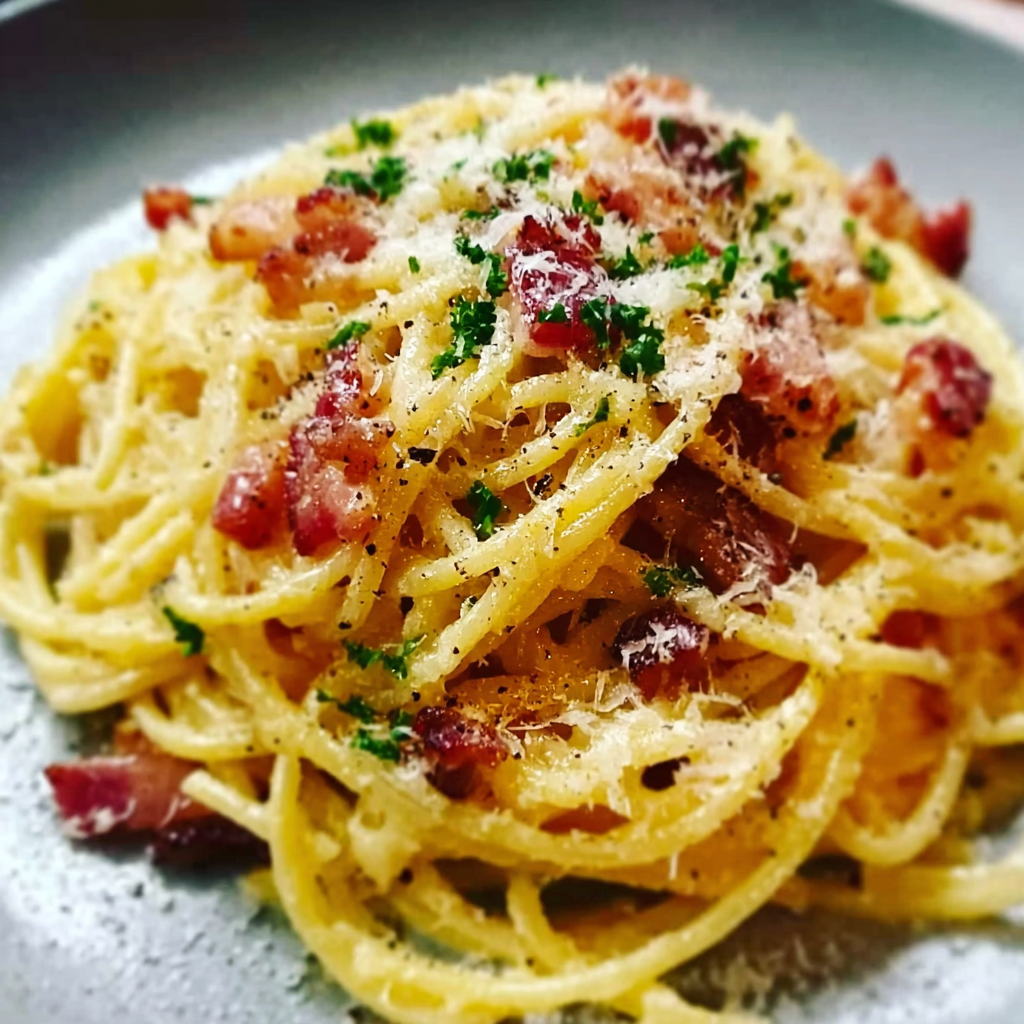
Few dishes are as quintessentially Italian as spaghetti carbonara. This Roman classic brings together simple ingredients to create a dish that is rich, comforting, and incredibly satisfying. The harmony of flavors and textures in carbonara tells a story of culinary artistry passed down through generations.
What sets carbonara apart is its delightful creaminess, which is achieved without the use of cream. Instead, the creamy texture comes from a luscious mixture of eggs and cheese that clings to each strand of pasta. While variations of this dish exist, the traditional preparation remains a cornerstone of Italian home cooking.
Whether you are an experienced chef or a home cook just beginning your culinary journey, spaghetti carbonara can be a rewarding meal to prepare. It highlights the beauty of Italian cuisine: freshness, quality ingredients, and technique.
Ingredients
- 400g spaghetti
The foundation of the dish, spaghetti provides the perfect canvas for the sauce. Its long, thin shape allows it to be coated evenly by the creamy carbonara sauce. - 150g guanciale or pancetta
This cured meat adds depth and richness to the dish, infusing it with a savory flavor. Guanciale is traditional for carbonara, but pancetta can be an easier find and still delicious. - 3 large eggs
Eggs are crucial for creating the creamy sauce. They contribute richness and a velvety texture when combined with the cheese, forming a smooth coating for the pasta. - 100g Pecorino Romano cheese
A hard, salty cheese, Pecorino Romano lends a distinctive flavor that pairs beautifully with the other ingredients. It is stronger than Parmesan and is an essential component of authentic carbonara. - Salt, to taste
Salt enhances all the flavors in the dish. It's important to use it judiciously, as both the guanciale and cheese are quite salty on their own. - Freshly cracked black pepper
This adds the final touch of spice and warmth to the dish, balancing the rich flavors and providing a pleasant contrast to the creamy texture.
Directions & Preparation
Step 1: Boil a large pot of salted water and cook the spaghetti until al dente.
The first step in creating spaghetti carbonara is boiling water with a good amount of salt. The salt enhances the pasta's flavor and helps it remain seasoned during cooking. Al dente is key; this ensures the pasta maintains some bite, which will enhance the final dish.
Step 2: While the pasta cooks, dice the guanciale into small pieces.
Preparing the guanciale or pancetta before cooking allows for even rendering and ensures it's ready when the pasta is done. The goal is to achieve a crispy texture while releasing flavorful fat that will become part of the sauce.
Step 3: In a large skillet, cook the guanciale over medium heat until crispy and golden brown.
Cooking the guanciale or pancetta slowly is essential for rendering the fat properly. As it cooks, it will release oil that adds flavor to the dish. The transformation from raw to crispy texture is visually satisfying and enhances flavor.
Step 4: In a bowl, whisk together the eggs and grated Pecorino Romano until well combined.
Whisking the eggs with cheese at this stage prepares the creamy dressing that will coat the pasta. The combination will become creamy as it mixes with the hot pasta, creating the signature sauce without the need for unnecessary cream.
Step 5: Once the spaghetti is cooked, reserve some pasta water and drain the rest.
Reserving pasta water is a smart move as it contains starch that can help emulsify the sauce later. The starchy water will help achieve the desired creaminess without making it too thin or soupy.
Step 6: Add the hot pasta to the skillet with guanciale, removing from the heat immediately.
Combining the pasta with the hot guanciale ensures that the rendered fat coats the spaghetti. Removing the skillet from heat prevents the eggs from scrambling when added next, allowing for a creamy consistency.
Step 7: Quickly add the egg and cheese mixture, stirring vigorously to create a creamy sauce.
This crucial step requires quick action. The residual heat will cook the eggs gently, allowing them to form a silky sauce that envelops every strand of pasta. Stirring continuously helps to create an even consistency.
Step 8: If the sauce is too thick, add reserved pasta water a little at a time until desired creaminess is achieved.
It's normal for the sauce to seize during mixing; the starchy pasta water can loosen it back to the perfect creamy consistency. Add just enough to make it luscious, but avoid making it watery.
Step 9: Finish with freshly cracked black pepper and additional grated Pecorino Romano before serving.
The final touches of black pepper and cheese elevate the dish, ensuring each bite is packed with flavor. Adding the pepper just before serving keeps it aromatic and fresh.

Understanding the Ingredients of Carbonara
The hallmark of a great spaghetti carbonara lies in its ingredients. Each element plays a pivotal role; guanciale provides a depth of flavor that is both rich and savory, while the combination of eggs and cheese creates a decadently creamy texture. Opting for quality, authentic materials can significantly impact the overall taste and authenticity of the dish.
Achieving the Perfect Sauce Consistency
Creating the creamy sauce is an art that balances technique and timing. The residual heat from the pasta is hot enough to cook the eggs gently, allowing them to transform into a silky coating rather than scrambled bits. This delicate balance is achieved by stirring rapidly when combining the pasta with the egg mixture, forming a luscious sauce that clings beautifully to each strand of spaghetti.
Tips for Serving and Pairing
Spaghetti carbonara is a dish best enjoyed immediately to appreciate its creamy texture and rich flavors. Pair it with a simple green salad to balance the richness, and consider a crisp white wine, like a Pinot Grigio, to complement the meal. This simplicity aligns with Italian culinary philosophy, celebrating flavor and quality without unnecessary embellishments.
FAQs
Why is my spaghetti carbonara too watery?
If your carbonara is too watery, it might be that too much pasta water was added. Aim to add the reserved water gradually, mixing until you achieve your desired creaminess.
What can I do if my sauce turns out too thick?
If your sauce is too thick, simply drizzle in a bit more reserved pasta water and stir until it reaches the desired consistency. The starchy water is key in adjusting the sauce's thickness.
Is it necessary to use guanciale?
While guanciale is traditional, pancetta is an acceptable substitute if you can't find it. Both provide the salty, flavorful base that is essential for carbonara.
Can I make spaghetti carbonara with whole eggs instead of yolks?
Using whole eggs is not traditional, but it can work in a pinch. However, using only the yolks results in a creamier sauce, which is characteristic of authentic carbonara.
What should I do if my eggs scramble instead of creating a sauce?
If your eggs scramble, it means the heat was too high. To prevent this, it’s crucial to mix the egg mixture with the pasta off the heat, allowing the residual warmth to gently cook the eggs.
How can I add more flavor to my carbonara?
To enhance flavor, consider adding roasted garlic or sautéed shallots before adding the pasta. Additionally, using high-quality Pecorino Romano will improve the overall taste.
Conclusion
Creating spaghetti carbonara at home is a fulfilling experience that connects you to Italian culinary traditions. The simplicity of the dish belies its depth of flavor, making it a beloved choice for many occasions.
Whether a quick weeknight meal or a special dinner with friends, this classic dish is sure to impress. With each forkful, you taste the richness of Italian culture and the excitement of home cooking.
Recipe Card
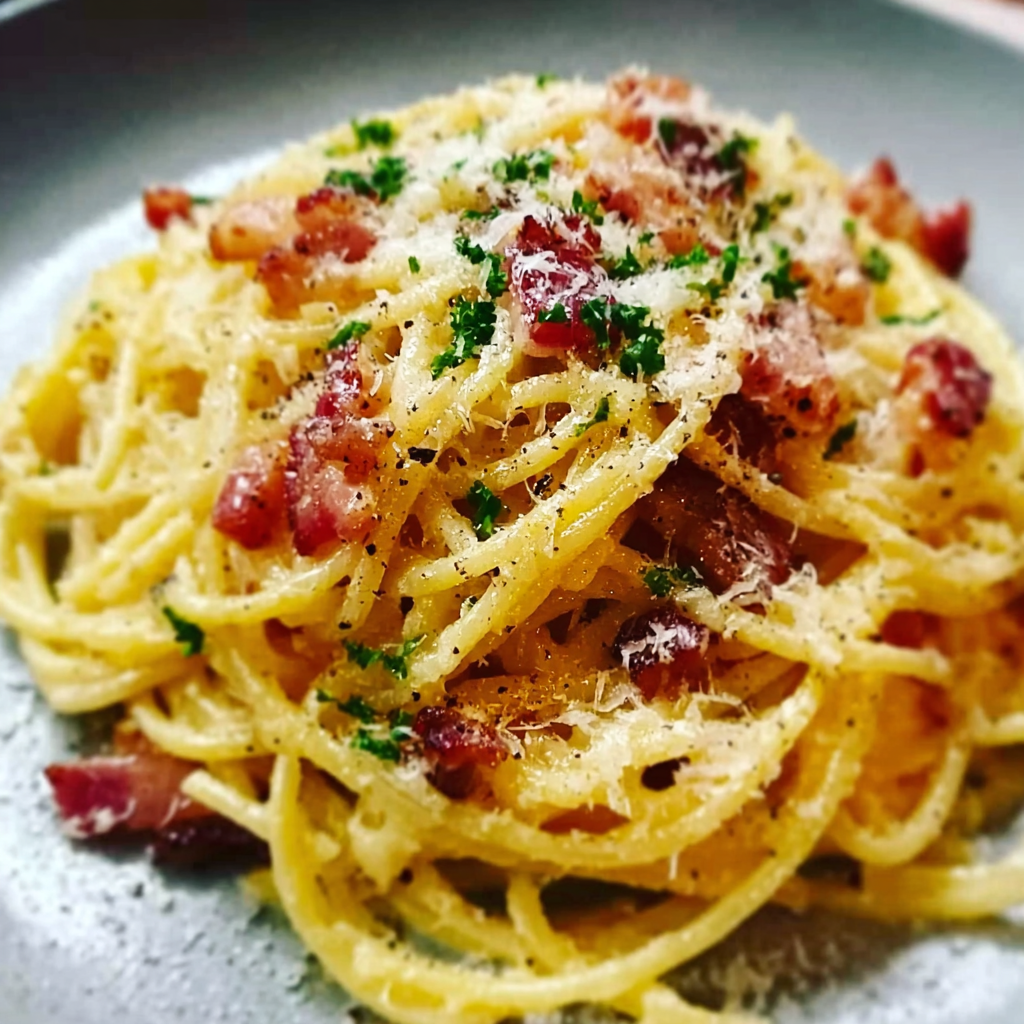
Spaghetti Carbonara: A Timeless Italian Classic
Ingredients
Method
- Boil a large pot of salted water and cook the spaghetti until al dente.
- While the pasta cooks, dice the guanciale into small pieces.
- In a large skillet, cook the guanciale over medium heat until crispy and golden brown.
- In a bowl, whisk together the eggs and grated Pecorino Romano until well combined.
- Once the spaghetti is cooked, reserve some pasta water and drain the rest.
- Add the hot pasta to the skillet with guanciale, removing from the heat immediately.
- Quickly add the egg and cheese mixture, stirring vigorously to create a creamy sauce.
- If the sauce is too thick, add reserved pasta water a little at a time until desired creaminess is achieved.
- Finish with freshly cracked black pepper and additional grated Pecorino Romano before serving.
Notes
Additional serving suggestions: pair with a crisp salad, garlic bread, or roasted seasonal vegetables for balance.
For make-ahead, prep components separately and assemble just before heating to preserve texture.
Taste and adjust with acid (lemon/vinegar) and salt right at the end to wake up flavors.