Introduction
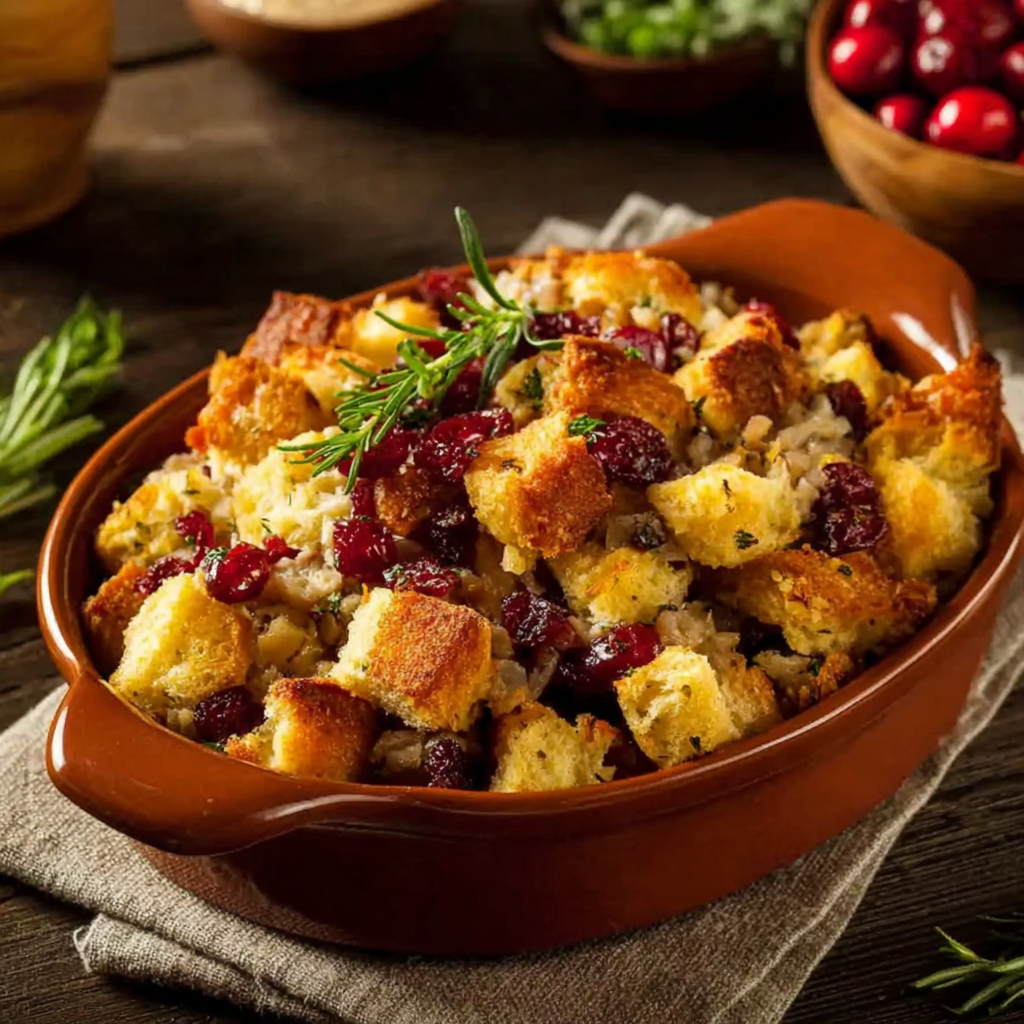
As the holiday season approaches, the aroma of Thanksgiving fills homes with warmth and love. One of the most cherished traditions is gathering around the table, where Grandma’s famous stuffing takes center stage, accompanied by laughter and fond memories. This dish combines the nostalgic flavors and aromas of the season, creating a comforting side that complements any feast.
Many families have their unique variations, but Grandma’s stuffing recipe is a timeless classic that showcases simple ingredients transformed into something extraordinary. Each bite brings a delightful crunch from toasted bread combined with the savory depth of herbs, vegetables, and broth, inviting everyone to go back for seconds.
Ingredients
- 1 loaf of day-old bread, cubed
Day-old bread is crucial as it has a firmer texture that holds up when combined with liquid. Using a variety of bread enhances flavor and texture, allowing for a more complex stuffing. - 1 cup celery, diced
Celery adds a wonderful crunch and aromatic freshness to the stuffing. Its mild flavor balances the richness of other ingredients and provides an essential aromatic base when sautéed. - 1 cup onion, diced
Diced onion contributes to the stuffing's depth of flavor. It caramelizes beautifully when cooked, adding sweetness and a savory taste that permeates throughout the dish. - 1/2 cup butter
Butter is a key ingredient that brings richness and moisture to the stuffing. It aids in browning the vegetables and infuses the mix with a luxurious flavor. - 2 teaspoons dried sage
Sage is a classic Thanksgiving herb that adds an earthy and slightly peppery taste. It complements the bread and enriches the stuffing’s overall flavor profile. - 1 teaspoon dried thyme
Thyme contributes a subtle herbal note that pairs beautifully with the other ingredients. It balances the richness and enhances the dish’s aromatic qualities. - 4 cups vegetable or chicken broth
Broth is essential for moistened stuffing that’s not too dry. The choice between vegetable or chicken broth can subtly shift the flavor, tailoring it to your preference. - Salt and pepper to taste
Seasoning the stuffing properly is key to ensuring all the flavors are pronounced. Salt enhances the overall taste, while pepper adds a bit of warmth and complexity.
Directions & Preparation
Step 1: Preheat the oven to 350°F (175°C).
Preheating the oven ensures even cooking from the start. An adequately heated oven helps the stuffing develop a nice golden crust and a warm, fluffy interior.
Step 2: Spread the cubed bread on a baking sheet and toast for 10-15 minutes until golden brown.
Toasting the bread adds a distinct crunch and helps it absorb the broth without becoming mushy. This step also deepens the flavor, making it more complex and satisfying.
Step 3: In a large skillet, melt the butter over medium heat. Add the diced onions and celery.
Sautéing onions and celery in butter allows them to soften and release their flavors. This mixture forms the aromatic base for the stuffing and brings out the natural sweetness of the vegetables.
Step 4: Cook the vegetables until they are translucent, about 5-7 minutes, then add sage and thyme.
Cooking the vegetables until translucent ensures they meld properly into the stuffing. Adding dried herbs at this stage releases their essential oils, amplifying the aroma and flavor.
Step 5: In a large bowl, combine the toasted bread, sautéed vegetables, and broth.
Combining the toasted bread with the sautéed mixture allows the flavors to blend beautifully. The broth is crucial to moistening the bread while keeping the desired consistency, so be mindful of the amount you use.
Step 6: Season with salt and pepper, mixing gently to combine all ingredients.
Proper seasoning is essential for elevating the dish’s flavors. Mixing gently ensures that the moisture is evenly distributed without breaking the bread down too much.
Step 7: Transfer the mixture to a greased baking dish and cover with foil.
Transferring to a greased dish prevents sticking and allows for easier serving later. Covering with foil traps steam, ensuring the stuffing cooks thoroughly without drying out.
Step 8: Bake for 30 minutes covered, then remove foil and bake for an additional 15-20 minutes until golden on top.
Baking covered retains moisture while the topping gets a chance to crisp up. Removing the foil allows the top to brown, creating a delightful textural contrast.

The Bread: A Selection That Matters
Choosing the right bread is vital to the stuffing's final texture and flavor. A mix of whole grain, sourdough, or traditional white bread can elevate the taste dramatically. Each type brings its unique character, from earthy and hearty to light and tangy, ensuring that your stuffing is both flavorful and satisfying.
Herbs and Spices: The Flavor Boosters
While sage and thyme are traditional staples, feel free to experiment with other herbs like parsley or rosemary. They provide a fresh contrast to the dense bread and add personal touches that reflect your family’s tastes. A sprinkle of black pepper can also enhance the stuffing's complexity, taking the overall dish to another level.
Texture: A Balance Between Crunch and Softness
The perfect stuffing has a balance of textures—from the crispy top to the soft and moist interior. Toasting the bread is crucial, as it helps create that desirable crunch. Additionally, the way you incorporate the broth can influence the texture, so pour it slowly until you achieve your ideal consistency.
FAQs
What can I do if the stuffing turns out too dry?
If your stuffing is dry, adding additional broth or a little melted butter can help restore moisture. Make sure to mix it gently to avoid breaking up the bread.
Can I use fresh herbs instead of dried for this recipe?
Yes, you can use fresh herbs, but you might need to adjust the amounts. Generally, use three times the amount of fresh herbs as dried.
What if I want to add meat, like sausage, to the stuffing?
Adding sausage is a great way to introduce a savory depth. Cook it separately and crumble it into the mixture before baking.
Can I incorporate fruits or nuts into the stuffing?
Absolutely! Adding diced apples or cranberries brings sweetness, while nuts like walnuts add crunch. Just make sure they complement the overall flavors.
What should I do if I find my stuffing bland?
Tasting before baking is vital. If it's bland, consider adding more spices or salt, or even a splash of apple cider vinegar to brighten the flavors.
How can I adjust this recipe to serve a larger crowd?
Simply scale up the ingredients proportionally based on the number of servings needed. Ensure you have a baking dish large enough to accommodate the increased volume.
Conclusion
Grandma's Thanksgiving stuffing is more than a side dish; it’s a tradition and a way to bring the family together. Every bite can evoke cherished memories and create new ones around the dinner table. With its blend of textures and flavors, this stuffing will undoubtedly be a hit at any Thanksgiving gathering.
As you prepare this recipe, feel free to make it your own by adding personal touches. Whether it’s that pinch of extra spice or a unique ingredient, your family will love the effort and heart you pour into this beloved holiday staple.
Recipe Card
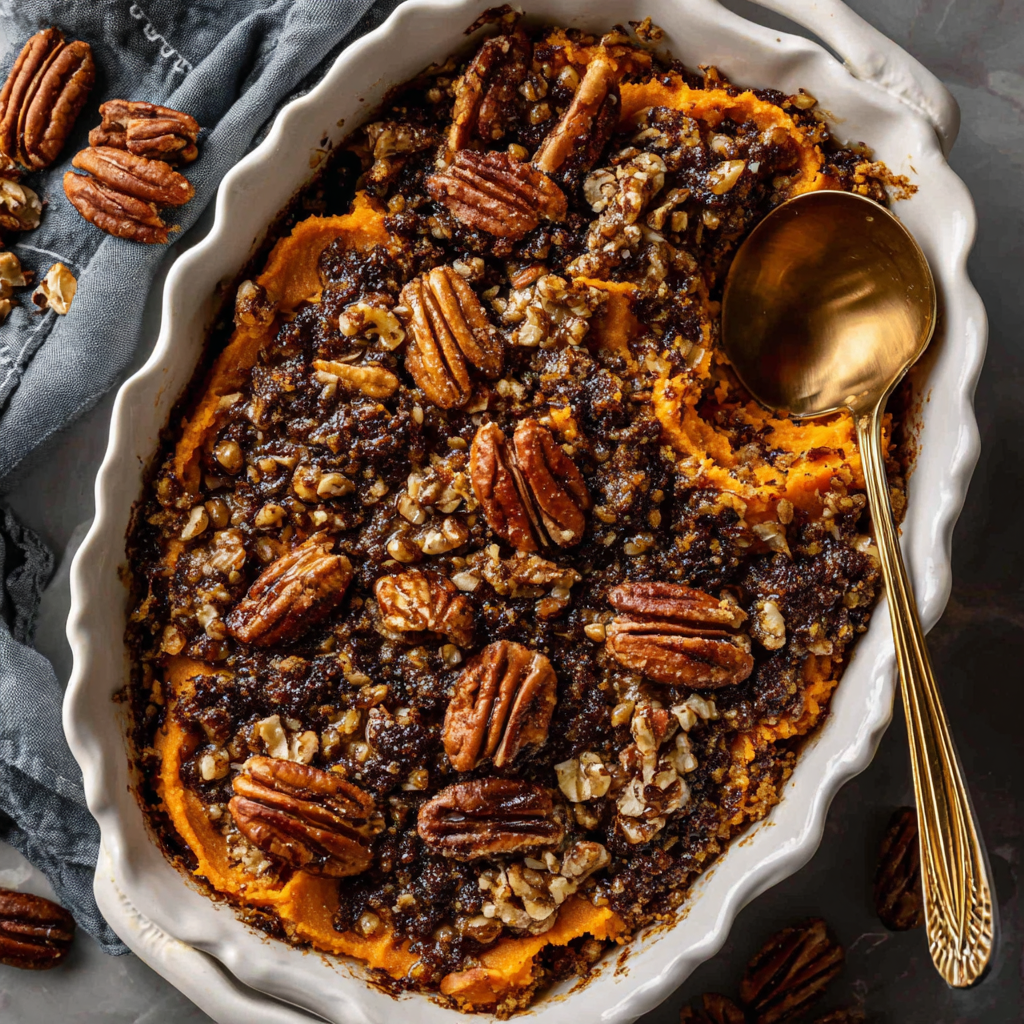
Flavorful Southern Maple Sweet Potato Casserole
Ingredients
Method
- Preheat the oven to 350°F (175°C).
- Boil sweet potatoes until tender, about 20 minutes.
- Drain the sweet potatoes and return them to the pot.
- Mash the sweet potatoes until smooth.
- Stir in maple syrup, brown sugar, melted butter, vanilla, salt, and cinnamon.
- Spread the sweet potato mixture into a greased 9x13 inch baking dish.
- In a separate bowl, mix chopped pecans and remaining brown sugar.
- Top the sweet potato mixture with the pecan mixture and mini marshmallows.
- Bake in the preheated oven for 30-40 minutes, until heated through and topping is golden.
- Let cool for a few minutes before serving.
Notes
Additional serving suggestions: pair with a crisp salad, garlic bread, or roasted seasonal vegetables for balance.
For make-ahead, prep components separately and assemble just before heating to preserve texture.
Taste and adjust with acid (lemon/vinegar) and salt right at the end to wake up flavors.