Introduction
Imagine pulling a warm, basket of fluffy dinner rolls from your oven, their golden crust glistening with a brush of melted butter. It's a comforting scene that evokes the spirit of home-cooked meals and family gatherings. Making your own rolls can transform an ordinary meal into a delightful feast.
The beauty of fluffy dinner rolls lies not only in their texture but also in their versatility. Whether served with a holiday meal, alongside soups, or just as a snack with a smear of butter, these rolls are a staple in many kitchens. Join me as we delve into the nuances of crafting the perfect fluffy dinner rolls.
Ingredients
- 4 cups all-purpose flour
All-purpose flour provides the fundamental structure for your rolls. It's versatile and helps achieve the desired texture, creating a light and airy crumb when combined with yeast and other ingredients. - 1 packet (2 1/4 tsp) active dry yeast
Yeast is crucial for the leavening process in your rolls. It ferments the sugars in the dough, producing carbon dioxide, which creates those delightful airy pockets and helps the rolls rise. - 1/4 cup granulated sugar
Sugar not only sweetens the rolls but also feeds the yeast, boosting its activity. It contributes to browning during baking, giving your rolls a beautiful golden color. - 1 teaspoon salt
Salt is essential for flavor but also strengthens the dough by tightening gluten strands. It regulates yeast fermentation, ensuring that your rolls don’t rise too quickly or sluggishly. - 1/4 cup unsalted butter, melted
Butter enriches the rolls, adding flavor and contributing to a tender crumb. It also helps to create a soft texture, making the rolls even more irresistible. - 1 cup warm milk (110°F/43°C)
Warm milk hydrates the flour and activates the yeast, making it an essential ingredient for successful fermentation. It adds a touch of richness to the rolls, enhancing their flavor. - 2 large eggs
Eggs add moisture, fat, and richness to the dough, contributing to a tender texture. They also help bind the ingredients together and promote a nice golden color when baked.
Directions & Preparation
Step 1: Activate the yeast.
In a small bowl, combine the warm milk, sugar, and yeast. Let it sit for about 5-10 minutes until frothy. This step is critical as it proves the yeast is active. If it does not froth, you may need to start over with fresh yeast, as this ensures your dinner rolls will rise properly.
Step 2: Mix the dry ingredients.
In a large bowl, whisk together the flour and salt. Mixing the dry ingredients before adding the wet ensures even distribution of the salt, which prevents any uneven rising. This forms the base for the dough, ensuring it's well balanced in flavor.
Step 3: Combine wet and dry ingredients.
Add the yeast mixture, melted butter, and beaten eggs into the dry ingredients. Stir until a shaggy dough forms. This is where the dough begins to come together. Make sure to mix well, as a well-combined dough will yield higher, fluffier rolls.
Step 4: Knead the dough.
Transfer the dough to a floured surface and knead for about 8-10 minutes until smooth and elastic. Kneading develops the gluten, which is necessary for trapping the gas produced by the yeast. A well-kneaded dough will hold its shape and rise beautifully.
Step 5: First rise.
Place the dough in a greased bowl, cover it with a clean kitchen towel, and let it rise in a warm place until doubled in size, about 1-2 hours. This rising period is essential for developing the flavor and texture, as the yeast ferments and produces gas.
Step 6: Shape the rolls.
After the dough has risen, punch it down to release the gas. Divide it into equal portions and shape them into smooth balls. Proper shaping helps ensure even baking and a pleasant appearance in the final product.
Step 7: Second rise.
Place the shaped rolls onto a greased baking pan and cover again. Let them rise until doubled in size, about 30-45 minutes. This second rise, also known as proofing, is crucial for the final fluffiness of the rolls.
Step 8: Preheat the oven.
Preheat your oven to 375°F (190°C). Ensuring your oven is at the correct temperature allows for proper baking, ensuring the rolls cook through evenly and develop a rich, golden crust.
Step 9: Bake the rolls.
Bake the rolls for 15-20 minutes or until golden brown. Checking for color is key; an undercooked roll will be dense. Bouncing back when lightly pressed is another indicator of doneness.
Step 10: Cool and serve.
Remove the rolls from the oven and brush with melted butter for added flavor and shine. Let them cool slightly before serving. This final step adds a touch of indulgence and keeps the rolls soft.

Mastering the Kneading Technique
Kneading is a fundamental step in making fluffy dinner rolls, as it develops gluten, which traps carbon dioxide released by yeast. To knead effectively, push down and away from you with the heel of your hand, then fold the dough over itself and repeat. Pay attention to texture; the dough should be smooth and elastic. Practice will refine your skills, and knowing when to stop can lead to perfectly airy rolls.
The Importance of Temperature
Maintaining the right temperature during the rise is critical for the yeast's effectiveness. A warm environment encourages yeast activity, maximizing dough expansion. If your kitchen is cool, consider placing the dough in a slightly warmed oven or near a radiator. Remember, though, excessive heat can kill the yeast, so always monitor the warmth to ensure it falls within the ideal range of 75°F to 85°F.
Brushing for Beautiful Finish
Brushing the rolls with melted butter immediately after baking not only enhances flavor but also adds a beautiful sheen to their crust. This step makes them more visually appealing, crucial for a centerpiece dish. Moreover, the butter prevents the crust from hardening, keeping the rolls tender and irresistible. Don’t skimp on this; it’s one more detail that elevates your homemade rolls.
FAQs
What if my rolls are too dense?
Density can stem from under-kneading or using too much flour. Ensure you knead enough to develop gluten and measure flour accurately, spooning it into the measuring cup rather than scooping.
Can I add herbs or garlic for flavor?
Absolutely! Incorporating fresh herbs or garlic powder into the dough can elevate your dinner rolls. Just be sure to adjust the salt content if you're adding salty ingredients.
Why did my rolls not rise properly?
If the rolls didn’t rise as expected, it could be due to inactive yeast. Always check the expiration date and ensure your liquid is warm, not hot, to avoid killing the yeast.
How can I achieve a softer crust?
For an extra soft crust, cover the rolls with a kitchen towel while they cool. You can also brush them with butter before baking, which adds moisture to the crust.
What type of pan works best for baking these rolls?
Using a light-colored metal pan is ideal as it promotes even baking. Glass or dark pans can cause the rolls to brown too quickly.
Can I make mini dinner rolls instead of regular size?
Yes, you can easily make smaller rolls. Simply divide the dough into smaller portions before shaping, and reduce the baking time to about 12-15 minutes.
Conclusion
Crafting fluffy dinner rolls is a gratifying process that combines simple ingredients and a bit of patience. The warmth of home-baked rolls can enhance any mealtime experience, making them a cherished recipe for generations.
With practice, you’ll perfect your technique and can start experimenting with flavors and variations. So, gather your ingredients, roll up your sleeves, and enjoy the joyful experience of baking at home.
Recipe Card
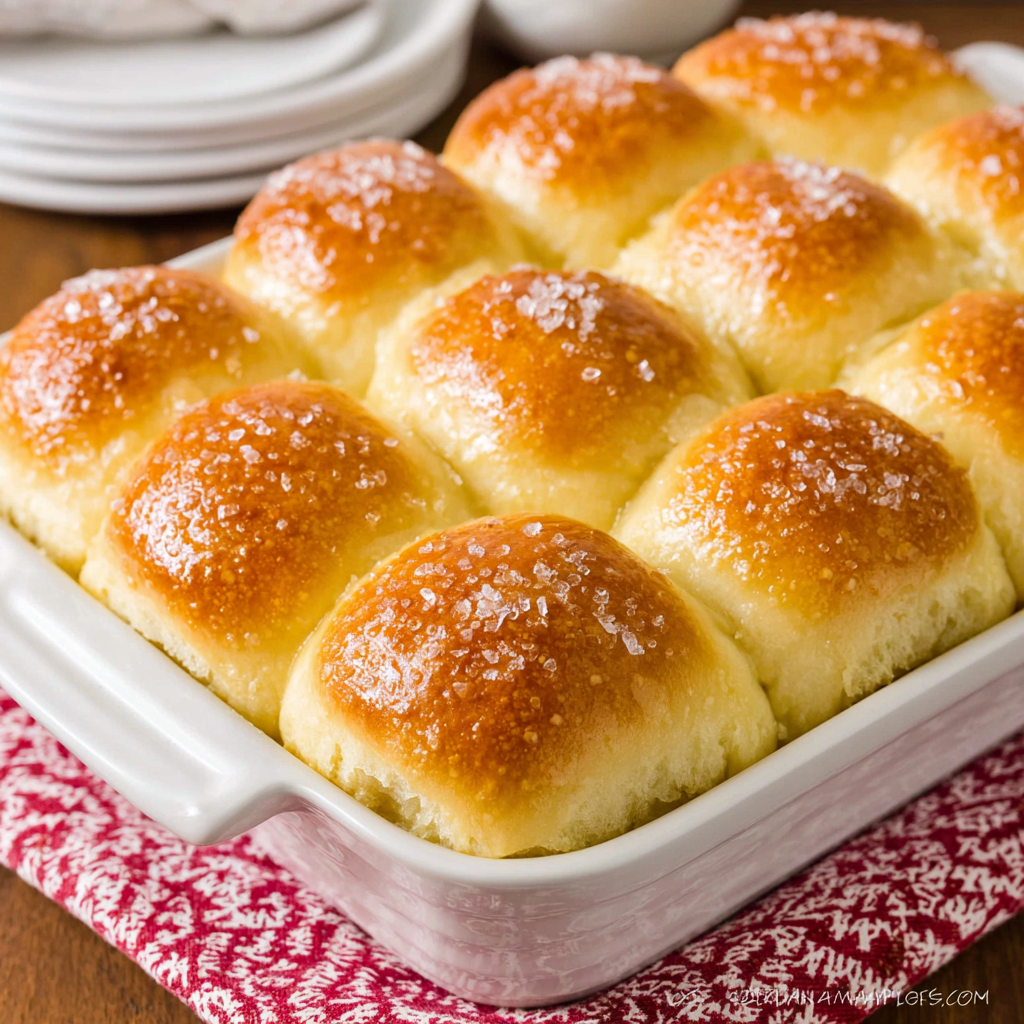
Fluffy Dinner Rolls That Will Impress Everyone
Ingredients
Method
- Activate the yeast.
- Mix the dry ingredients.
- Combine wet and dry ingredients.
- Knead the dough.
- First rise.
- Shape the rolls.
- Second rise.
- Preheat the oven.
- Bake the rolls.
- Cool and serve.
Notes
Additional serving suggestions: pair with a crisp salad, garlic bread, or roasted seasonal vegetables for balance.
For make-ahead, prep components separately and assemble just before heating to preserve texture.
Taste and adjust with acid (lemon/vinegar) and salt right at the end to wake up flavors.