Introduction
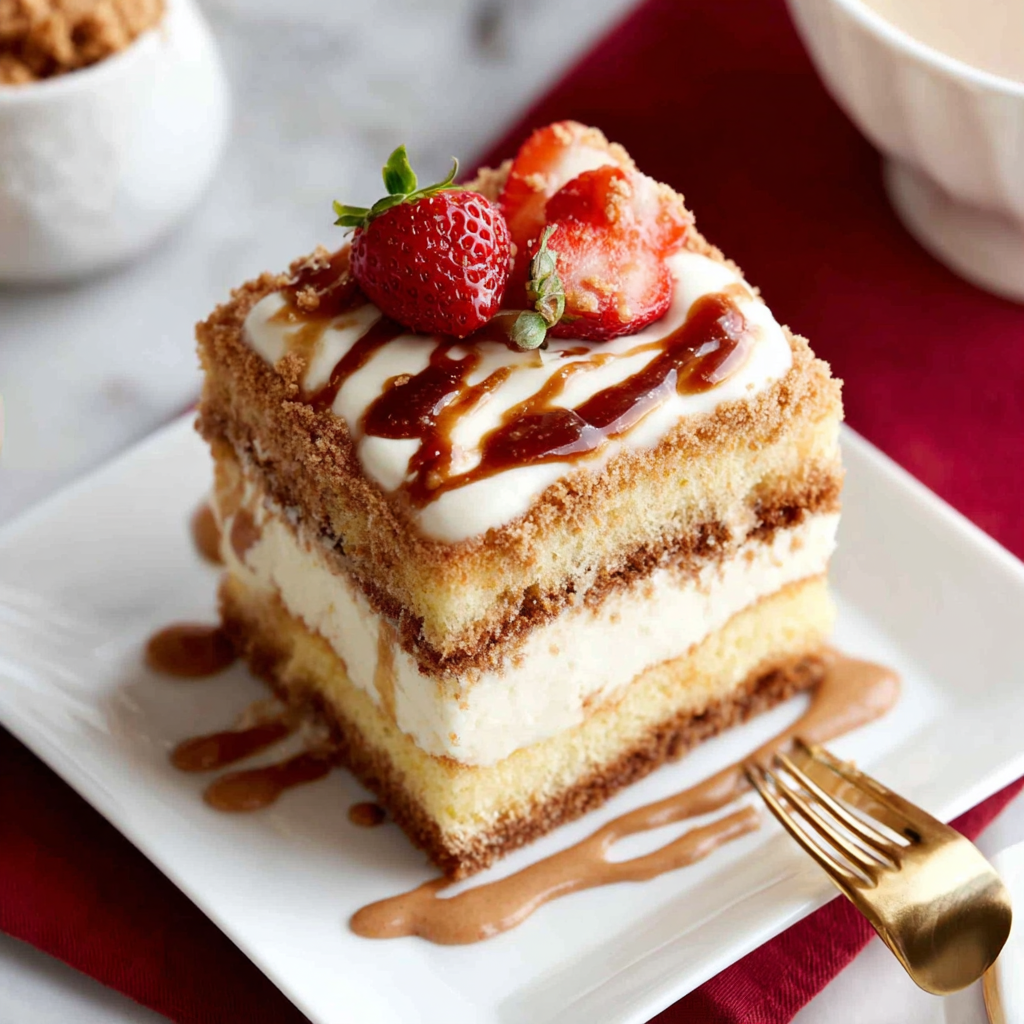
Sponge cake—a classic favorite—offers a light, airy texture that pairs wonderfully with a variety of flavors. In this recipe, we'll elevate this timeless treat by incorporating the luscious taste of Biscoff spread and a velvety cream filling, creating a dessert that's truly irresistible.
Imagine the delicate sponge cake layers, infused with the distinctive caramelized notes of Biscoff, complementing the smooth cream that enhances each bite. This combination is not just visually appealing but bursts with flavor, promising to impress both family and friends.
Ingredients
- 4 large eggs
Eggs provide structure and stability to the sponge cake while also adding moisture. The proteins in the eggs trap air during mixing, contributing to the cake's airy texture. - 120 grams of granulated sugar
Sugar sweetens the cake and aids in the leavening process by creating air pockets when beaten with eggs. The amount helps balance the flavors of the Biscoff spread. - 120 grams of all-purpose flour
Flour is the backbone of any cake, providing structure. In a sponge cake, the right amount of flour ensures that the cake has a light, fluffy texture. - 1 teaspoon of baking powder
Baking powder is essential for leavening, helping the cake rise and achieve its distinctive lightness. It's a key component for creating the ideal sponge. - 1/4 teaspoon of salt
Salt enhances all flavors, balancing the sweetness and accentuating the flavors of the Biscoff and cream. - 80 grams of unsalted butter, melted and cooled
Butter adds richness and flavor to the cake, while also enriching the texture and helping keep it moist. - 200 grams of Biscoff spread
The star ingredient, Biscoff spread, introduces a unique flavor profile, adding warmth and sweetness to the sponge while providing a creamy filling. - 250 grams of heavy cream
Heavy cream is used to create a decadent filling, adding a rich, smooth texture that complements the cake layers perfectly. - 1 tablespoon of powdered sugar (for whipping cream)
Powdered sugar adds sweetness to the whipped cream without making it grainy, supporting a smooth consistency. - Optional: Biscoff cookies for decoration
These cookies can be crumbled or used whole to garnish the cake, adding visual appeal and an extra crunch that enhances the overall texture.
Directions & Preparation
Step 1: Preheat the oven to 180°C (350°F).
Preheating the oven ensures that the cake bakes evenly from the start. An oven thermometer can be helpful for precision, as a well-preheated oven is crucial for achieving the right rise and texture.
Step 2: Prepare the cake pans: grease and line two 8-inch round cake pans with parchment paper.
Greasing and lining the pans prevents the cake from sticking, ensuring a smooth release once baked. This is particularly important for sponge cakes, which are delicate.
Step 3: In a large mixing bowl, whisk together the eggs and granulated sugar until the mixture is pale and fluffy.
Whisking the eggs and sugar introduces air, crucial for a light sponge. Use an electric mixer on high speed for about 5-7 minutes, until the mixture triples in volume.
Step 4: Sift together the flour, baking powder, and salt, then gently fold into the egg mixture.
Sifting helps prevent lumps and evenly distributes the leavening agents. Folding gently to incorporate maintains the trapped air, which keeps the batter airy.
Step 5: Drizzle in the melted butter and fold until just combined.
Incorporating the butter last helps achieve a moist texture without deflating the batter. Be careful not to overmix—this preserves the lightness of the sponge.
Step 6: Divide the batter evenly between the prepared pans and smooth the tops.
Even distribution ensures that the cakes bake uniformly, preventing one layer from being thicker than the other. Smoothing the tops helps achieve an even rise.
Step 7: Bake in the preheated oven for 25-30 minutes or until a toothpick inserted in the center comes out clean.
Proper baking time is essential. Keep an eye on the cakes towards the end of the baking time. Overbaking can lead to a dry sponge, while underbaking may result in a gooey center.
Step 8: Let the cakes cool in the pans for 10 minutes before transferring to a wire rack to cool completely.
Allowing the cakes to cool slightly makes them easier to handle and reduces the risk of breaking. Cooling on a wire rack prevents sogginess by allowing air to circulate.
Step 9: While the cakes cool, whip the heavy cream with powdered sugar until medium peaks form.
Whipping the cream to the right consistency is key; too soft, and it won't hold its shape; too stiff, and it risks being dry. Aim for a smooth, spreadable texture.
Step 10: Place one cake layer on a serving plate, spread half of the Biscoff spread on top, followed by half of the whipped cream.
Layering ensures that each bite of cake is flavorful. Spread the Biscoff evenly to ensure balanced flavor throughout the cake.
Step 11: Top with the second cake layer, then spread the remaining Biscoff on top and the rest of the whipped cream over it.
Securing layers with filling prevents the cake from collapsing, creating a sturdy structure. The finishing layer of whipped cream enhances presentation and taste.
Step 12: Optional: Crumble Biscoff cookies on top for added decoration and crunch.
This step adds a textural contrast to the soft sponge and creamy filling. A visually appealing garnish also makes the dessert more inviting.
Step 13: Slice into generous pieces and serve. Enjoy!
Serving the cake at room temperature enhances the flavors. Pair the cake with coffee or tea to complement the rich, spiced notes of Biscoff.

A Twist on Tradition: Biscoff Flavor Fusion
Incorporating Biscoff spread into sponge cake adds an unexpected twist to a classic recipe. The rich, caramelized flavor of Biscoff enhances the sweetness of the cake, providing a delightful depth that traditional sponge lacks. This fusion creates a unique dessert that stands out at any gathering, appealing to both cake lovers and cookie fans alike.
Perfecting the Sponge: Tips for Light Texture
Achieving the ideal sponge cake texture relies on a few critical techniques. Incorporating air into the egg and sugar mixture is essential for creating lift, while gentle folding of dry ingredients ensures the air remains trapped. Paying attention to baking time and temperature helps develop a cake that is not only light but also moist, making every bite a joyful experience.
Serving Suggestions: Elevate Your Dessert
To enhance your Biscoff sponge cake experience, consider pairing it with a dollop of freshly whipped cream or a scoop of vanilla ice cream. A drizzle of chocolate or butterscotch sauce can also add an extra layer of indulgence. Additionally, serving it alongside a cup of coffee or tea will not only complement the flavors but create a warm, inviting atmosphere for your guests.
FAQs
What if my sponge cake doesn’t rise properly?
If the sponge doesn’t rise, it could be due to overmixing the batter or faulty baking powder. Ensure you gently fold in the dry ingredients and check that your baking powder is fresh.
Can I adjust the amount of Biscoff in the filling?
Absolutely! You can adjust the Biscoff spread amount according to your taste preferences, but keep in mind that too much may make the cake overly sweet.
What should I do if the cake layers are uneven?
If your cake layers turn out uneven, you can level them with a serrated knife after they have cooled completely. This ensures a more polished look when assembled.
Can I use different flavored spreads instead of Biscoff?
Yes, experimenting with flavors like chocolate hazelnut spread or almond butter can offer delightful variations, though the taste will differ from the original.
How can I prevent the sponge from being too dense?
To keep your sponge light, avoid overmixing once you add the flour and ensure you whip the eggs and sugar until they are very fluffy.
What are some ideas for additional fillings?
You could incorporate fruit preserves, fresh fruits, or even a layer of chocolate ganache for a different flavor profile, enhancing the cake’s overall appeal.
Conclusion
Creating a Sponge Cake with Biscoff and Cream is an excellent way to elevate a classic dessert into something extraordinary. Each bite promises a delightful interplay of flavors and textures, making it a standout at any event.
Whether you’re celebrating a special occasion or simply treating yourself, this cake embodies comfort and indulgence. Happy baking and enjoy the delicious rewards of your efforts!
Recipe Card
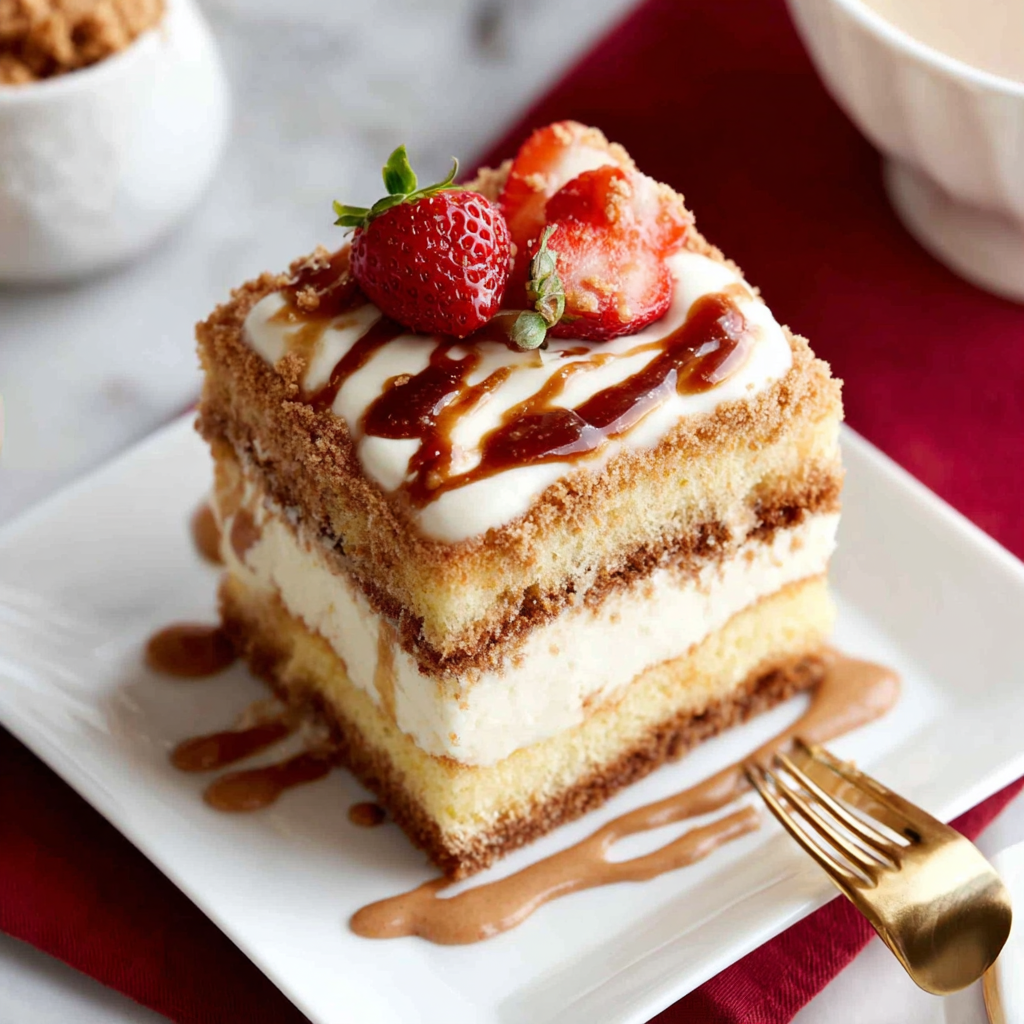
Indulge in Biscoff Cream Sponge Cake Delight
Ingredients
Method
- Preheat the oven to 180°C (350°F).
- Prepare the cake pans: grease and line two 8-inch round cake pans with parchment paper.
- In a large mixing bowl, whisk together the eggs and granulated sugar until the mixture is pale and fluffy.
- Sift together the flour, baking powder, and salt, then gently fold into the egg mixture.
- Drizzle in the melted butter and fold until just combined.
- Divide the batter evenly between the prepared pans and smooth the tops.
- Bake in the preheated oven for 25-30 minutes or until a toothpick inserted in the center comes out clean.
- Let the cakes cool in the pans for 10 minutes before transferring to a wire rack to cool completely.
- While the cakes cool, whip the heavy cream with powdered sugar until medium peaks form.
- Place one cake layer on a serving plate, spread half of the Biscoff spread on top, followed by half of the whipped cream.
- Top with the second cake layer, then spread the remaining Biscoff on top and the rest of the whipped cream over it.
- Optional: Crumble Biscoff cookies on top for added decoration and crunch.
- Slice into generous pieces and serve. Enjoy!
Notes
Additional serving suggestions: pair with a crisp salad, garlic bread, or roasted seasonal vegetables for balance.
For make-ahead, prep components separately and assemble just before heating to preserve texture.
Taste and adjust with acid (lemon/vinegar) and salt right at the end to wake up flavors.