Introduction
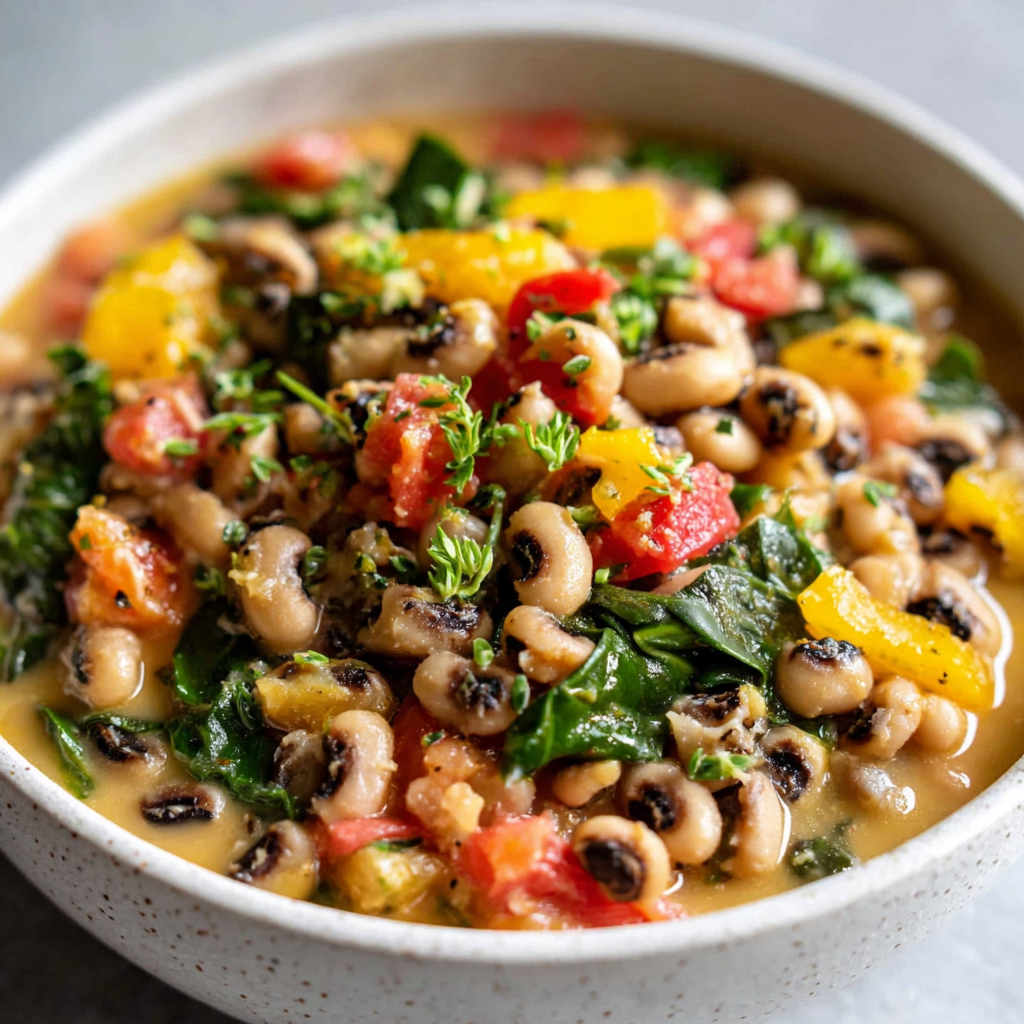
Southern Black Eyed Peas hold a special place in the culinary tradition of the American South. These humble legumes are not only a comfort food but also steeped in rich cultural history and symbolism. From New Year's Day celebrations to everyday family meals, they embody resilience and prosperity.
Cooking black-eyed peas offers a delightful way to connect with Southern roots, with their earthy flavor complementing a variety of dishes. The unique texture and taste of these peas make them perfect for both hearty stews and simple side dishes, showcasing their versatility in the kitchen.
Ingredients
- 1 cup dried black-eyed peas
Dried black-eyed peas are the star ingredient, providing a creamy texture and nutty flavor. They are also packed with protein, making them a nutritious choice for meals. - 4 cups water or low-sodium broth
Using water or broth creates the cooking liquid that enhances the flavor of the black-eyed peas. Broth adds depth, while water keeps the dish light and simple. - 1 medium onion, chopped
Onions are essential for building a flavor base, providing sweetness and aromatic qualities. Sautéing them brings out their natural sugars, enhancing the overall dish. - 2 cloves garlic, minced
Garlic adds a bold, savory note to the dish, complementing the other ingredients. Its aromatic nature releases essential oils when sautéed, enriching the dish's aroma. - 1 teaspoon smoked paprika
Smoked paprika brings a subtle smokiness and depth to the dish, enhancing the flavors and providing a hint of warmth. This spice is crucial for creating a well-rounded flavor profile. - 1 bay leaf
A bay leaf adds a layer of complexity to the dish, imparting a herbal note that deepens as the peas cook. It’s often removed before serving, but its effects linger in the taste. - Salt and pepper to taste
Seasoning with salt and pepper is vital for enhancing the natural flavors of the black-eyed peas. It's best to adjust these at the end of cooking for optimal taste. - 2 tablespoons olive oil
Olive oil is used for sautéing the onions and garlic, contributing to a rich texture and flavor. It's also a healthier fat choice that enhances the overall dish.
Directions & Preparation
Step 1: Rinse the black-eyed peas under cold water and sort through them.
This preliminary step ensures your dried peas are free from debris and small stones. Rinsing them helps to remove excess starch, which can make the dish too thick, allowing for a better final texture.
Step 2: Soak the black-eyed peas in water for at least 6 hours or overnight.
Soaking helps to rehydrate the peas and reduce cooking time. It also improves digestibility and ensures that they cook through evenly, resulting in a perfectly tender end product.
Step 3: Heat olive oil in a large pot over medium heat. Add chopped onion and sauté until translucent, about 5 minutes.
Sautéing the onion in oil releases its sugars, building a foundational flavor for your dish. This caramelization process is key to enhancing the overall taste of the black-eyed peas.
Step 4: Add minced garlic and smoked paprika, stirring for an additional minute.
Garlic and smoked paprika should be added after the onions to prevent burning. This step infuses the oil with their flavors, setting the stage for a fragrant base that permeates the dish.
Step 5: Pour in the soaked black-eyed peas along with the soaked water or broth.
Adding fluid at this stage is crucial. The peas will absorb the liquid as they cook, so ensuring you have enough is key to achieving a creamy consistency. Plus, the broth imparts additional flavor.
Step 6: Add the bay leaf and season with salt and pepper. Bring to a boil, then reduce heat to a simmer.
Incorporating the bay leaf now allows its flavors to infuse into the peas as they cook. Boiling initially ensures that the dish comes together quickly, while simmering slowly melds all the flavors.
Step 7: Cover and simmer for 45 minutes to 1 hour, or until the peas are tender.
Monitoring the cooking time is vital here; overcooking can lead to mushy peas while undercooking means they won't have the desired texture. Stir occasionally to prevent sticking.
Step 8: Once tender, taste and adjust seasoning as necessary. Remove the bay leaf before serving.
Adjusting the seasoning at this stage allows you to perfect the final flavor. Removing the bay leaf is important, as eating it can be unpleasant. Your black-eyed peas are now ready to serve.

A Cultural Boost: New Year's Tradition
In Southern traditions, black-eyed peas are often eaten on New Year's Day for luck and prosperity in the coming year. Their round shape symbolizes coins, and when paired with collard greens and cornbread, the meal becomes a celebratory feast that families look forward to year after year, serving as a reminder of the values of abundance and sustenance.
Variations and Regional Twists
Black-eyed peas can be adapted to various cooking styles, reflecting the distinct culinary influences across the South. From spicy versions with jalapeños to sweet variations with a splash of vinegar, each twist presents a unique spin, allowing for creativity in the kitchen while still honoring the peas' classic role in Southern cuisine.
Pairing Suggestions for Black-Eyed Peas
The versatility of black-eyed peas makes them an excellent side for countless dishes. They pair beautifully with cornbread, fried chicken, or even as a topping for a refreshing salad. Consider serving them over rice, allowing the creamy texture to contrast with the grains while soaking up the flavorful cooking liquid.
FAQs
What is the best cooking liquid for black-eyed peas?
Low-sodium broth enhances flavor without adding excessive sodium, making it an excellent choice. Water can be used if you prefer a lighter, simpler dish.
Can I use canned black-eyed peas for this recipe?
Yes, if you choose to use canned peas, reduce the cooking time to about 15-20 minutes, as they are already cooked and need only to be heated through.
Why did my black-eyed peas turn out too thick?
If your dish is too thick, you likely didn't add enough liquid during cooking. Gradually stir in small amounts of water or broth until you reach the desired consistency.
What if my black-eyed peas are bland?
Blandness often comes from insufficient seasoning. Taste your peas before serving and adjust the salt and pepper as necessary to elevate the flavor.
Can I scale this recipe up for a larger gathering?
Absolutely! Just keep the same proportions of ingredients while increasing quantity. Ensure your pot is large enough to accommodate the larger volume.
How do I prevent my black-eyed peas from overcooking?
Monitor them closely, especially in the last 15 minutes of cooking. Begin checking for tenderness to avoid mushiness, which can happen if they cook too long.
Conclusion
Southern Black Eyed Peas are more than just a dish; they represent tradition, comfort, and connection to heritage. With their adaptable nature, they can grace your table for any occasion, providing warmth and nourishment.
Whether enjoyed on their own or paired with other Southern specialties, these peas remind us of the rich culinary tapestry of the South. Dive into this recipe, and savor the comforting flavors while celebrating a beloved tradition.
Recipe Card
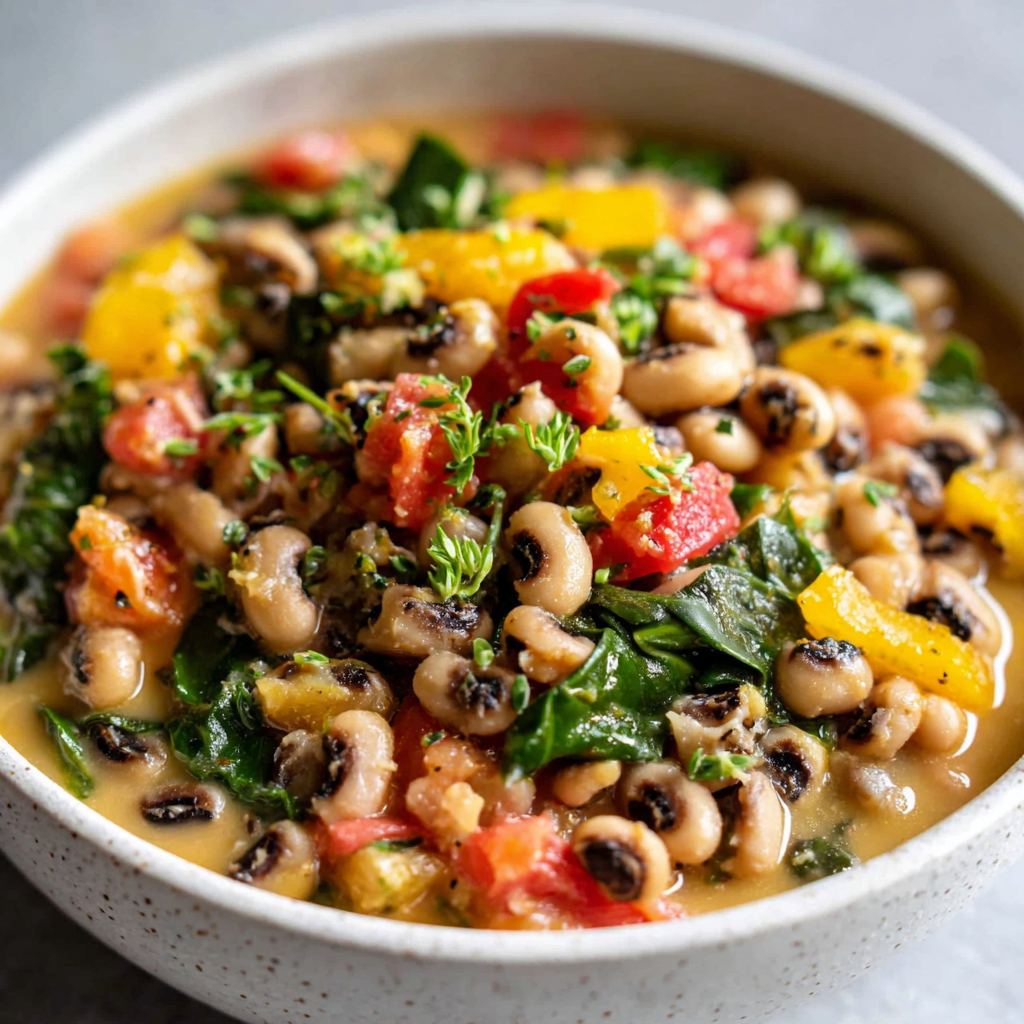
Discovering the Heart of Southern Black Eyed Peas
Ingredients
Method
- Rinse the black-eyed peas under cold water and sort through them.
- Soak the black-eyed peas in water for at least 6 hours or overnight.
- Heat olive oil in a large pot over medium heat. Add chopped onion and sauté until translucent, about 5 minutes.
- Add minced garlic and smoked paprika, stirring for an additional minute.
- Pour in the soaked black-eyed peas along with the soaked water or broth.
- Add the bay leaf and season with salt and pepper. Bring to a boil, then reduce heat to a simmer.
- Cover and simmer for 45 minutes to 1 hour, or until the peas are tender.
- Once tender, taste and adjust seasoning as necessary. Remove the bay leaf before serving.
Notes
Additional serving suggestions: pair with a crisp salad, garlic bread, or roasted seasonal vegetables for balance.
For make-ahead, prep components separately and assemble just before heating to preserve texture.
Taste and adjust with acid (lemon/vinegar) and salt right at the end to wake up flavors.