Introduction
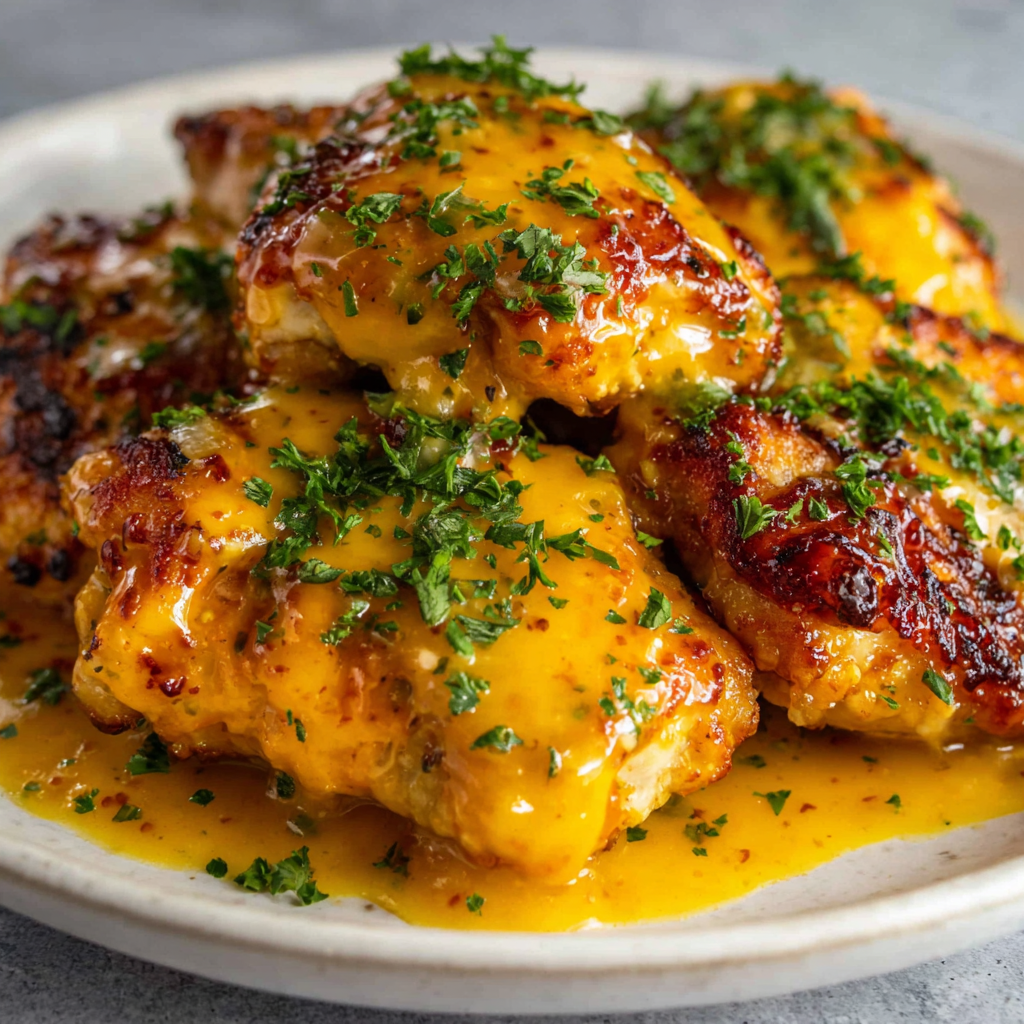
Honey mustard chicken is a wonderfully balanced dish, blending the sweetness of honey with the tangy bite of mustard. This delightful combination results in a glaze that transforms chicken into an unforgettable meal. Perfect for weeknight dinners or serving guests, this dish is quick to prepare yet feels special.
The beauty of honey mustard chicken lies in its versatility. It can be baked, grilled, or sautéed, making it suitable for any cooking method you prefer. Whether you serve it with a side of roasted vegetables or a fresh salad, this dish will shine on your table.
Ingredients
- 4 boneless, skinless chicken breasts
Chicken breasts are lean and cook quickly, making them an excellent choice for this dish. They absorb the honey mustard glaze exceptionally well, allowing for a moist and flavorful result. - 1/3 cup honey
Honey provides natural sweetness and moisture, enhancing the chicken's flavor. It caramelizes during cooking, creating a beautiful golden-brown finish while also cutting through the acidity of the mustard. - 1/4 cup Dijon mustard
Dijon mustard offers a sharp tang that balances the sweetness of honey. Its creamy texture helps create a smooth glaze, ensuring that every bite is full of flavor. - 2 tablespoons olive oil
Olive oil adds richness and prevents the chicken from drying out while cooking. It aids in the browning process, giving the dish a more appealing appearance. - 2 garlic cloves, minced
Garlic contributes a delicious aromatic quality and depth of flavor. It enhances the overall appeal of the dish and pairs beautifully with honey and mustard. - 1 teaspoon salt
Salt is crucial for enhancing the flavors of all ingredients, bringing out the natural taste of the chicken and the glaze. - 1/2 teaspoon black pepper
Black pepper adds a subtle spice that offsets the sweetness of the honey, creating a more rounded flavor profile. - 1 tablespoon fresh rosemary, chopped (optional)
Rosemary provides a fragrant herbal note that complements the sweet and tangy glaze well. This ingredient can elevate the dish's complexity if you enjoy herbal flavors.
Directions & Preparation
Step 1: Preheat the oven to 400°F (200°C).
Preheating the oven is essential for ensuring that the chicken cooks evenly and thoroughly. An adequately heated oven allows the honey mustard glaze to caramelize properly, creating a delicious crust.
Step 2: In a mixing bowl, whisk together the honey, Dijon mustard, olive oil, minced garlic, salt, and black pepper until fully combined.
Mixing these ingredients thoroughly ensures that the flavors meld. Each component plays a role; the honey and mustard provide the base, while olive oil helps emulsify the mixture, allowing it to coat the chicken evenly.
Step 3: Place the chicken breasts in a baking dish and pour the honey mustard mixture over them, ensuring they are fully coated.
Coating the chicken well with the glaze is crucial for flavor coverage. This step allows the chicken to absorb the unique blend of sweet and tangy flavors while cooking.
Step 4: If using, sprinkle chopped rosemary over the chicken for added flavor.
Adding fresh herbs like rosemary can elevate the dish, making it aromatic and giving an added herbal note that enhances the overall taste. It's an optional step, but one worth considering for herb lovers.
Step 5: Bake the chicken in the preheated oven for 25–30 minutes, or until the internal temperature reaches 165°F (75°C).
Cooking the chicken to the correct internal temperature ensures it is safe to eat while remaining juicy. Using a meat thermometer will help you avoid overcooking and drying out the chicken.
Step 6: Remove the chicken from the oven and let it rest for 5 minutes before serving.
Letting the chicken rest allows the juices to redistribute, resulting in a more tender and flavorful bite. This critical step ensures that you don’t lose moisture when you slice into the chicken.
Step 7: Serve the honey mustard chicken warm, drizzled with any remaining glaze from the baking dish.
Serving the chicken with the extra glaze enhances the flavor experience, ensuring each bite is succulent. Additionally, this can be an appealing presentation when garnished with fresh herbs.

The Magic of Marinating: Boosting Flavor
Allowing the chicken to marinate in the honey mustard mixture for at least 30 minutes, or even overnight, can significantly enhance the flavor. Marinating helps the chicken to absorb the sweet and tangy notes more deeply, resulting in a richer taste. Adjusting the marination time based on your schedule can yield varying flavors; a long soak can introduce a delightful complexity, while a quick marinate still offers a delicious meal.
Serving Suggestions: Pairing Perfection
Honey mustard chicken pairs splendidly with a variety of sides, enhancing the meal's overall appeal. Roasted vegetables, such as carrots and Brussels sprouts, provide a textural contrast, while a light salad offers a refreshing balance. Alternatively, serving the chicken over a bed of rice or with crusty bread can soak up the flavorful glaze, making every bite satisfying.
Customization: Making It Your Own
This honey mustard chicken recipe is adaptable, inviting you to personalize it according to your taste. If you prefer a spicier kick, consider adding a dash of cayenne pepper or swapping in hot honey. You can experiment with different mustards, such as whole grain for added texture, or even incorporate citrus juices for a zesty twist. Don’t hesitate to make this dish your own!
FAQs
What should I do if the glaze is too thick?
If the glaze appears too thick when mixing, you can thin it out with a splash of warm water or additional olive oil. This adjustment helps to ensure even coverage of the chicken.
What if my chicken is dry after cooking?
Dry chicken can result from overcooking. To avoid this, use a meat thermometer to check for doneness at 165°F (75°C) and take the chicken out of the oven promptly.
Can I use bone-in chicken thighs instead?
Yes, bone-in chicken thighs work well but may require a longer cooking time due to their size. Ensure that they also reach the internal temperature of 165°F (75°C) for safe consumption.
How can I add more flavor to the glaze?
Consider incorporating additional spices like smoked paprika or a dash of vinegar for acidity. Adding a bit of soy sauce can also enhance depth of flavor in the glaze.
What should I do if I run out of Dijon mustard?
In a pinch, you can substitute with yellow mustard, though it may be milder. Adjust the amount according to your taste preference or try blending mustard seeds with vinegar for a quick homemade version.
Can I make this dish spicier?
To increase the heat, add a teaspoon of hot sauce or some red pepper flakes to the glaze. Adjust according to your spice tolerance to get the perfect kick in your dish.
Conclusion
Honey mustard chicken is a simple yet flavorful dish that can elevate any meal. Its ease of preparation makes it an ideal choice for both seasoned home cooks and those who are just beginning their culinary journey. By following this recipe, you can create a dish that delights your family and impresses your guests.
Remember, the key is to adjust flavors to fit your own preferences. Enjoy experimenting with this versatile recipe, and feel free to share your variations and additions. Each version can reflect your unique touch, making honey mustard chicken a signature dish in your home.
Recipe Card
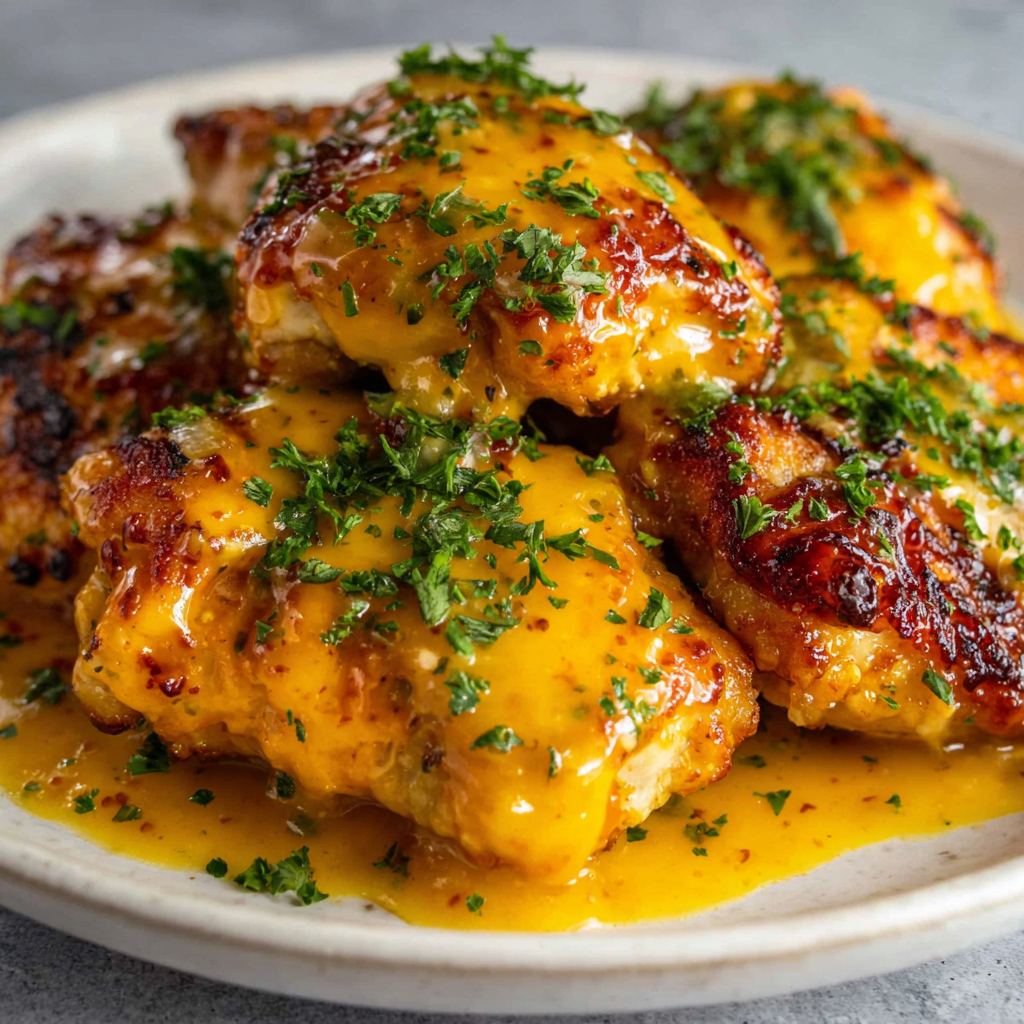
Flavorful Honey Mustard Chicken for Every Occasion
Ingredients
Method
- Preheat the oven to 400°F (200°C).
- In a mixing bowl, whisk together the honey, Dijon mustard, olive oil, minced garlic, salt, and black pepper until fully combined.
- Place the chicken breasts in a baking dish and pour the honey mustard mixture over them, ensuring they are fully coated.
- If using, sprinkle chopped rosemary over the chicken for added flavor.
- Bake the chicken in the preheated oven for 25–30 minutes, or until the internal temperature reaches 165°F (75°C).
- Remove the chicken from the oven and let it rest for 5 minutes before serving.
- Serve the honey mustard chicken warm, drizzled with any remaining glaze from the baking dish.
Notes
Additional serving suggestions: pair with a crisp salad, garlic bread, or roasted seasonal vegetables for balance.
For make-ahead, prep components separately and assemble just before heating to preserve texture.
Taste and adjust with acid (lemon/vinegar) and salt right at the end to wake up flavors.