Introduction
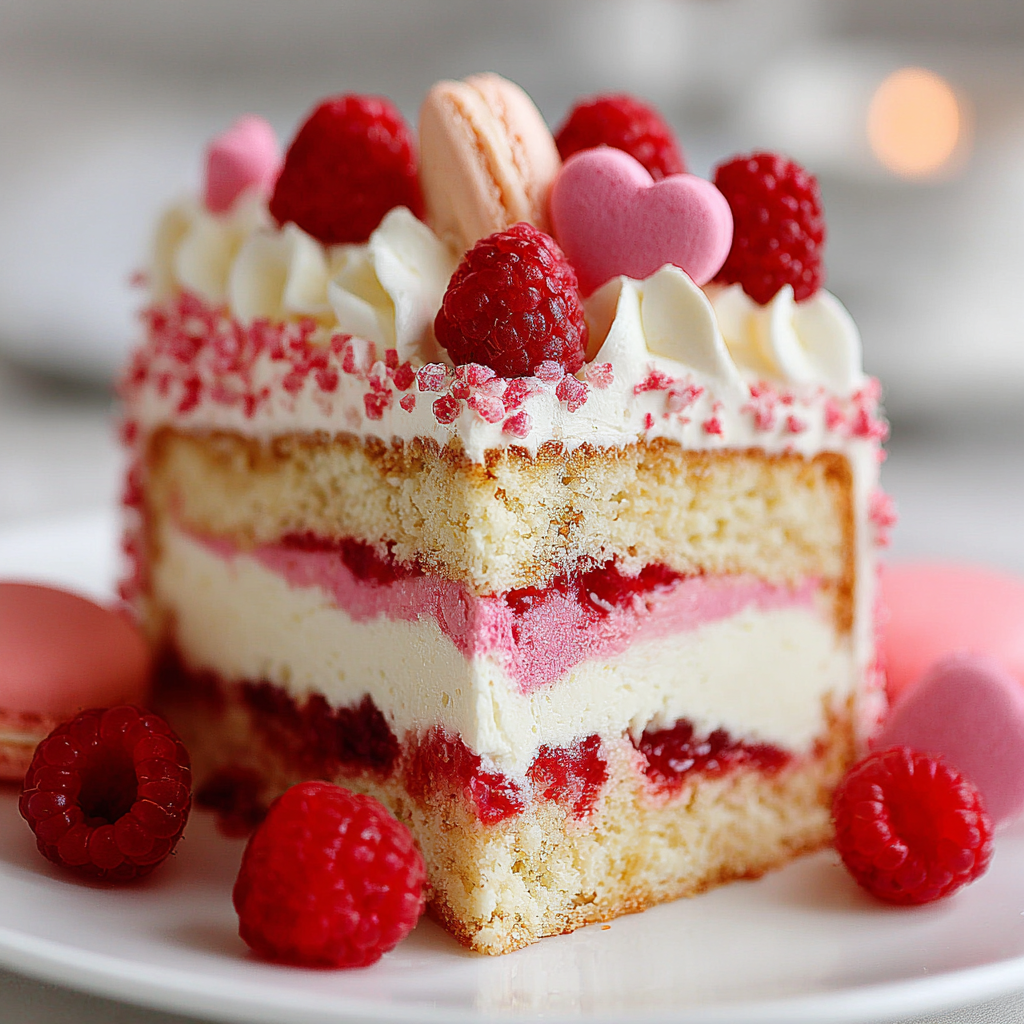
Valentine’s Day is a special occasion that often calls for indulgence and sweet treats. A homemade cake can be the perfect way to express love and appreciation, whether for a partner, friends, or family. This delightful Valentine’s Day cake combines rich flavors, vibrant colors, and a visually stunning presentation to make your festivities even sweeter.
Baking a cake from scratch allows you to infuse personal touches and flavors that make the dessert uniquely yours. You'll enjoy the process as much as the outcome, making this cake not only a treat but an experience to share with your loved ones. Let’s dive into the key ingredients and steps required to create a cake that is sure to impress.
Ingredients
- 2 cups all-purpose flour
All-purpose flour provides structure to the cake, giving it the right balance of softness and firmness. It is the backbone of the batter, contributing to the cake's overall texture. - 1 ½ cups granulated sugar
Granulated sugar not only sweetens the cake but also contributes to its moisture and softness. It helps in achieving that light, fluffy texture, essential for a delightful dessert. - ½ cup unsalted butter, softened
Unsalted butter adds richness and flavor to the cake. Its fat content aids in creating a tender crumb, making the cake moist and delicious. - 1 cup buttermilk
Buttermilk enhances the flavor of the cake while providing acidity that interacts with baking soda for a light and airy texture. It adds a subtle tang that balances the sweetness of the cake. - 2 large eggs
Eggs are crucial for binding the ingredients together, providing structure and stability. They also contribute to a richer flavor and enhance the cake’s moistness. - 2 teaspoons baking powder
Baking powder acts as a leavening agent, helping the cake rise while baking. This creates that sought-after light and fluffy texture that is essential for this delightful treat. - 1 teaspoon vanilla extract
Vanilla extract is a key flavor booster, enhancing the overall taste of the cake. It adds a warm, aromatic quality that complements the sweetness of the ingredients. - Pinch of salt
Salt accents the flavors in the cake and balances the sweetness. It is essential in highlighting the other ingredients, ensuring a more rounded taste. - 1 cup cream cheese, softened
Cream cheese provides a luscious, tangy frosting that is perfect for this cake. It complements the sweet cake beautifully while offering a velvety texture that melts in your mouth. - 4 cups powdered sugar
Powdered sugar is used to make the frosting sweet and smooth, creating that perfect creamy consistency. It dissolves easily, ensuring a velvety texture ideal for spreading. - 2 tablespoons milk
Milk helps to thin the cream cheese frosting to the desired spreading consistency. It ensures a rich, creamy texture that can be easily applied to the cake.
Directions & Preparation
Step 1: Preheat your oven to 350°F (175°C).
Preheating the oven is a crucial step in baking, as it allows the cakes to begin rising immediately. An adequately heated oven ensures even cooking and helps achieve the desired texture. If you skip this step, you may end up with unevenly baked cakes.
Step 2: Grease and flour two 9-inch round cake pans.
Preparing the cake pans prevents the batter from sticking during baking, making it easier to remove the cakes once they're baked. Greasing and flouring also helps the cakes rise evenly without any resistance, ensuring a flawless finish.
Step 3: In a large bowl, cream the softened butter and sugar together until light and fluffy.
Creaming butter and sugar incorporates air into the mixture, which is essential for creating the cake's light texture. This process should take about 2-3 minutes, during which the mixture turns pale and increases in volume, indicating it’s ready for the next ingredients.
Step 4: Add the eggs one at a time, beating well after each addition.
Adding eggs individually allows each one to emulsify properly into the batter. This step is vital for ensuring the mixture is smooth and consistent, contributing to the cake's structure and moisture.
Step 5: Stir in the vanilla extract.
Incorporating the vanilla extract now infuses the batter with a lovely flavor that enhances the overall taste of the cake. It’s a small step that can make a significant impact on the cake's aroma and enjoyment.
Step 6: In another bowl, whisk together the flour, baking powder, and salt.
Whisking the dry ingredients together ensures even distribution of the baking powder and salt throughout the flour. This step is important for achieving consistent rising and flavor in every slice of cake.
Step 7: Gradually add the dry ingredients to the butter mixture, alternating with buttermilk.
Adding the dry ingredients gradually helps prevent lumps from forming in the batter. The alternating addition of buttermilk keeps the batter moist and results in a tender cake. Mix until just combined to avoid overworking, which can lead to a dense texture.
Step 8: Pour the batter evenly into the prepared pans.
Distributing the batter evenly ensures that both cakes bake uniformly. Use a spatula to smooth the top for even rising and to prevent doming, which will make stacking and frosting easier later.
Step 9: Bake in the preheated oven for 25-30 minutes or until a toothpick comes out clean.
Checking for doneness using the toothpick test is crucial. Insert a toothpick in the center of the cake; it should come out clean when the cake is done. This ensures that the cake is fully baked without being overcooked, which can dry it out.
Step 10: Allow cakes to cool in the pans for 10 minutes, then transfer to a wire rack to cool completely.
Letting the cakes cool in the pans allows them to firm up slightly, making them easier to remove without breaking. Placing them on a wire rack helps to cool them evenly, which is vital for proper frosting application.
Step 11: Prepare the cream cheese frosting by beating cream cheese until smooth, then gradually add powdered sugar and milk until desired consistency is achieved.
Achieving the right consistency for the frosting is key—too thick and it won't spread easily, too thin and it will run off the cake. Beat the cream cheese first to ensure there are no lumps before adding the powdered sugar so the frosting remains creamy and smooth.
Step 12: Assemble the cake by placing one layer on a serving plate, spreading a layer of frosting on top, then adding the second layer.
Layering the cake correctly is essential for stability and presentation. The frosting between layers adds flavor and moisture, while the top frosting layer enhances visual appeal. Use an offset spatula to level the frosting for a professional finish.
Step 13: Frost the top and sides of the cake with the remaining cream cheese frosting.
Crumb-coating the cake before the final layer can help keep stray crumbs from showing up in your frosting. Smooth the frosting well for an attractive finish, and don’t hesitate to add decorative touches to make it look festive.
Step 14: Decorate as desired and slice to serve.
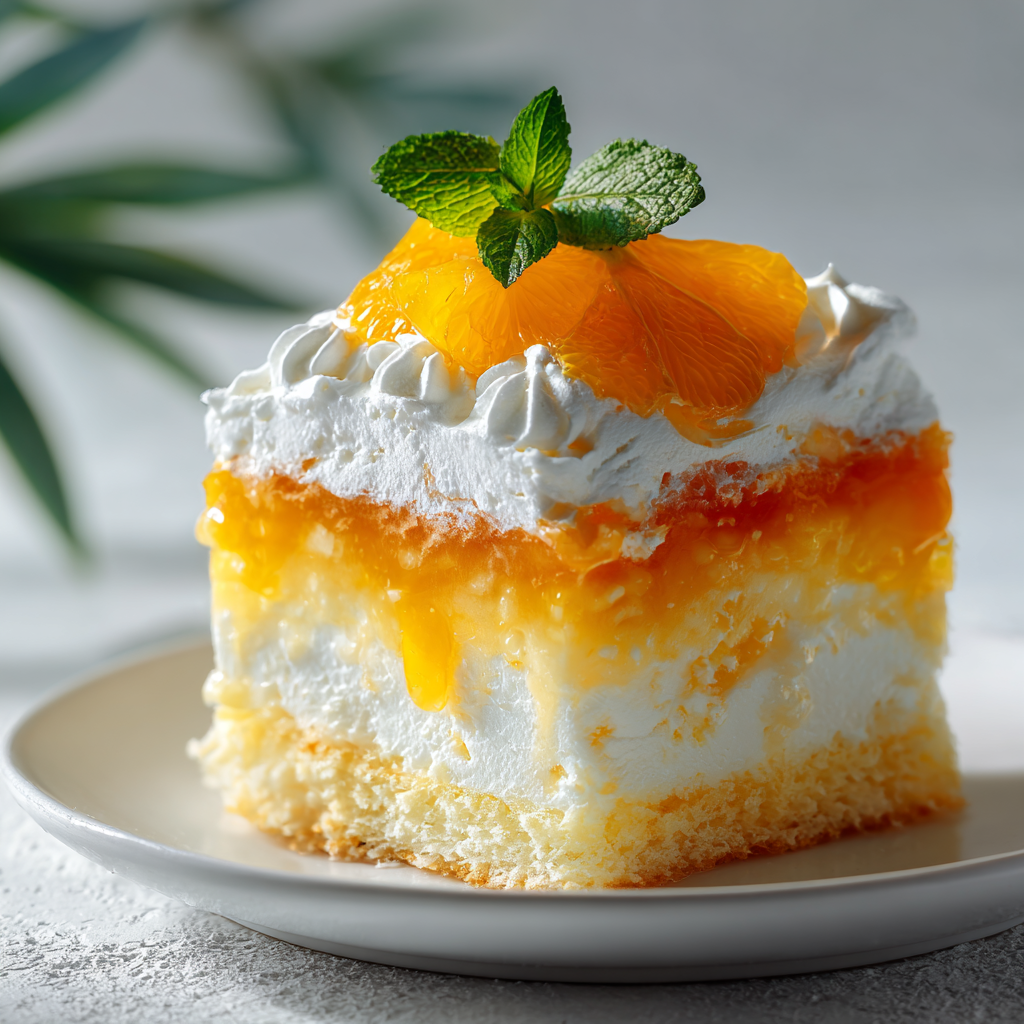
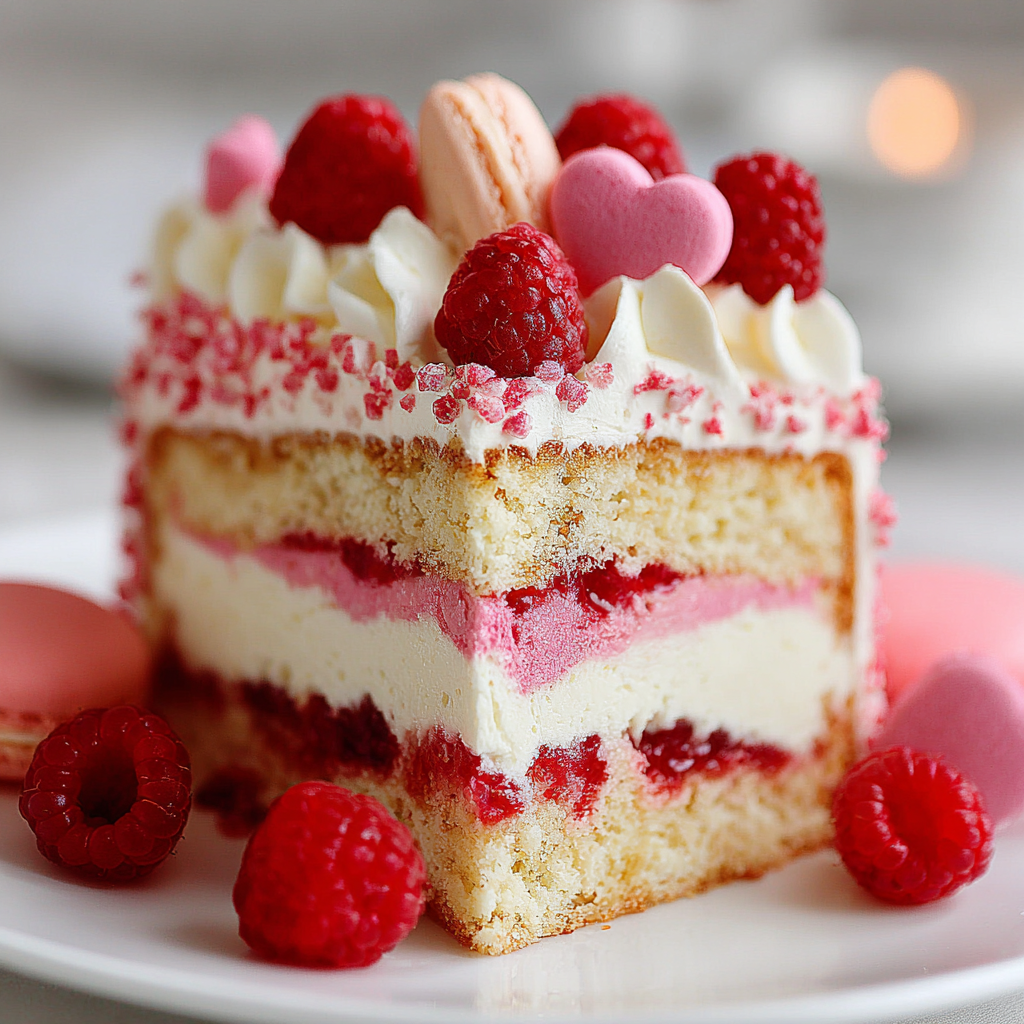
Presentation is just as important as taste, especially for a special occasion. Feel free to add fresh berries, chocolate shavings, or edible flowers for an extra touch. Serving slices with coffee or tea can create a lovely experience to accompany this delightful cake.

Incorporating Colors for a Festive Touch
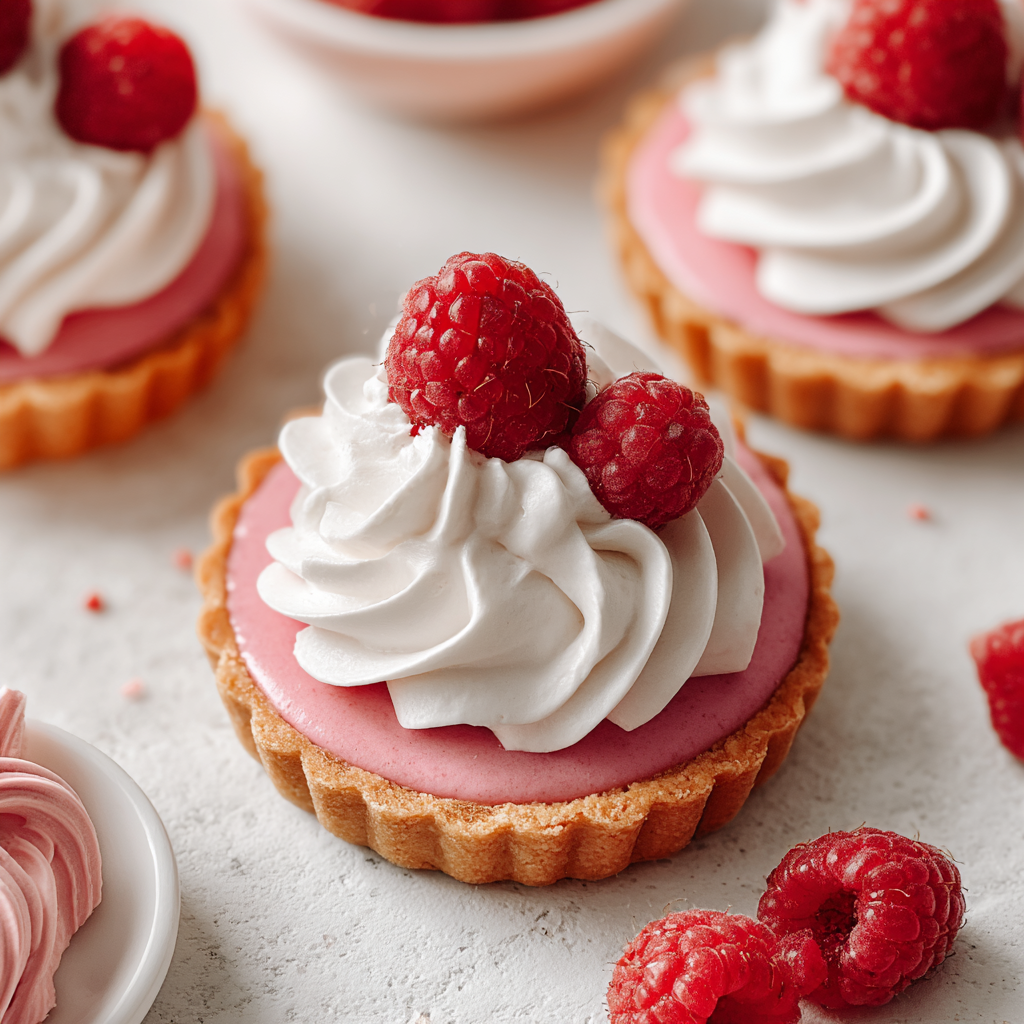
Adding colors to your cake can elevate its presentation and make it truly special for Valentine's Day. Consider using natural food dyes to tint the cream cheese frosting or incorporate layers of colored batter for a marbled effect. This visual element enhances the cake's appeal and can make it a centerpiece for your celebration.
Flavor Variations to Explore
This basic cake recipe serves as a fantastic foundation for flavor variations. For instance, adding a touch of almond extract or folding in some lemon zest can add refreshing notes. You can also experiment with flavoring the frosting by blending in raspberry puree or other extracts, providing a delightful twist.
Creative Decorating Ideas
Decorating your cake can transform it into a work of art. You might opt for a rustic look by creating swoops with the frosting or a classic finish with smooth fondant. Consider topping with glistening fruits, sprinkles, or even chocolate ganache for a sophisticated touch, making each slice not only delicious but also visually charming.
FAQs
What can I do if my cake layers are domed?
If your cake layers are domed, you can gently level them with a serrated knife after they have cooled. This ensures a more even stacking and a cleaner appearance when frosting.
Can I substitute cream cheese with a different frosting?
Yes, you can use whipped cream or buttercream as alternatives to cream cheese frosting. Each will impart a unique flavor, so consider how it complements your cake's flavor profile.
What if my batter is too thick?
If your batter turns out too thick, add a little more buttermilk, one tablespoon at a time, until you achieve a pourable consistency. This adjustment can help keep your cake moist.
Can I make this cake in advance for my celebration?
Yes, you can bake the cake layers a day in advance and store them wrapped tightly in plastic wrap at room temperature. This allows for easier assembly on the day of your celebration.
How can I enhance the flavor if it’s too bland?
If your cake tastes bland, you can add more vanilla extract or a pinch of salt to enhance the overall flavor profile. Additionally, adding a layer of flavored jam between the cake can elevate taste.
Can I make mini cakes with this recipe?
Absolutely! You can use small cake pans or muffin tins to create mini cakes. Just adjust the baking time, checking for doneness a few minutes earlier than the original recipe.
Conclusion
Creating a delightful cake for Valentine’s Day is an act of love in itself, transforming simple ingredients into a culinary masterpiece. Each step, from mixing to decorating, builds anticipation for the joyful moment when your creation is finally enjoyed.
Whether sticking to the classic flavors or adding personal twists, this cake will surely be a hit. Remember, the true essence of this creation is the thought and love you put into it—happy baking!
Recipe Card
Creating a Delightful Valentine’s Day Cake at Home
Ingredients
Method
- Preheat your oven to 350°F (175°C).
- Grease and flour two 9-inch round cake pans.
- In a large bowl, cream the softened butter and sugar together until light and fluffy.
- Add the eggs one at a time, beating well after each addition.
- Stir in the vanilla extract.
- In another bowl, whisk together the flour, baking powder, and salt.
- Gradually add the dry ingredients to the butter mixture, alternating with buttermilk.
- Pour the batter evenly into the prepared pans.
- Bake in the preheated oven for 25-30 minutes or until a toothpick comes out clean.
- Allow cakes to cool in the pans for 10 minutes, then transfer to a wire rack to cool completely.
- Prepare the cream cheese frosting by beating cream cheese until smooth, then gradually add powdered sugar and milk until desired consistency is achieved.
- Assemble the cake by placing one layer on a serving plate, spreading a layer of frosting on top, then adding the second layer.
- Frost the top and sides of the cake with the remaining cream cheese frosting.
- Decorate as desired and slice to serve.
Notes
Additional serving suggestions: pair with a crisp salad, garlic bread, or roasted seasonal vegetables for balance.
For make-ahead, prep components separately and assemble just before heating to preserve texture.
Taste and adjust with acid (lemon/vinegar) and salt right at the end to wake up flavors.