Introduction
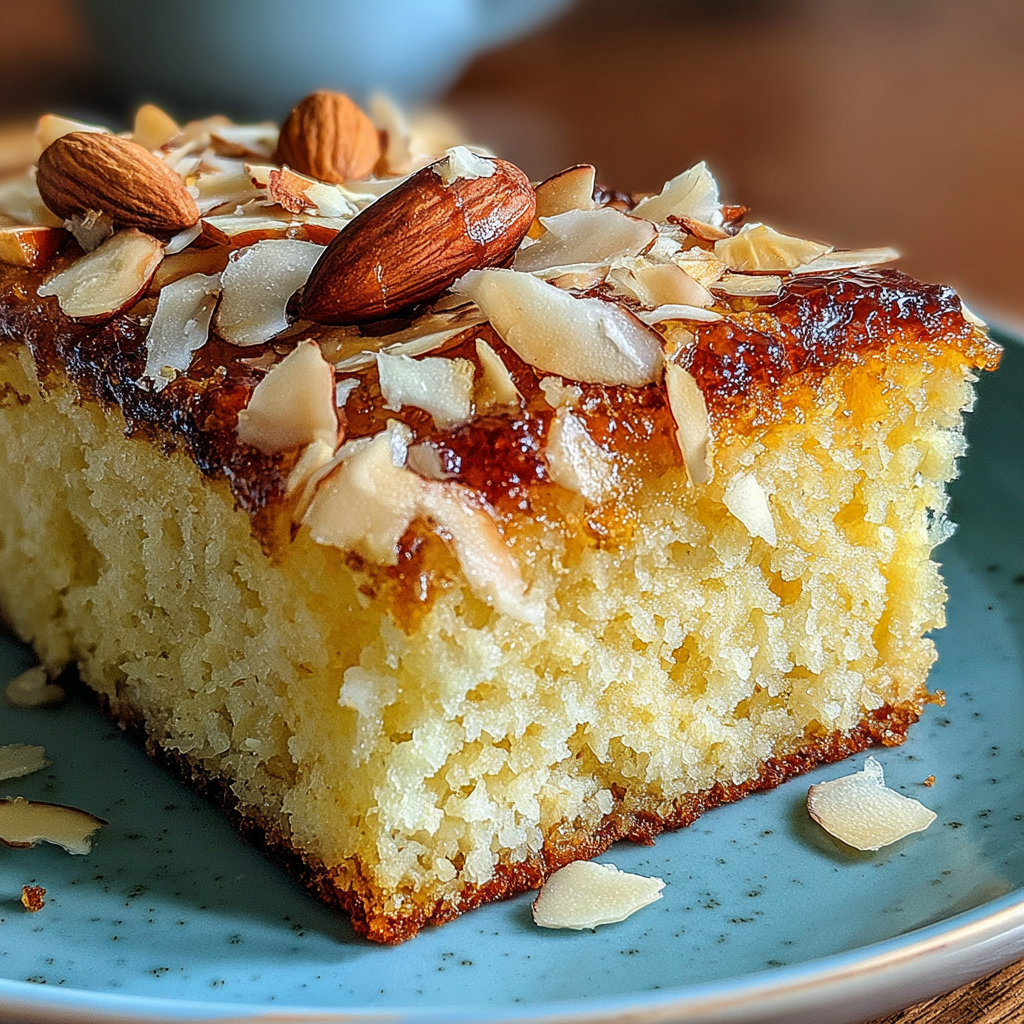
The Coconut Almond Cake is a joyful blend of flavors that celebrates the unique characteristics of both coconut and almond. With its moist crumb and delightful aroma, this cake is perfect for special occasions or simply a cozy afternoon treat.
In an era where desserts often take center stage, this cake stands out with its delicate balance of sweetness and nuttiness. The combination not only elevates its flavor but also provides a comforting texture, ensuring that each bite is both satisfying and memorable.
Ingredients
- 1 1/2 cups all-purpose flour
All-purpose flour serves as the backbone of the cake, providing structure and stability. It allows the cake to rise and maintain its shape, contributing to a fluffy texture. - 1 teaspoon baking powder
Baking powder is the leavening agent that helps the cake rise. It creates air pockets in the batter, resulting in a light and airy cake. Using the right amount ensures that your cake doesn't become dense. - 1/2 teaspoon salt
Salt enhances the overall flavor of the cake and balances the sweetness. It also plays a role in strengthening the gluten structure, which contributes to the cake’s texture. - 1/2 cup unsalted butter, softened
Butter adds richness and moisture to the cake. It plays a crucial role in flavor and also aids in creating a tender crumb, making every slice melt in your mouth. - 1 cup granulated sugar
Sugar sweetens the cake and helps with browning during baking. It also contributes to the moisture level, making the cake tender and delightful. - 3 large eggs
Eggs provide moisture and act as a binding agent, helping to meld the ingredients together. They also play a role in leavening, adding structure and stability to the cake. - 1 teaspoon vanilla extract
Vanilla extract adds depth of flavor and enhances the sweetness of the cake. It works in harmony with the coconut and almond flavors, creating a balanced taste. - 1 cup shredded coconut, sweetened or unsweetened
Coconut adds a chewy texture and rich coconut flavor. Depending on whether you use sweetened or unsweetened, it can heighten the overall sweetness or provide a more balanced profile. - 1/2 cup almond flour
Almond flour introduces a nutty flavor that complements the coconut. It contributes to the cake’s moisture and tender texture while lending a subtle richness. - 1/4 cup milk
Milk adds moisture to the batter, making the cake soft and fluffy. It helps dissolve and incorporate dry ingredients, ensuring a smooth and homogenous batter.
Directions & Preparation
Step 1: Preheat your oven to 350°F (175°C).
Preheating the oven is crucial for ensuring even baking right from the start. An adequately preheated oven creates the ideal environment for the cake to rise properly and allows for an even cooking temperature, which prevents issues like a dense or unevenly baked cake.
Step 2: Grease and flour a 9-inch round cake pan.
Greasing and flouring the cake pan prevents the cake from sticking, making it easier to remove after baking. This step is particularly important for ensuring a beautiful presentation and maintaining the integrity of the cake’s shape.
Step 3: In a mixing bowl, whisk together the flour, baking powder, and salt.
Combining dry ingredients helps ensure they are evenly distributed throughout the batter, leading to consistent texture and flavor in the cake. Proper mixing also helps activate the baking powder, ensuring the right rise during baking.
Step 4: In another bowl, cream together the softened butter and sugar until light and fluffy.
Creaming the butter and sugar incorporates air into the mixture, which is critical for achieving a light and airy cake. This emulsification process not only enhances texture but also develops the flavor by allowing the sugar to dissolve and interact with the butter.
Step 5: Add the eggs, one at a time, mixing well after each addition.
Adding eggs individually helps prevent the batter from curdling and promotes even distribution of moisture and fat. This step is essential for creating a uniform texture and ensuring a smooth batter that blends seamlessly with the dry ingredients.
Step 6: Mix in the vanilla extract and shredded coconut.
Incorporating the vanilla and coconut at this stage enhances the flavor profile of the batter. The coconut not only adds texture but also contributes to the overall moisture and sweetness of the cake, making it an integral addition to the flavor blend.
Step 7: Gradually add the flour mixture to the creamed mixture, alternating with milk.
Alternating the flour and milk helps maintain the mixture's consistency and prevents the batter from overheating. This method ensures that the dry ingredients are evenly distributed and the dough remains moist without overmixing, which could lead to a dense cake.
Step 8: Fold in the almond flour gently until just combined.
Folding in the almond flour gently helps keep the air in the batter, preserving the lightness achieved during creaming. This step is crucial for maintaining the cake's delicate texture while allowing the nutty flavor of the almond flour to enhance the overall cake.
Step 9: Pour the batter into the prepared pan and smooth the top.
Pouring the batter into the pan and smoothing the top ensures even cooking and a uniform surface. This helps the cake rise evenly and achieve a pleasant appearance once baked, making it ready for any occasion.
Step 10: Bake in the preheated oven for 30-35 minutes, or until a toothpick inserted comes out clean.
Baking the cake at the right temperature and duration is critical for achieving its ideal texture. Checking for doneness with a toothpick ensures that the cake is cooked through without being overbaked, which can lead to dryness and a loss of flavor.
Step 11: Allow the cake to cool for 10 minutes in the pan before inverting onto a wire rack.
Cooling the cake in the pan before inverting prevents it from breaking apart. This step allows it to settle and firm up slightly, making it easier to handle when transferring to a wire rack for complete cooling.
Step 12: Once completely cool, frost or serve as desired.
Allowing the cake to cool completely ensures that any frosting or toppings applied won't melt or slide off. This final step contributes to the overall presentation and enjoyment of the cake, giving you a chance to add your personal touch.

Exploring Flavor Combinations
The Coconut Almond Cake is versatile, inviting a variety of flavor combinations. Consider adding citrus zest for a refreshing twist, or incorporating dark chocolate chips to enhance the cake’s richness. With such adaptability, it's easy to make this cake uniquely yours by experimenting with different flavors and ingredients.
The Benefits of Using Almond Flour
In this recipe, almond flour not only facilitates a nutty depth but also contributes health benefits. Rich in protein and healthy fats, almond flour can lend an added nutritional boost while keeping the cake moist. Its natural sweetness ensures you can slightly reduce the amount of sugar without compromising flavor.
Decorating Your Coconut Almond Cake
Elevate the presentation of your Coconut Almond Cake with simple yet elegant decoration ideas. Sprinkling toasted coconut flakes on top adds visual appeal and an inviting crunch. Consider drizzling a light glaze or serving it with fresh fruit compote for a pop of color and an additional layer of flavor that complements the cake beautifully.
FAQs
What if my cake batter is too thick?
If your batter feels too thick, you can adjust the consistency by adding a bit more milk, a tablespoon at a time, until it reaches your desired thickness.
Can I substitute regular flour with whole wheat flour?
Yes, you can substitute regular flour with whole wheat flour, but be aware it may result in a denser texture. You might need slightly less flour or an additional liquid to achieve the right consistency.
What should I do if my cake is too dry?
If your cake turns out dry, consider reducing the baking time, or try adding a simple syrup to moisten it after baking. You can also adjust the fat content in future batches to enhance moisture.
How do I know if my cake is done baking?
To check if your cake is done, insert a toothpick into the center; it should come out clean or with a few crumbs, but no wet batter.
Can I make this cake using coconut flour instead of almond flour?
Coconut flour can be used, but it absorbs more moisture than almond flour, so you'll need to adjust the liquid ingredients accordingly, often requiring more eggs or moisture.
What can I do if my cake is too sweet?
If you find the cake too sweet, consider reducing the sugar by up to 25% in future bakes. Pairing the cake with unsweetened toppings can also balance the overall sweetness.
Conclusion
The Coconut Almond Cake stands as a celebration of flavors and textures, ideal for sharing with loved ones. Its rich, moist, and nuanced flavors make it a delightful centerpiece at any gathering.
Whether served on its own, adorned with a simple frosting, or enjoyed alongside fresh fruit, this cake is sure to please. Embrace the joy of baking and enjoy every slice of this delicious creation.
Recipe Card
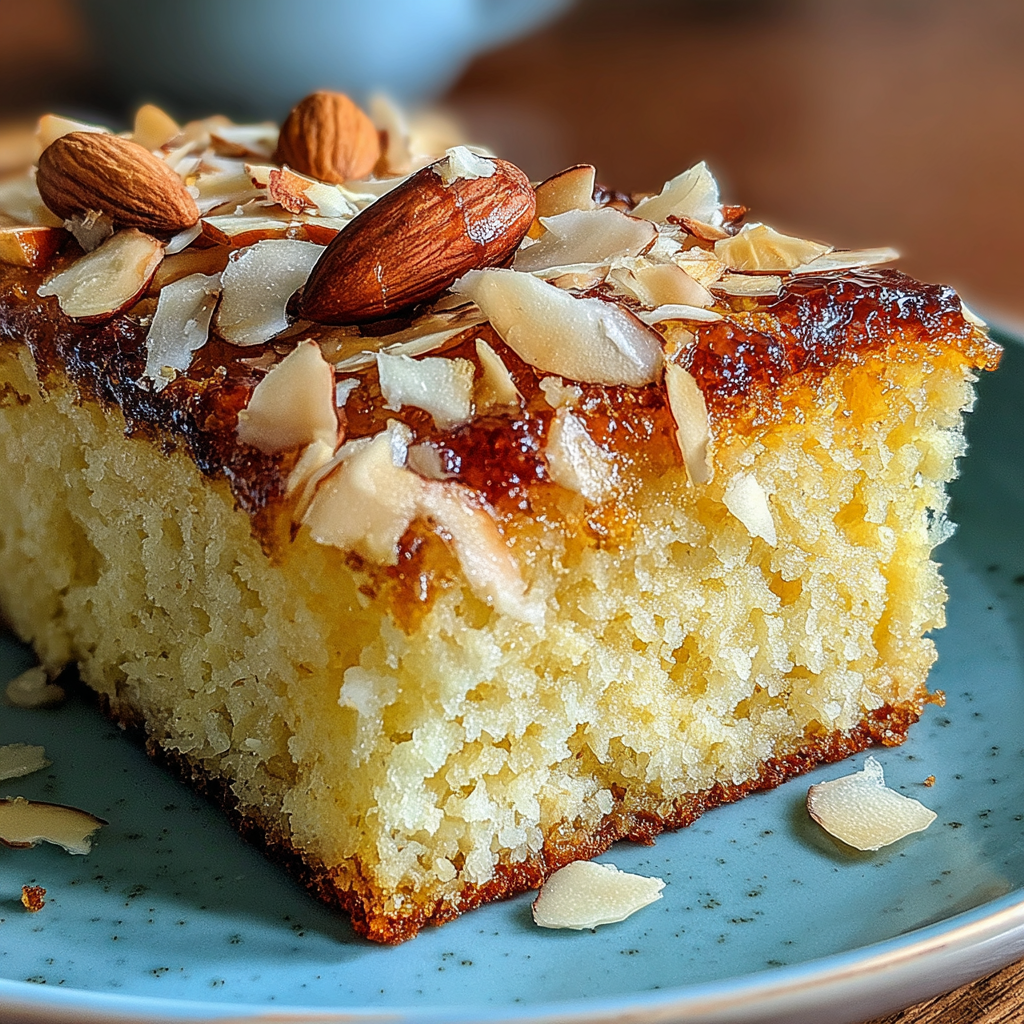
Delightful Coconut Almond Cake for Any Occasion
Ingredients
Method
- Preheat your oven to 350°F (175°C).
- Grease and flour a 9-inch round cake pan.
- In a mixing bowl, whisk together the flour, baking powder, and salt.
- In another bowl, cream together the softened butter and sugar until light and fluffy.
- Add the eggs, one at a time, mixing well after each addition.
- Mix in the vanilla extract and shredded coconut.
- Gradually add the flour mixture to the creamed mixture, alternating with milk.
- Fold in the almond flour gently until just combined.
- Pour the batter into the prepared pan and smooth the top.
- Bake in the preheated oven for 30-35 minutes, or until a toothpick inserted comes out clean.
- Allow the cake to cool for 10 minutes in the pan before inverting onto a wire rack.
- Once completely cool, frost or serve as desired.
Notes
Additional serving suggestions: pair with a crisp salad, garlic bread, or roasted seasonal vegetables for balance.
For make-ahead, prep components separately and assemble just before heating to preserve texture.
Taste and adjust with acid (lemon/vinegar) and salt right at the end to wake up flavors.