Introduction
Classic New York cheesecake holds a special place in the hearts of dessert lovers. Its creamy texture and rich flavor make it a decadent choice for any special occasion or simply as a treat at home. There’s something wonderfully satisfying about baking this timeless dessert, allowing you to create a dish that’s both elegant and comforting.
The secret to a perfect New York cheesecake lies in its simple yet high-quality ingredients. Each component contributes to the overall flavor and texture, resulting in a dessert that is indulgent without being overly complicated. Whether you're celebrating a birthday or just treating yourself, this cheesecake will leave a lasting impression.
Ingredients
- 2 cups graham cracker crumbs
The graham cracker crumbs form the crust, providing a sweet and slightly crunchy base that's essential for contrast against the creamy filling. They also help bind the crust together when mixed with butter. - 1/2 cup granulated sugar
Sugar sweetens the crust and filling, balancing the tartness of the cream cheese. It also affects the texture by ensuring a smooth blend in the batter. - 1/2 cup unsalted butter, melted
Melted butter binds the crust ingredients together, helping them to hold their shape once baked. It also adds richness and flavor to the crust, enhancing its overall taste. - 4 (8 oz) packages cream cheese, softened
Cream cheese provides the characteristic creaminess and richness of a New York cheesecake. It’s essential for achieving that dense, smooth texture that cheesecake lovers crave. - 1 cup sour cream
Sour cream adds tanginess to the cheesecake, balancing the sweetness while also contributing to its velvety texture. It helps create that signature cheesecake flavor. - 1 cup granulated sugar
Used again, sugar here sweetens the filling. It’s crucial to ensure it’s fully incorporated for a smooth batter. - 4 large eggs
Eggs contribute to the cheesecake's structure by providing stability. They also help with a creamy texture, adding richness to the filling. - 2 teaspoons vanilla extract
Vanilla enhances the overall flavor of the cheesecake, adding depth and aroma that complements the cream cheese perfectly. - 1 tablespoon lemon juice
Lemon juice brightens the flavor, adding a subtle tang that enriches the creamy filling and prevents it from being overly sweet.
Directions & Preparation
Step 1: Preheat your oven to 325°F (163°C).
Preheating the oven is crucial as it ensures that the cheesecake bakes evenly from the moment it enters. A consistent temperature helps create a smooth and creamy texture without the risk of cracks forming.
Step 2: Prepare the crust by combining graham cracker crumbs, sugar, and butter.
Mixing the crust ingredients until they're combined ensures that every bite has consistent flavor and texture. The melted butter moistens the crumbs, enabling them to clump together nicely for a solid base.
Step 3: Press the mixture firmly into the bottom of a 9-inch springform pan.
Pressing the crumb mixture firmly is critical for a stable crust. Ensuring it's compact will prevent it from crumbling away when slicing into the cheesecake. It's worth spending a little extra time here for the best results.
Step 4: In a large mixing bowl, beat the softened cream cheese until smooth.
Starting with softened cream cheese allows for an easier mix without lumps, creating that desired smooth texture. It’s important to scrape down the sides of the bowl to ensure even consistency throughout the batter.
Step 5: Add sugar and mix until combined.
Incorporating sugar at this stage allows it to dissolve into the cream cheese mixture, preventing a grainy texture in the final cheesecake. Proper mixing ensures harmony between flavors, elevating the overall taste.
Step 6: Blend in sour cream, eggs, vanilla, and lemon juice until smooth.
Adding these ingredients in this order helps to create a homogeneous liquid mixture, ensuring that egg incorporation doesn’t lead to overmixing. Smooth blending plays a pivotal role in achieving a velvety texture.
Step 7: Pour the cheesecake batter into the crust.
Pouring the batter over the crust should be done gently to avoid creating air bubbles. A well-distributed layer ensures even cooking and consistent set throughout the cheesecake.
Step 8: Bake for 50-60 minutes, or until the center is slightly jiggly.
The cheesecake is done cooking when the outer edge is set but the center remains slightly wobbly. Overbaking can result in cracks, while underbaking could lead to a gooey texture, so watch carefully.
Step 9: Turn off the oven and crack the door, letting cheesecake cool inside for one hour.
Cooling gradually in the oven prevents sudden temperature shifts that may cause the cheesecake to crack. This method allows flavors to meld while reducing the risk of a rubbery texture.
Step 10: Chill the cheesecake in the refrigerator for at least 4 hours, preferably overnight.
Chilling the cheesecake helps it set properly, allowing flavors to meld and firm up the texture. Patience is key here; overnight chilling yields the best results for flavor and texture.
Step 11: Remove from the springform pan and serve.
When removing the cheesecake from the springform pan, run a knife around the edges to ensure a clean release. A gentle touch will keep the lovely surface intact, ready for serving after all that careful preparation.

The Importance of Cooling Gradually
Cooling your cheesecake gradually in the oven is an essential step often overlooked. It not only helps prevent cracks on the surface but also allows the cheesecake to retain its smooth, silky texture. Rapid temperature changes may lead to a rubbery texture, making gradual cooling a vital technique for achieving that perfect creamy consistency.
Quality Ingredients Make a Difference
Using high-quality ingredients in your cheesecake cannot be overstated. Fresh cream cheese and pure vanilla extract have a definitive impact on flavor and texture. Opting for the best you can find transforms your cheesecake from good to extraordinary, making every bite luxurious and satisfying.
Serving Suggestions for the Perfect Slice
When serving your classic New York cheesecake, consider pairing it with various toppings to elevate the dessert. Fresh fruit, berry coulis, or a drizzle of chocolate sauce can provide a delightful contrast, enhancing both flavor and visual appeal. Additionally, a dollop of whipped cream adds a lightness that perfectly complements the richness of the cheesecake.
FAQs
What if my cheesecake cracks while baking?
If your cheesecake cracks, it may be due to overbaking or rapid temperature changes. To avoid this, ensure you bake at the right temperature and utilize gradual cooling.
Why does my cheesecake feel too dense?
A dense cheesecake may result from overmixing the batter or using too many eggs. Make sure to mix until just combined and avoid incorporating too much air.
Can I substitute sour cream with Greek yogurt?
Yes, Greek yogurt can be used as a substitute for sour cream, adding similar tanginess and creaminess to the cheesecake.
What should I do if my batter seems too thick?
If your cheesecake batter seems overly thick, try mixing in a tablespoon of milk or cream to loosen it slightly before pouring it into the crust.
What if my cheesecake doesn't set properly?
If your cheesecake hasn’t set after chilling, it likely needs a bit more time. Ensure you chill it for at least four hours or overnight for optimal firmness.
How can I adjust the sweetness if it tastes too sweet?
If your cheesecake tastes too sweet, consider adding a touch of lemon juice while mixing. This will help balance the flavors without overshadowing the creaminess.
Conclusion
Baking a classic New York cheesecake fulfills more than just a craving; it's a rewarding process that combines technique with delicious results. Every slice reflects your effort, making it a perfect dish for impressing guests or celebrating an occasion.
With a bit of patience and attention to detail, anyone can master this iconic dessert. So, gather your ingredients, channel your inner baker, and indulge in a slice of this delicious cheesecake that’s sure to become a beloved favorite.
Recipe Card
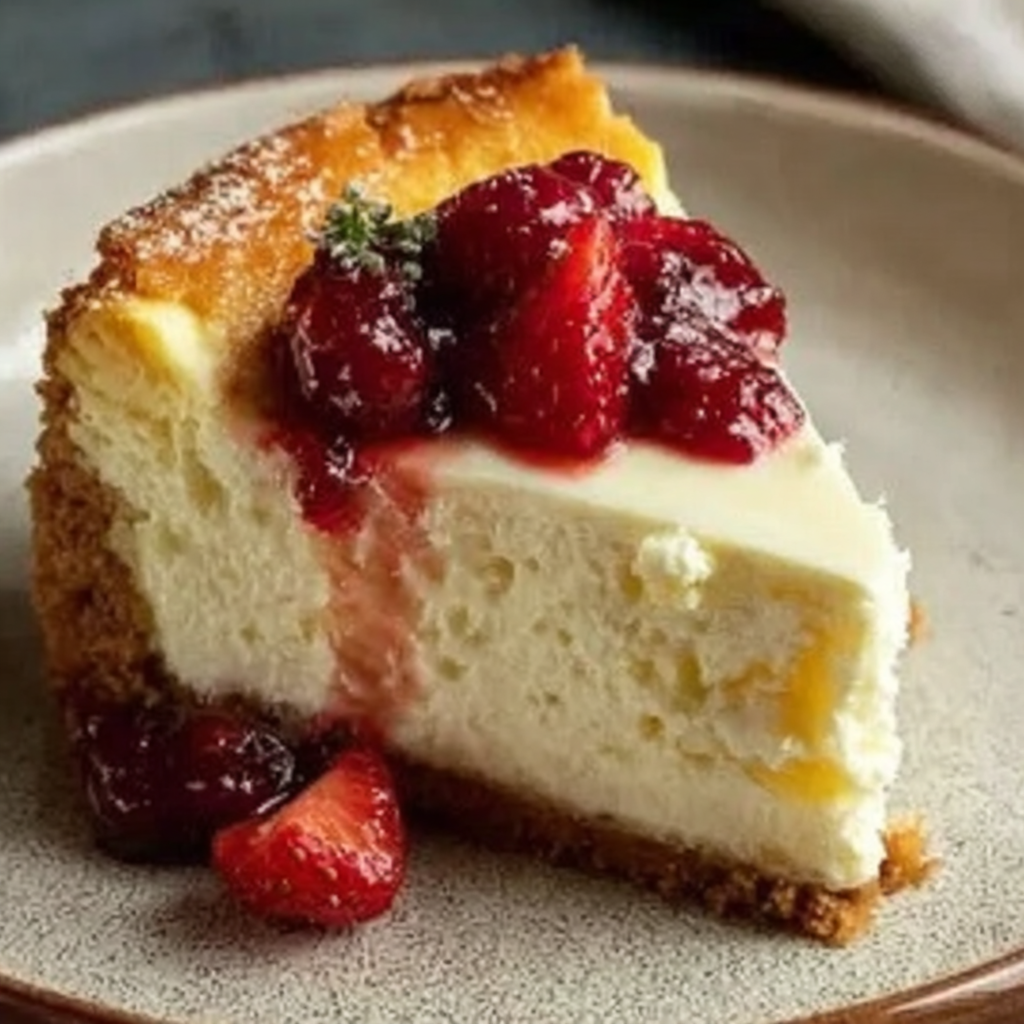
Classic New York Cheesecake That Delights Every Bite
Ingredients
Method
- Preheat your oven to 325°F (163°C).
- Prepare the crust by combining graham cracker crumbs, sugar, and butter.
- Press the mixture firmly into the bottom of a 9-inch springform pan.
- In a large mixing bowl, beat the softened cream cheese until smooth.
- Add sugar and mix until combined.
- Blend in sour cream, eggs, vanilla, and lemon juice until smooth.
- Pour the cheesecake batter into the crust.
- Bake for 50-60 minutes, or until the center is slightly jiggly.
- Turn off the oven and crack the door, letting cheesecake cool inside for one hour.
- Chill the cheesecake in the refrigerator for at least 4 hours, preferably overnight.
- Remove from the springform pan and serve.
Notes
Additional serving suggestions: pair with a crisp salad, garlic bread, or roasted seasonal vegetables for balance.
For make-ahead, prep components separately and assemble just before heating to preserve texture.
Taste and adjust with acid (lemon/vinegar) and salt right at the end to wake up flavors.