Introduction
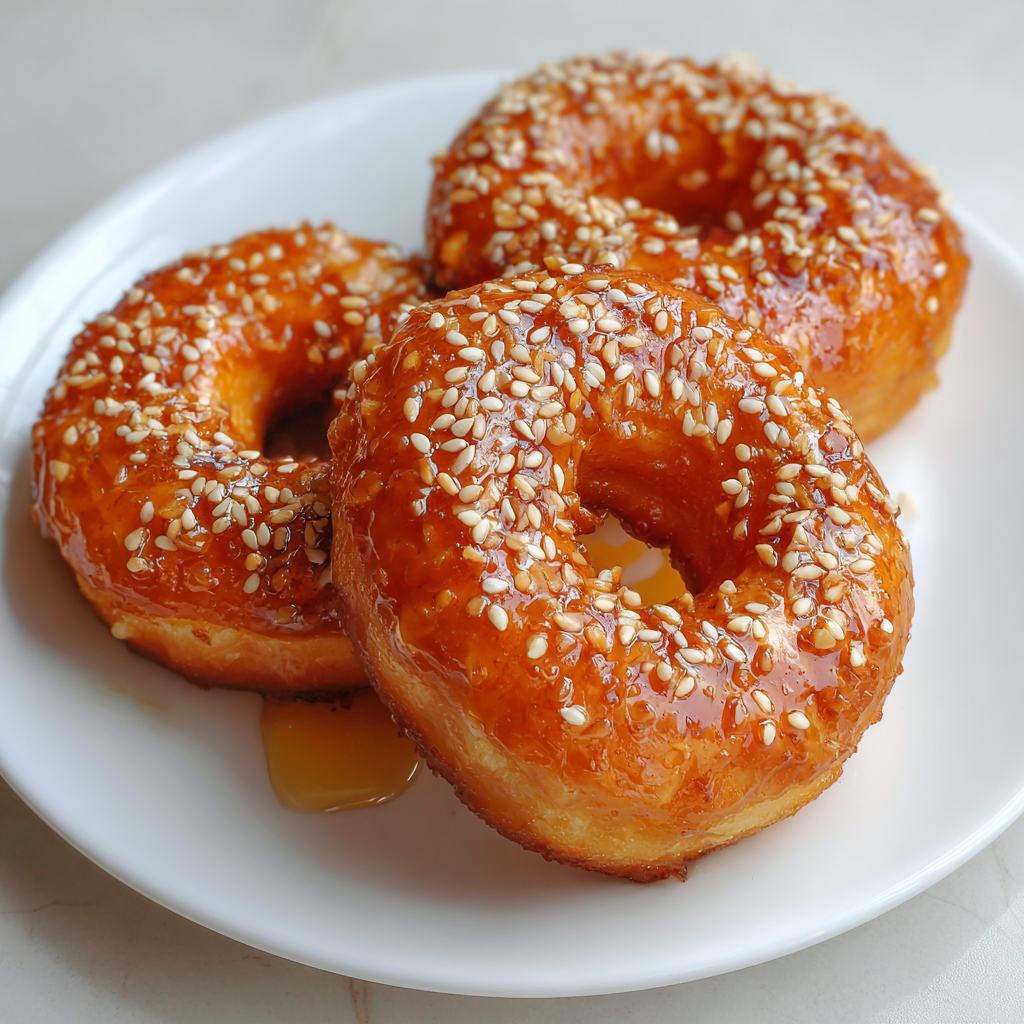
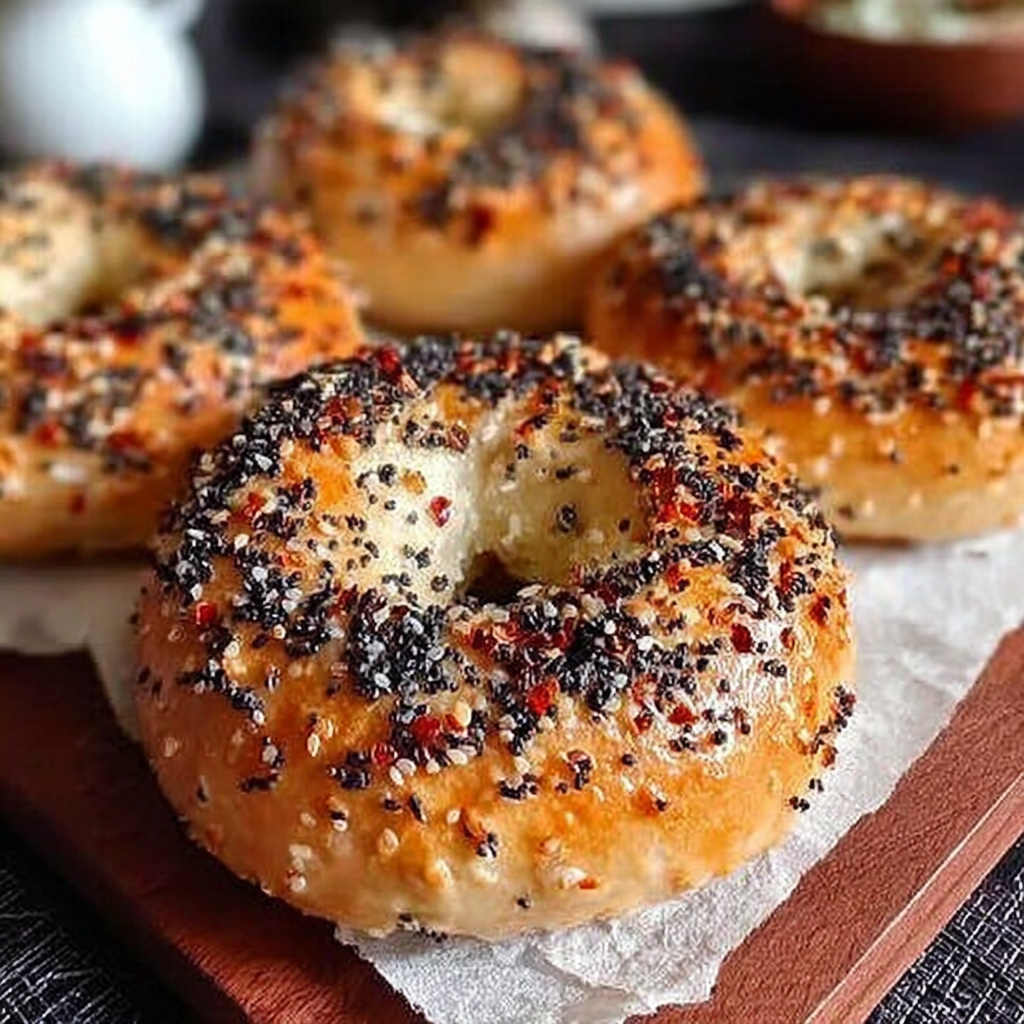
New York style bagels are a beloved staple, renowned for their chewy texture and shiny crust. Originating in the New York City area, these bagels are made with high-protein flour and are famously boiled before baking, which creates their distinct character.
For home cooks looking to replicate this iconic treat, the process involves a few key techniques that ensure each bagel has that classic crust and density. With a little time and patience, you can bring the taste of New York right to your kitchen.
From the careful selection of ingredients to the boiling technique, making New York style bagels is a rewarding culinary adventure. Let’s dive into the essential components and steps to create these delicious bagels.
Ingredients
- 4 cups bread flour
Bread flour is vital for bagels due to its higher protein content, which provides the strength and chewiness characteristic of New York style bagels. - 1 tablespoon salt
Salt enhances the flavor of the bagels and strengthens the gluten network during kneading, contributing to a better texture. - 1 tablespoon sugar
Sugar is essential not only for flavor but also helps to feed the yeast, aiding in fermentation and fermentation speed. - 1 packet (2 1/4 teaspoons) active dry yeast
Yeast is the leavening agent that causes the bagels to rise, giving them a light interior while the boiling process creates that noted chewy crust. - 1 1/2 cups warm water (about 110°F)
Warm water activates the dry yeast, helping it dissolve and develop, which is crucial for the rising process. - Optional toppings (such as sesame seeds or everything seasoning)
Toppings add flavor and texture to the bagels. They can be customized according to your preference, enhancing the overall experience.
Directions & Preparation
Step 1: Activate the yeast
In a small bowl, mix warm water with sugar and yeast. Let it sit for about 5-10 minutes until foamy. This step ensures that the yeast is alive and ready to ferment, which is crucial for the bagels' rise.
Step 2: Mix dry ingredients
In a large mixing bowl, combine bread flour and salt. This step lays the groundwork for the dough, balancing flavor and structure from the beginning.
Step 3: Combine wet and dry ingredients
Add the yeast mixture to the flour mixture and stir until a shaggy dough forms. This is where the textures start to come together, setting up your elastic dough.
Step 4: Knead the dough
Turn the dough onto a floured surface and knead for about 10 minutes until smooth and elastic. Developing gluten through kneading is essential for achieving that chewy texture.
Step 5: First rise
Place the kneaded dough in a lightly oiled bowl, cover it, and let it rise for 1-2 hours until doubled in size. This fermentation process allows the flavors to deepen while the dough becomes airy.
Step 6: Shape the bagels
Once risen, punch down the dough and divide it into equal pieces. Roll each piece into a ball and create a hole in the center. This step gives the bagels their shape, influencing both texture and baking.
Step 7: Second rise
Cover the shaped bagels and let them rest for about 30 minutes. This resting period is crucial for relaxations, allowing the bagels to maintain their structure.
Step 8: Boil the bagels
Bring a large pot of water to a boil and add a bit of sugar. Boil the bagels for about 1 minute on each side. Boiling bursts the yeast’s gaseous bubbles, forming a crusty exterior.
Step 9: Bake the bagels
Preheat the oven and place boiled bagels on a baking sheet. Bake at a high temperature until golden brown. This final bake ensures the inside is soft while the outside achieves a perfect crunch.
Step 10: Cool and enjoy
Allow the bagels to cool on a wire rack before serving. This cooling phase helps to set the interior crumb, enhancing the ultimate bagel experience.

Understanding the Boiling Process
The boiling step is integral to the unique texture of New York style bagels. Boiling gels the outer layer of dough, creating a waterproof barrier that helps develop a chewy crust during baking. The addition of sugar to the boiling water also enhances the crust's caramelization, contributing essential flavor.
Crafting the Perfect Bagel Shape
Shaping bagels correctly is essential not only for aesthetics but also for achieving an even bake. Rolling each piece into a ball and forming a hole should be done gently to avoid deflating the dough. This unique shape increases surface area for a crispy crust while keeping the inside delightfully chewy.
Exploring Bagel Toppings
The surface of a bagel offers a canvas for flavors, inviting a range of toppings to enhance your creation. From traditional sesame and poppy seeds to adventurous everything seasoning or even a sprinkling of sea salt, customizing your bagel allows for personal expression and adds a complementary textural element.
FAQs
Why did my bagels come out too dense?
Dense bagels are often a result of over-kneading or not allowing the dough enough time to rise. Ensure the dough is kneaded only until smooth and set a timer for the rise.
Can I use all-purpose flour instead of bread flour?
While all-purpose flour can be used, the bagels may not achieve the same chewiness as those made with high-protein bread flour.
What should I do if my bagels won’t rise?
Make sure your yeast is fresh and activated properly. If the water was too hot, it could kill the yeast, preventing rise.
How can I enhance the flavor of my bagels?
Incorporating malt syrup in the dough can deepen the flavor, contributing to that classic bagel taste.
What causes the bagels to be too thick?
The thickness can occur if they are boiled for too long or if too much flour is added during shaping. Maintain a balance for an ideal texture.
Why do my bagels have a flat surface?
Flat surfaces may suggest insufficient shaping or not allowing enough time for bagels to rest before boiling, which leads to loss of structure.
Can I experiment with different toppings?
Absolutely! Feel free to get creative with toppings; however, ensure they are added immediately after boiling for better adherence.
Conclusion
Making New York style bagels at home is a labor of love that pays off with each bite. The combination of chewy texture and delicious flavor is well worth the effort.
As you perfect your technique, remember that practice leads to improvement. With time, you'll create bagels that rival those from your favorite deli.
Recipe Card
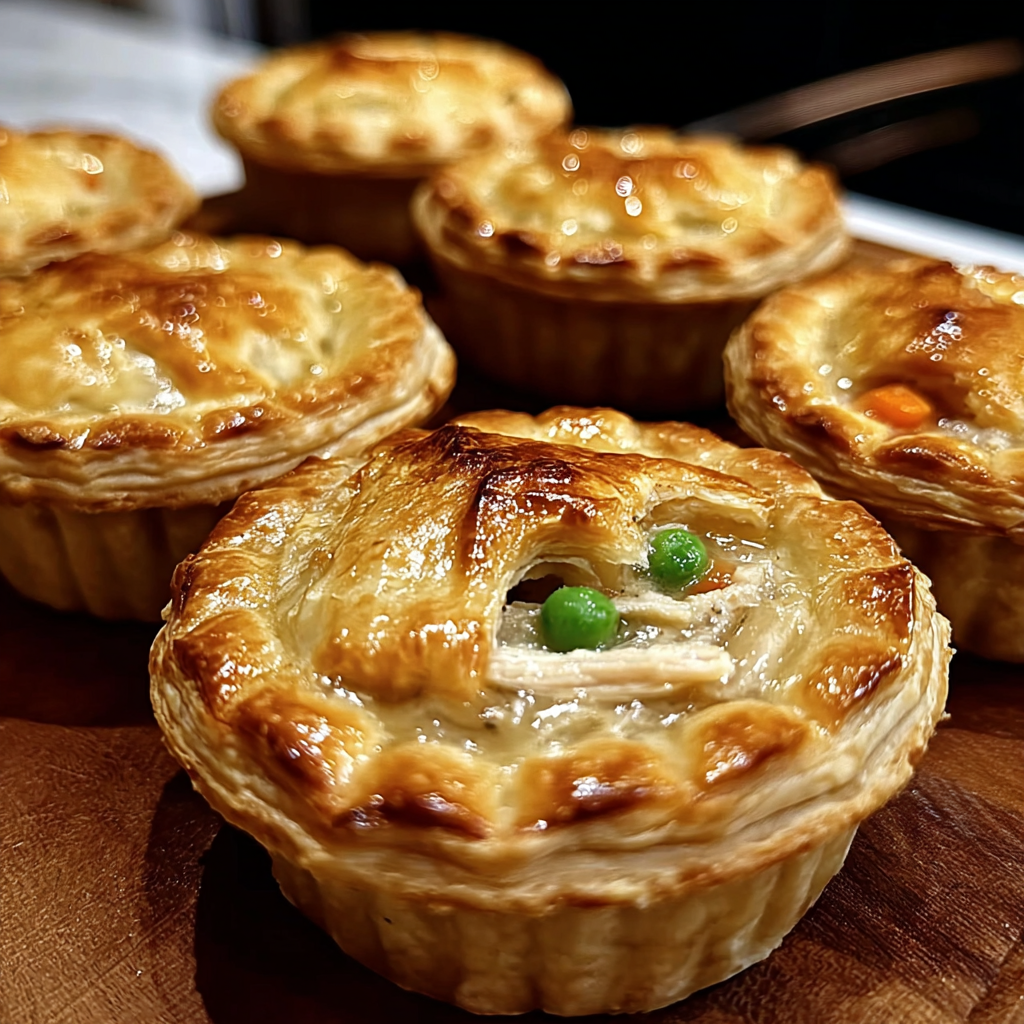
Delicious Mini Chicken Pot Pies for Cozy Gatherings
Ingredients
Method
- Preheat the oven to 425°F (220°C).
- In a skillet, melt the butter over medium heat and sauté the onions until translucent.
- Stir in flour and cook for 1-2 minutes to eliminate raw taste.
- Gradually whisk in the chicken broth and milk, stirring continuously until thickened.
- Stir in the cooked chicken, frozen vegetables, thyme, salt, and pepper.
- Roll out the pie crusts and cut into circles to fit a muffin tin.
- Press the rounds into the muffin tin, fill with chicken filling, and top with more crust.
- Brush with beaten egg for a glossy finish before baking.
- Bake for 20-25 minutes until crust is golden brown.
- Let cool slightly before serving.
Notes
Additional serving suggestions: pair with a crisp salad, garlic bread, or roasted seasonal vegetables for balance.
For make-ahead, prep components separately and assemble just before heating to preserve texture.
Taste and adjust with acid (lemon/vinegar) and salt right at the end to wake up flavors.