Introduction
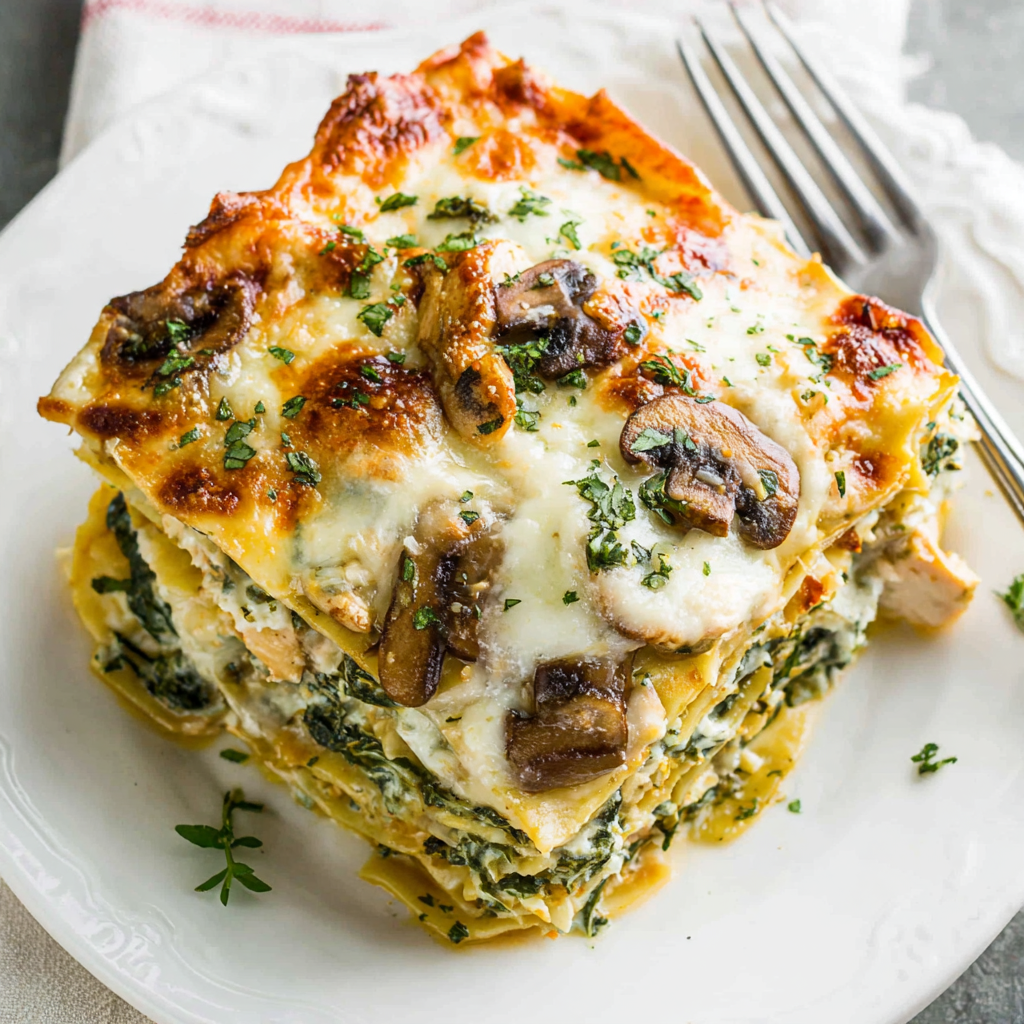
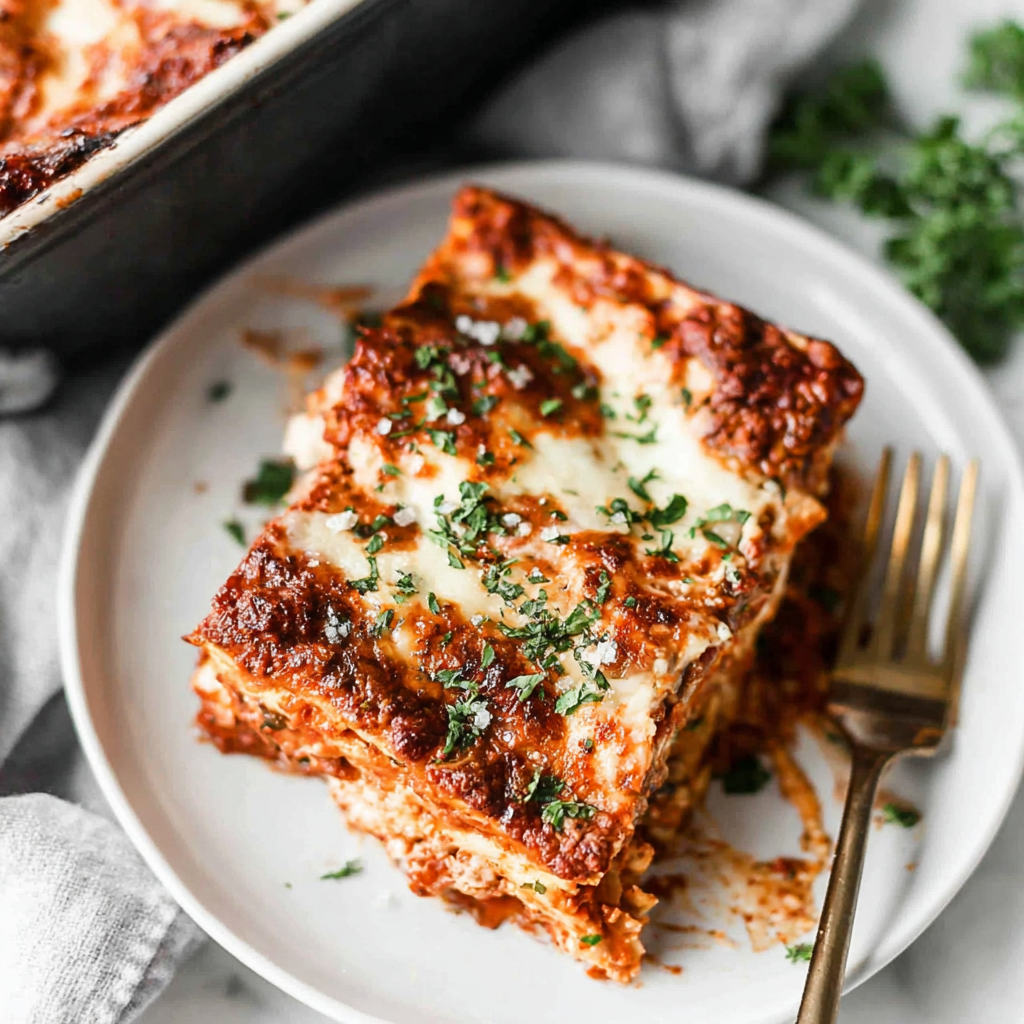
Lasagna is a beloved Italian dish that brings comfort and warmth to every table. Layers of rich flavors, gooey cheese, and hearty sauce create an experience that is both satisfying and memorable. Making homemade lasagna can seem daunting, but with a little patience and the right approach, it transforms into a rewarding culinary adventure.
The beauty of lasagna lies not only in its flavor but also in its versatility. You can customize it to your taste with different fillings, sauces, and cheeses, making it the perfect meal for any occasion. Whether you're sharing with family during the holidays or enjoying a cozy dinner at home, homemade lasagna is sure to impress.
Ingredients
- 12 lasagna noodles
Lasagna noodles form the foundation of the dish, providing structure and essential layers. Opt for traditional flat noodles for the best texture, or use no-boil noodles to save time. - 2 tablespoons olive oil
Olive oil enhances flavor and helps sauté the vegetables, contributing to the overall richness of the sauce. It also ensures that the ingredients don't stick to the pan. - 1 onion, chopped
Onions add depth and sweetness to the sauce. They caramelize when cooked, creating a base of flavor that will infuse the entire dish. - 2 cloves garlic, minced
Garlic imparts a robust flavor that complements the other ingredients. It’s a staple in Italian cooking, providing a warm aroma and a slight kick. - 1 pound ground beef or Italian sausage
The meat offers protein and richness, making the lasagna hearty. You can use a mix of both or substitute with ground turkey for a lighter option. - 1 can (28 oz) crushed tomatoes
Crushed tomatoes are essential for the sauce, bringing acidity and moisture. They serve as the base, creating a tomato-rich environment that melds the flavors. - 2 tablespoons tomato paste
Tomato paste intensifies the tomato flavor, giving the sauce a richer texture and depth. It contributes to the characteristic red color of lasagna. - 1 teaspoon dried oregano
Oregano is a classic herb in Italian cuisine, adding a fragrant, slightly peppery taste. It enhances the overall flavor profile and complements the meat and cheese. - 1 teaspoon dried basil
Basil brings a sweet, aromatic quality that balances the acidity of the tomatoes. It’s essential for creating that authentic Italian flavor. - Salt and pepper to taste
Seasoning is crucial to enhancing and balancing flavors throughout the lasagna. Adjust to suit your preferences, keeping in mind the overall dish. - 15 oz ricotta cheese
Ricotta contributes a creamy texture, enriching the layers of lasagna. It adds a delightful softness that contrasts with the firmer layers. - 1 egg
Adding an egg to the ricotta helps bind the cheese mixture together. It adds a bit of richness, making the filling creamier and smoother. - 2 cups shredded mozzarella cheese
Mozzarella is pivotal in lasagna for its meltiness and creamy texture, providing the stretchy, gooey quality that makes this dish irresistible. - 1/2 cup grated Parmesan cheese
Parmesan cheese adds a sharp, nutty flavor and enhances the overall taste. It’s typically sprinkled between layers for an extra touch of richness. - Fresh parsley for garnish
Garnishing with parsley adds a pop of color and fresh flavor to the finished dish. It is optional but makes for an appealing presentation.
Directions & Preparation
Step 1: Preheat the oven to 375°F (190°C).
Preheating is essential for baking lasagna evenly. It ensures that the layers cook through properly and the cheese on top forms a lovely golden crust.
Step 2: Cook the lasagna noodles according to package instructions; drain and set aside.
Cooking the noodles properly ensures they are al dente, providing the right texture in the final bake. Rinse briefly in cold water to stop the cooking process and prevent sticking.
Step 3: Heat olive oil in a large pan over medium heat; add chopped onion and garlic, cooking until softened.
Sautéing the onion and garlic develops a base of flavor for your sauce. This step releases their essential oils and enhances the aromatic profile of the dish.
Step 4: Add ground beef or sausage to the pan; cook until browned, breaking up the meat as it cooks. Drain excess fat.
Browning the meat develops rich flavors through the Maillard reaction, and draining excess fat ensures the dish doesn’t become greasy. This step is key for a well-rounded sauce.
Step 5: Stir in the crushed tomatoes, tomato paste, oregano, basil, salt, and pepper; simmer for about 20 minutes.
Simmering melds the flavors together, allowing the tomatoes to break down and the herbs to infuse their essence into the sauce. This enhances the overall taste and texture.
Step 6: In a bowl, mix ricotta cheese, egg, salt, and pepper until combined.
Combining ricotta with an egg lightens the texture and allows for easy spreading in layers. This mixture binds together and creates a creamy consistency.
Step 7: Start layering by spreading a thin layer of tomato sauce on the bottom of a baking dish, followed by noodles, then ricotta, mozzarella, and Parmesan.
Spreading sauce prevents the noodles from sticking, ensuring a smooth bottom layer. Each layer should be spread evenly for balanced flavors throughout the lasagna.
Step 8: Repeat the layering process until all ingredients are used, finishing with mozzarella and Parmesan on top.
Layering systematically ensures even distribution of flavors and textures. The top layer of cheese will melt and brown beautifully, creating that coveted cheesy crust.
Step 9: Cover the baking dish with aluminum foil and bake for 25 minutes; remove the foil and bake for an additional 15 minutes.
Covering maintains moisture in the lasagna during the initial baking, and removing the foil allows the top to crisp up. This two-step process produces a perfect bake.
Step 10: Let the lasagna rest for 10-15 minutes before slicing; garnish with fresh parsley.
Resting allows the layers to set, making it easier to cut and serve. Garnishing with parsley adds a fresh touch, enhancing the visual appeal and flavor.

Balancing Flavors: The Role of Herbs
The choice of herbs in your homemade lasagna is pivotal for creating a dish that is not only satisfying but also aromatic. Fresh basil and dried oregano, when used thoughtfully, can elevate the flavors significantly. They bring a balance of sweetness and earthiness, complementing the rich tomatoes and creamy cheeses beautifully. Experimenting with other herbs, like thyme or rosemary, can also add an interesting twist.
Choosing the Right Cheese for Layers
Using a combination of cheeses is key to achieving the right texture and flavor in your lasagna. Mozzarella provides the essential melt and stretch, while ricotta offers creaminess. Parmesan adds a sharp, nutty note that enhances every bite. Opt for high-quality cheeses to make a remarkable difference in flavor. If desired, feel free to mix in a bit of provolone or fontina for an even richer blend.
Enhancing Texture with Noodle Options
The type of noodles you choose can greatly affect the overall texture of your lasagna. Traditional lasagna noodles are a go-to for their adaptability; however, no-boil noodles can save time and effort. No-boil noodles soften as they bake, absorbing moisture from the sauce, while regular noodles require pre-cooking. Understanding these differences allows for a customized experience, ensuring your lasagna is just right.
FAQs
What can I do if my sauce is too thin?
If your sauce is too thin, consider simmering it uncovered for a few extra minutes to evaporate some liquid. Adding a bit of tomato paste can also thicken the texture.
What should I consider if I want to double the recipe?
When doubling the recipe, ensure you have a larger baking dish to accommodate the increased volume. You'll also want to adjust baking times, checking for doneness as the dish may take longer to heat through.
How do I know if the lasagna is fully cooked?
The lasagna is done when the cheese is bubbly and golden, and the edges are slightly crisped. A knife should easily glide through the layers without much resistance.
Is there a way to add more vegetables to this lasagna?
Incorporating vegetables like spinach, zucchini, or mushrooms can enhance the nutritional value. Sauté them prior to adding to the layers to reduce moisture content.
What if my cheese topping isn’t browning?
If the cheese isn't browning, you can broil the lasagna for a few minutes at the end of cooking. Keep a close eye to avoid burning.
How can I spice up the filling for more flavor?
To spice up your filling, consider adding crushed red pepper flakes, a dash of nutmeg, or even sautéed bell peppers for additional flavor and warmth.
Conclusion
Creating homemade lasagna is an exercise in patience and creativity. The beauty of layering flavors and textures results in a dish that feels both hearty and sophisticated, perfect for gatherings or family dinners.
As you embark on this culinary endeavor, remember that each ingredient plays a vital role in the final product. Use quality ingredients, give yourself time, and most importantly, enjoy the process. Your homemade lasagna is bound to become a cherished recipe in your kitchen.
Recipe Card
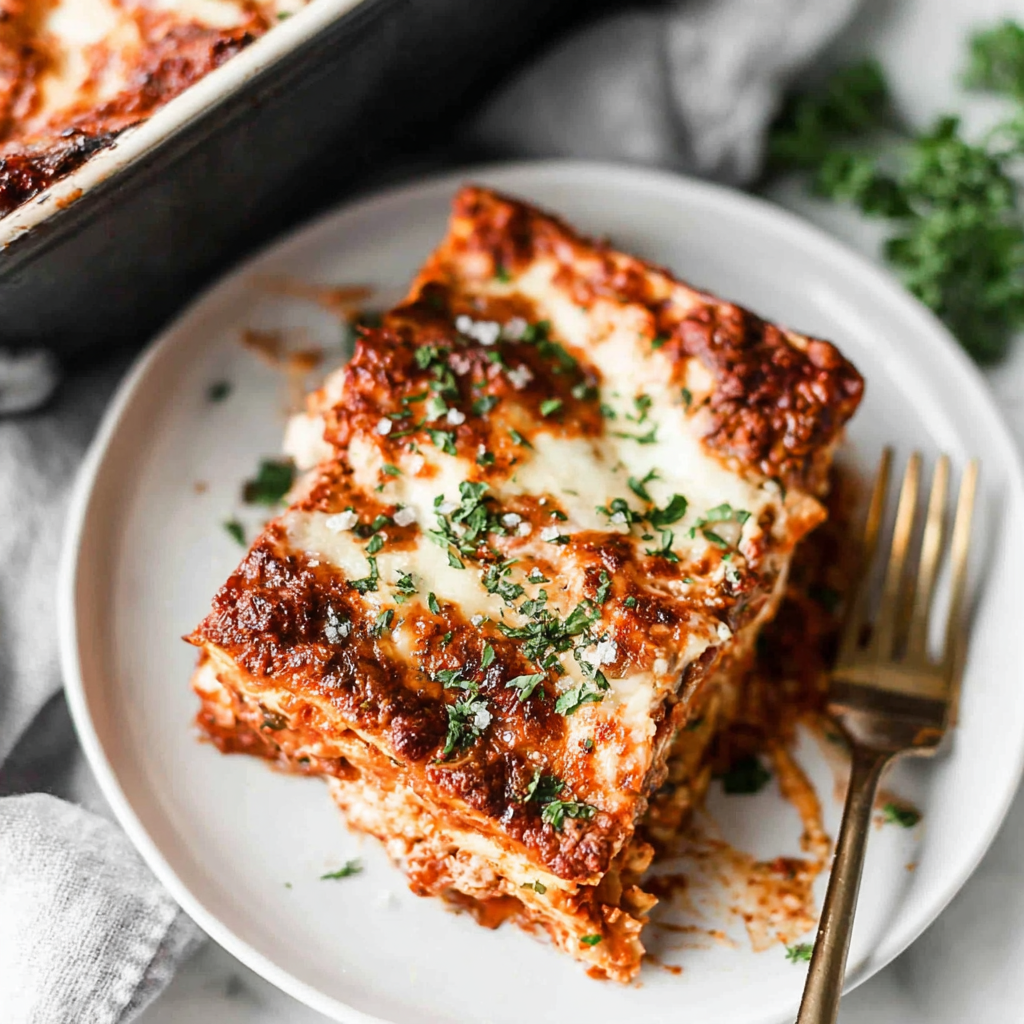
Crafting Traditional Homemade Lasagna with Love
Ingredients
Method
- Preheat the oven to 375°F (190°C).
- Cook the lasagna noodles according to package instructions; drain and set aside.
- Heat olive oil in a large pan over medium heat; add chopped onion and garlic, cooking until softened.
- Add ground beef or sausage to the pan; cook until browned, breaking up the meat as it cooks. Drain excess fat.
- Stir in the crushed tomatoes, tomato paste, oregano, basil, salt, and pepper; simmer for about 20 minutes.
- In a bowl, mix ricotta cheese, egg, salt, and pepper until combined.
- Start layering by spreading a thin layer of tomato sauce on the bottom of a baking dish, followed by noodles, then ricotta, mozzarella, and Parmesan.
- Repeat the layering process until all ingredients are used, finishing with mozzarella and Parmesan on top.
- Cover the baking dish with aluminum foil and bake for 25 minutes; remove the foil and bake for an additional 15 minutes.
- Let the lasagna rest for 10-15 minutes before slicing; garnish with fresh parsley.
Notes
Additional serving suggestions: pair with a crisp salad, garlic bread, or roasted seasonal vegetables for balance.
For make-ahead, prep components separately and assemble just before heating to preserve texture.
Taste and adjust with acid (lemon/vinegar) and salt right at the end to wake up flavors.