Introduction
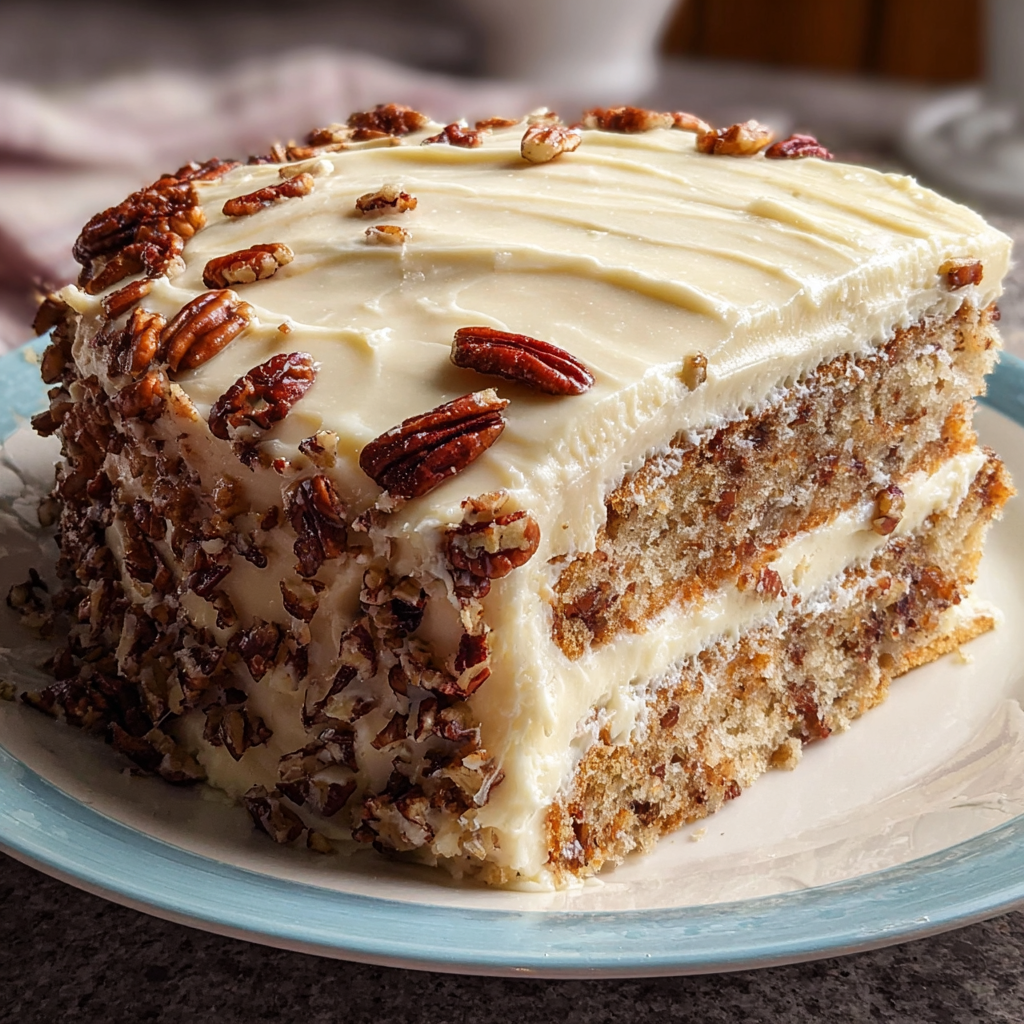
There's something incredibly comforting about a homemade cake, especially one that celebrates the rich and toasty flavors of buttered pecans. Butter Pecan Cake combines the buttery essence of cake with crunchy pecans to create a delightful dessert that can easily become a family favorite.
This recipe highlights the simplicity of creating a moist, flavorful cake that doesn’t require advanced baking skills. Gather your ingredients, and prepare to indulge in a slice of homemade goodness that resonates with warm, nutty aromas as it bakes.
Ingredients
- 2 cups all-purpose flour
All-purpose flour provides the structure and body of the cake. It helps bind the ingredients and gives the cake its fluffy texture. - 1 ¼ cups granulated sugar
Sugar not only sweetens the cake but also contributes to its moisture content and aids in achieving a light, airy crumb. - ½ cup unsalted butter, softened
Butter adds richness and moisture to the cake, enhancing its flavor. Using unsalted allows better control of overall saltiness. - 1 cup buttermilk
Buttermilk reacts with the baking soda, creating a tender texture. Its acidity also enhances the cake’s flavor profile. - 3 large eggs
Eggs are crucial for binding the ingredients together, providing structure and stability as the cake rises during baking. - 1 teaspoon vanilla extract
Vanilla enhances the overall flavor of the cake, adding a warm undertone that complements the pecans. - 1 teaspoon baking powder
Baking powder is a leavening agent crucial for the cake’s rise, contributing to a fluffy texture. - 1 teaspoon baking soda
Baking soda works with the buttermilk to create a lighter texture, helping the cake to rise as it bakes. - ½ teaspoon salt
Salt enhances the flavors of the other ingredients, balancing the sweetness of the cake. - 1 cup chopped pecans, toasted
Toasting the pecans brings out their natural oils and deepens their flavor, infusing the cake with a delightful crunch.
Directions & Preparation
Step 1: Preheat your oven to 350°F (175°C).
Preheating your oven ensures an even baking temperature from the start. This helps the cake rise properly and develops the ideal crumb texture. Take a moment to prepare your baking pan by greasing and flouring it to prevent sticking.
Step 2: In a large mixing bowl, cream the softened butter and granulated sugar until light and fluffy.
This creaming process aerates the mixture, incorporating air and creating a light texture in the cake. It’s essential to beat the butter and sugar thoroughly for about 4–5 minutes, using medium speed until you see a pale, fluffy mixture.
Step 3: Add the eggs one at a time, mixing until well combined after each addition.
Incorporating eggs gradually allows for better emulsification with the butter and sugar, resulting in a cohesive batter. Mix on low speed to avoid splattering, and scrape down the sides of the bowl to ensure even blending.
Step 4: Stir in the vanilla extract and buttermilk.
Adding the wet ingredients introduces moisture into the batter, ensuring it remains tender. Be mindful to mix gently to avoid overworking the batter, which can lead to a dense cake.
Step 5: In a separate bowl, whisk together the flour, baking powder, baking soda, and salt.
Combining the dry ingredients before incorporating them into the wet mixture ensures even distribution of the leavening agents and salt. This helps avoid any concentrated pockets of baking soda or powder.
Step 6: Gradually add the dry ingredients to the wet mixture, stirring just until combined.
Overmixing at this stage can lead to a tough cake. Fold gently to maintain the fluffy texture, and be cautious not to leave behind any dry flour or flour clumps.
Step 7: Gently fold in the toasted pecans.
Folding in the pecans carefully preserves the lightness of the batter, ensuring they are evenly distributed without deflating the mixture. Toasting the pecans beforehand intensifies their flavor, adding depth to the cake.
Step 8: Pour the batter into the prepared pan and spread it evenly.
Evenly spreading the batter promotes uniform baking. Additionally, tapping the pan on the counter helps settle the batter and release any air bubbles that may be trapped.
Step 9: Bake in the preheated oven for 30–35 minutes, or until a toothpick inserted into the center comes out clean.
Baking times may vary based on your oven and the type of pan used. Keep an eye on the cake as it approaches the 30-minute mark, checking doneness by inserting a toothpick; it should come out with a few moist crumbs.
Step 10: Let the cake cool in the pan for 10 minutes before transferring it to a wire rack.
Cooling in the pan allows the cake to firm up slightly, making it easier to release from the pan without breaking. After the initial cooling, transferring to a rack ensures airflow, which prevents the bottom from becoming soggy.
Step 11: Once completely cooled, decorate with additional toasted pecans or frosting, if desired.
Toppings not only add visual appeal but also enhance the overall flavor experience. Simple decorations can include a dusting of powdered sugar or a light cream cheese frosting that complements the nuttiness of the cake.

The Art of Toasting Pecans
Toasting pecans is a simple yet crucial step that elevates the flavor profile of your Butter Pecan Cake. By gently heating the nuts in a dry skillet or the oven, you unlock their natural oils and create a rich, crunchy texture. Watch them closely, as they can go from perfectly toasted to burnt in an instant. Once done, let them cool before adding to the batter—it will make a significant difference in taste.
Choosing the Right Flour
The type of flour used in your Butter Pecan Cake greatly impacts the final result. While all-purpose flour is standard for most cakes, considering a cake flour can yield an even softer texture. Cake flour has a lower protein content that produces a more tender crumb. If you’re after a fluffier cake, a blend of the two can also yield delightful results.
Variations on the Classic Recipe
Once you’ve mastered the Butter Pecan Cake, consider experimenting with variations. Try adding a swirl of caramel sauce into the batter before baking or incorporate alternate nuts like walnuts or almonds for a twist. You can also stuff the cake with a layer of cream cheese filling to add an unexpected surprise during every bite.
FAQs
What if my cake doesn't rise properly?
Ensure your baking powder and baking soda are fresh, as expired leavening agents can prevent rising. Also, avoid overmixing the batter, as this could create a denser cake.
How do I know when my cake is done baking?
The cake is done when a toothpick inserted in the center comes out clean or with a few moist crumbs attached. Additionally, the edges will slightly pull away from the pan.
Can I use chopped walnuts instead of pecans?
Yes, chopped walnuts can be substituted for pecans if you prefer a different nut flavor. Keep in mind that walnuts have a slightly earthier taste.
What should I do if my batter is too thick?
If your batter seems too thick, add a tablespoon of buttermilk at a time until it reaches a more pourable consistency. Avoid making it too runny; you want it to still hold some shape.
Can I make this cake in advance for a party?
Absolutely! This cake keeps well for a few days wrapped in an airtight container at room temperature. It can be made ahead and decorated shortly before serving.
Why did my cake turn out dry?
A dry cake may result from overbaking or using too much flour. Ensure accurate measurements and avoid opening the oven door too often to maintain temperature.
How can I make the cake more flavorful?
To intensify flavor, consider adding a tablespoon of bourbon or maple syrup to the batter or infusing your buttermilk with additional vanilla.
What type of frosting pairs well with the Butter Pecan Cake?
A cream cheese frosting or a simple buttercream with vanilla pairs wonderfully, balancing the richness of the cake. You might also try a caramel drizzle for extra decadence.
Conclusion
Homemade Butter Pecan Cake is a celebration of flavors and textures that will delight anyone lucky enough to have a slice. Its combination of buttery richness and nutty crunch creates a dessert that is both comforting and indulgent.
Baking this cake is not just about the final product but also the joy of creating something special from scratch. Whether you share it at a gathering or enjoy it warm with a cup of coffee, this cake is sure to bring smiles and satisfy cravings.
Recipe Card
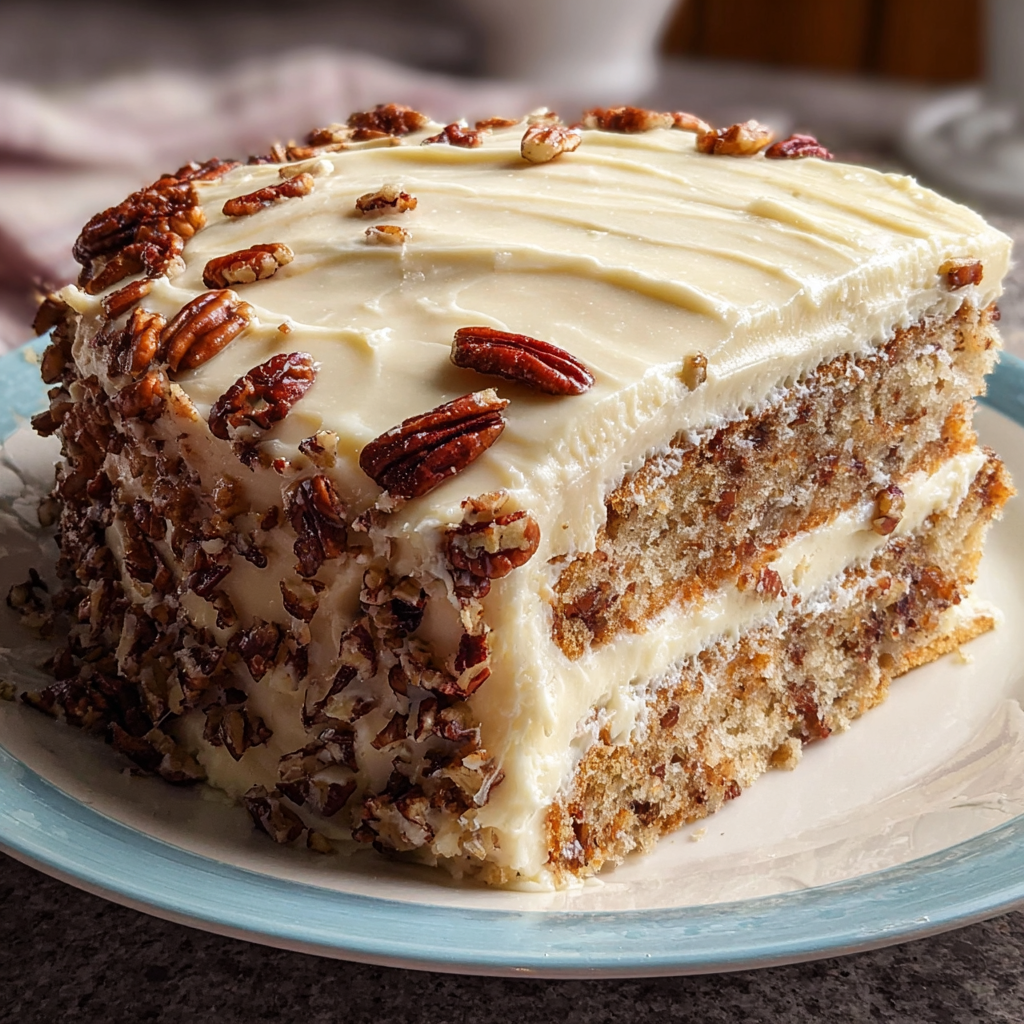
Delicious Homemade Butter Pecan Cake Recipe
Ingredients
Method
- Preheat your oven to 350°F (175°C).
- In a large mixing bowl, cream the softened butter and granulated sugar until light and fluffy.
- Add the eggs one at a time, mixing until well combined after each addition.
- Stir in the vanilla extract and buttermilk.
- In a separate bowl, whisk together the flour, baking powder, baking soda, and salt.
- Gradually add the dry ingredients to the wet mixture, stirring just until combined.
- Gently fold in the toasted pecans.
- Pour the batter into the prepared pan and spread it evenly.
- Bake in the preheated oven for 30–35 minutes, or until a toothpick inserted into the center comes out clean.
- Let the cake cool in the pan for 10 minutes before transferring it to a wire rack.
- Once completely cooled, decorate with additional toasted pecans or frosting, if desired.
Notes
Additional serving suggestions: pair with a crisp salad, garlic bread, or roasted seasonal vegetables for balance.
For make-ahead, prep components separately and assemble just before heating to preserve texture.
Taste and adjust with acid (lemon/vinegar) and salt right at the end to wake up flavors.