Introduction
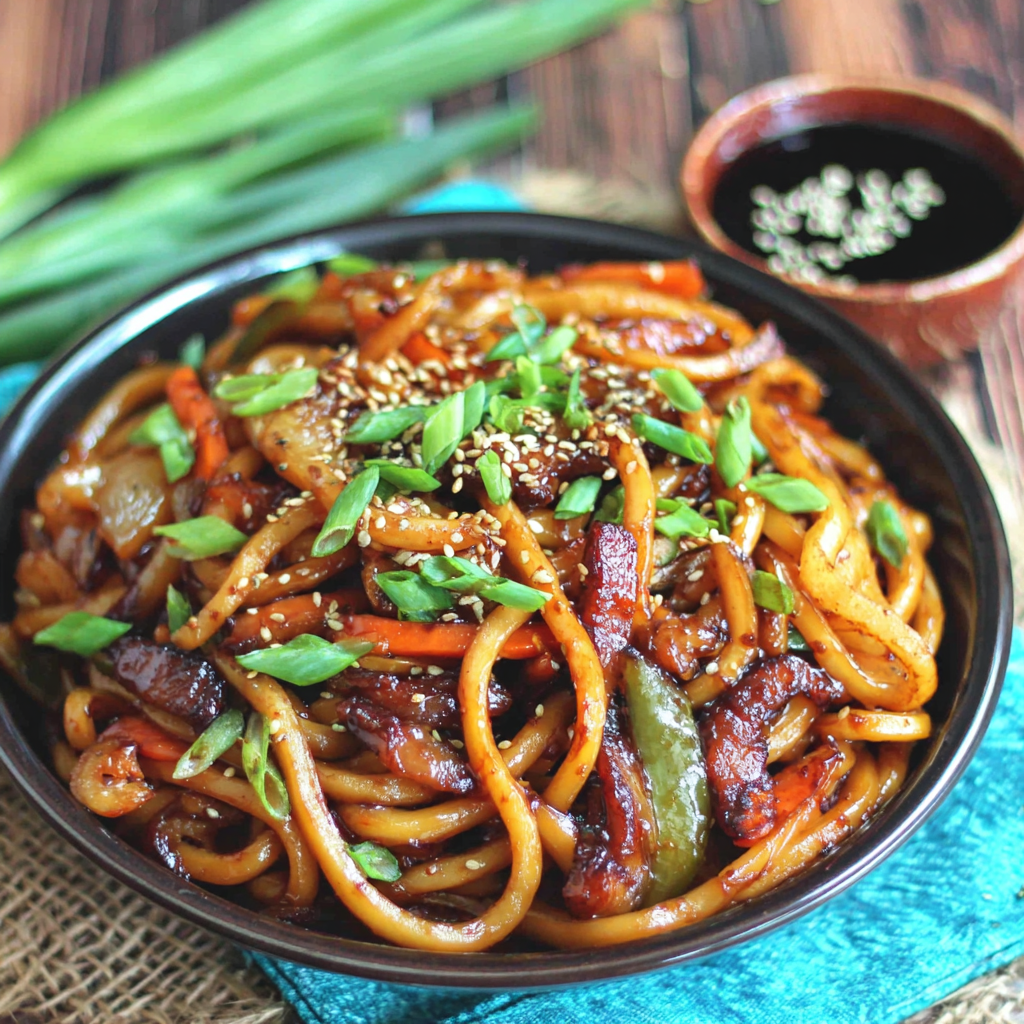
Yaki Udon is a delectable stir-fried noodle dish that hails from Japan, known for its rich flavors and satisfying textures. The soft yet slightly chewy udon noodles are paired with vibrant vegetables and can be customized with various proteins, making it a versatile meal option for home cooks.
This dish can be whipped up quickly, perfect for busy weeknights or when you crave a comforting bowl of noodles. With a well-balanced sauce and fresh ingredients, Yaki Udon brings restaurant-quality flavor directly to your kitchen.
Ingredients
- 400g udon noodles
Udon noodles are thick, chewy strands that provide a hearty base for the dish. Their unique texture allows them to absorb flavors well, enhancing the overall taste of Yaki Udon. - 2 tablespoons vegetable oil
Vegetable oil is used for stir-frying, allowing high heat without burning. It helps to sauté the ingredients evenly, creating a slight crispness to the vegetables while retaining their vibrant colors. - 1 medium onion, sliced
Onions add a sweet aroma and depth of flavor as they caramelize during cooking. Their natural sweetness balances with the savory ingredients, enriching the dish. - 2 cloves garlic, minced
Garlic brings an aromatic punch, enhancing the flavor profile of the dish. It complements the other ingredients, adding complexity and richness. - 1 carrot, julienned
Carrots contribute a natural sweetness and colorful contrast. Their slight crunch adds texture to each bite, making the dish visually appealing. - 1 bell pepper, sliced
Bell peppers not only add a sweet and slightly tangy flavor but also bring a vibrant pop of color. They lend freshness to the stir-fry. - 200g protein (chicken, beef, or tofu)
Your chosen protein enriches the dish with additional taste and nutrients. Whether you prefer tender chicken strips, succulent beef, or plant-based tofu, it makes the meal heartier. - 3 tablespoons soy sauce
Soy sauce is the backbone of Yaki Udon, giving the dish its signature umami flavor. It also adds a savory brown hue, harmonizing with other ingredients. - 1 tablespoon oyster sauce
This sauce enhances the dish's complexity with a slight sweetness and umami taste. It contrasts beautifully with the saltiness of soy sauce, elevating the overall experience. - 1 teaspoon sesame oil
Sesame oil imparts a unique, nutty aroma and flavor. A small amount goes a long way in enhancing depth and authenticity, bringing out the best in the other ingredients. - 2 green onions, sliced for garnish
Green onions add a fresh, zesty brightness to the dish. They make for an appealing garnish and provide a lovely crunch, balancing the richer flavors.
Directions & Preparation
Step 1: Cook the udon noodles according to package instructions, drain and set aside.
Cooking the udon noodles perfectly is crucial for the right texture. Follow the package directions closely to achieve a tender yet slightly chewy finish. Once drained, toss them lightly in a bit of oil to prevent sticking.
Step 2: Heat vegetable oil in a large skillet or wok over medium-high heat.
Warming up the skillet is essential as it prepares the pan for quick, even cooking. Using medium-high heat allows for proper stir-frying, which will give your vegetables a beautiful sear while retaining their nutritional value.
Step 3: Add sliced onions to the pan, stirring until they become translucent.
Sautéing the onions until they are translucent enhances their sweetness and creates a fragrant base for your stir-fry. This step builds the foundation of flavor for the entire dish.
Step 4: Incorporate minced garlic, julienned carrots, and sliced bell pepper. Stir-fry for 3-4 minutes.
Adding garlic and vegetables at this stage infuses the oil with flavors. Stir-frying these ingredients allows them to soften and release their natural sweetness while maintaining a pleasant crunch.
Step 5: Add the protein of your choice to the skillet, cooking until browned and cooked through.
This step is vital as it adds substance and heartiness to your Yaki Udon. Cook the protein until it is nicely browned and no longer pink to ensure it integrates well with the noodles.
Step 6: Pour in the soy sauce and oyster sauce, stirring well to coat the vegetables and protein.
Saucing the mix at this juncture allows the flavors to meld beautifully. Ensure all ingredients are well-coated, as this step infuses the dish with the beloved umami and savory taste.
Step 7: Add the cooked udon noodles to the skillet, tossing gently to combine everything evenly.
Tossing the noodles with the other ingredients is key to achieving a well-distributed flavor. Be gentle to prevent breaking the noodles, allowing them to soak in the sauces and become flavorful.
Step 8: Drizzle with sesame oil and give a final toss to combine, removing from heat.
Drizzling sesame oil at the end introduces a robust, nutty flavor that elevates the dish. Removal from heat prevents the flavors from becoming overcooked and ensures a pleasing texture.
Step 9: Garnish with sliced green onions before serving.
Garnishing with green onions adds a fresh bite and a pop of color, making the dish visually appealing. This final touch not only enhances presentation but also provides a refreshing crunch.

The Beauty of Customization in Yaki Udon
One of the greatest appeals of Yaki Udon is its remarkable versatility. Home cooks can adapt the recipe to their tastes and the ingredients at hand. Whether you choose shrimp, chicken, tofu, or a medley of crunchy vegetables, the dish welcomes creativity. This allows you to craft a unique Yaki Udon tailored to your preferences, making it a fun and approachable endeavor.
Balancing Flavors in Your Stir-Fry
Mastering flavor balance is crucial in any stir-fry, and Yaki Udon is no exception. The interplay of sweet, savory, and umami notes with fresh vegetables creates a symphony of taste and texture. Experimenting with the ratios of soy sauce, oyster sauce, and even a splash of mirin can lead you to discover a flavor combination that resonates with your palate.
Perfecting Your Cooking Technique
Stir-frying is an art that improves with practice. The key lies in controlling the heat and timing to achieve that perfect sear without overcooking your ingredients. Preparing all your ingredients beforehand and working quickly allows for a seamless cooking experience. With time, you’ll gain confidence in your technique, transforming Yaki Udon into a signature dish in your repertoire.
FAQs
What can I add to Yaki Udon for extra texture?
Consider adding crispy fried onions or sesame seeds as a topping. You can also include peanuts or cashews for a delightful crunch.
How can I make my Yaki Udon less salty?
To balance out the sauce's saltiness, consider adding a bit of sugar or honey. You may also dilute the sauce with a splash of water or broth.
What vegetables can I use besides carrots and bell peppers?
Feel free to incorporate broccoli, snap peas, or mushrooms. Seasonal vegetables like zucchini and bok choy also work beautifully in Yaki Udon.
What should I do if my sauce is too thick?
If your sauce is too thick, add a splash of water or broth to the skillet while stirring to loosen it. This will help integrate the flavors without changing the overall taste.
Can I adjust the spice level in Yaki Udon?
Yes, you can adjust the heat by adding ingredients like chili paste, freshly chopped chili, or even a sprinkle of red pepper flakes, depending on your preference.
How do I ensure the udon noodles don't clump together?
Tossing the cooked noodles in a little oil after draining prevents them from clumping. Make sure they are fully cooked and tossed well when added to the stir-fry.
Conclusion
Yaki Udon not only satisfies hunger but also offers a chance for culinary creativity. With its chewy noodles, colorful vegetables, and customizable proteins, it's a meal that brings joy to the dining table.
Whether you're cooking for family or enjoying a meal alone, Yaki Udon embraces the essence of home cooking. Try your variation and enjoy the journey as much as the result.
Recipe Card
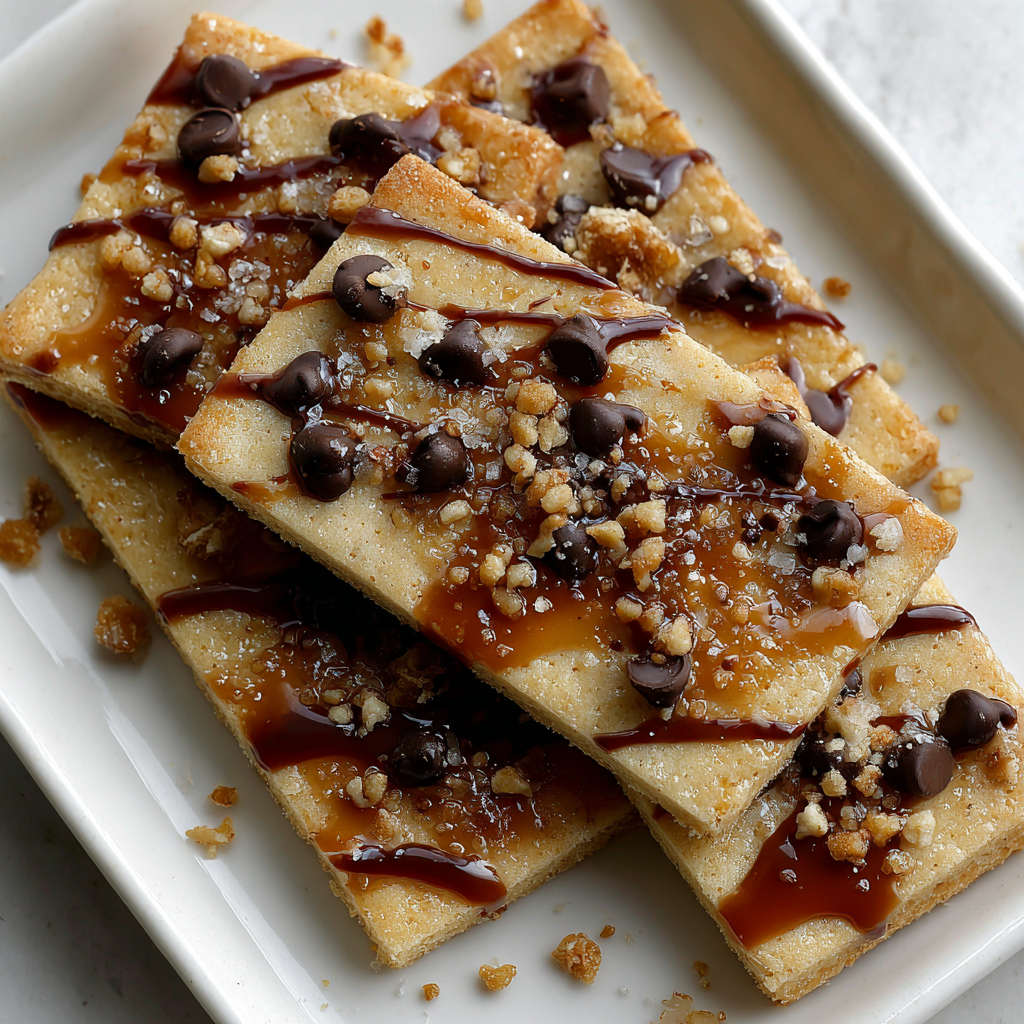
Rich Chocolate Chip and Toffee Shortbread Treats
Ingredients
Method
- Preheat the oven to 350°F (175°C).
- In a large bowl, cream together the softened butter and powdered sugar until smooth and light in color.
- Add the vanilla extract and mix until combined.
- In a separate bowl, whisk together the flour and salt.
- Gradually add the flour mixture to the butter mixture, mixing until just combined.
- Gently fold in the chocolate chips and toffee bits with a spatula until evenly distributed.
- Turn the dough out onto a lightly floured surface and shape it into a log or rectangle.
- Wrap the shaped dough in plastic wrap and refrigerate for at least 30 minutes.
- Slice the chilled dough into even pieces and place them on a baking sheet lined with parchment paper.
- Bake in the preheated oven for 12-15 minutes, or until the edges are lightly golden.
- Allow the cookies to cool on the baking sheet for a few minutes before transferring to a wire rack to cool completely.
Notes
Additional serving suggestions: pair with a crisp salad, garlic bread, or roasted seasonal vegetables for balance.
For make-ahead, prep components separately and assemble just before heating to preserve texture.
Taste and adjust with acid (lemon/vinegar) and salt right at the end to wake up flavors.