Introduction
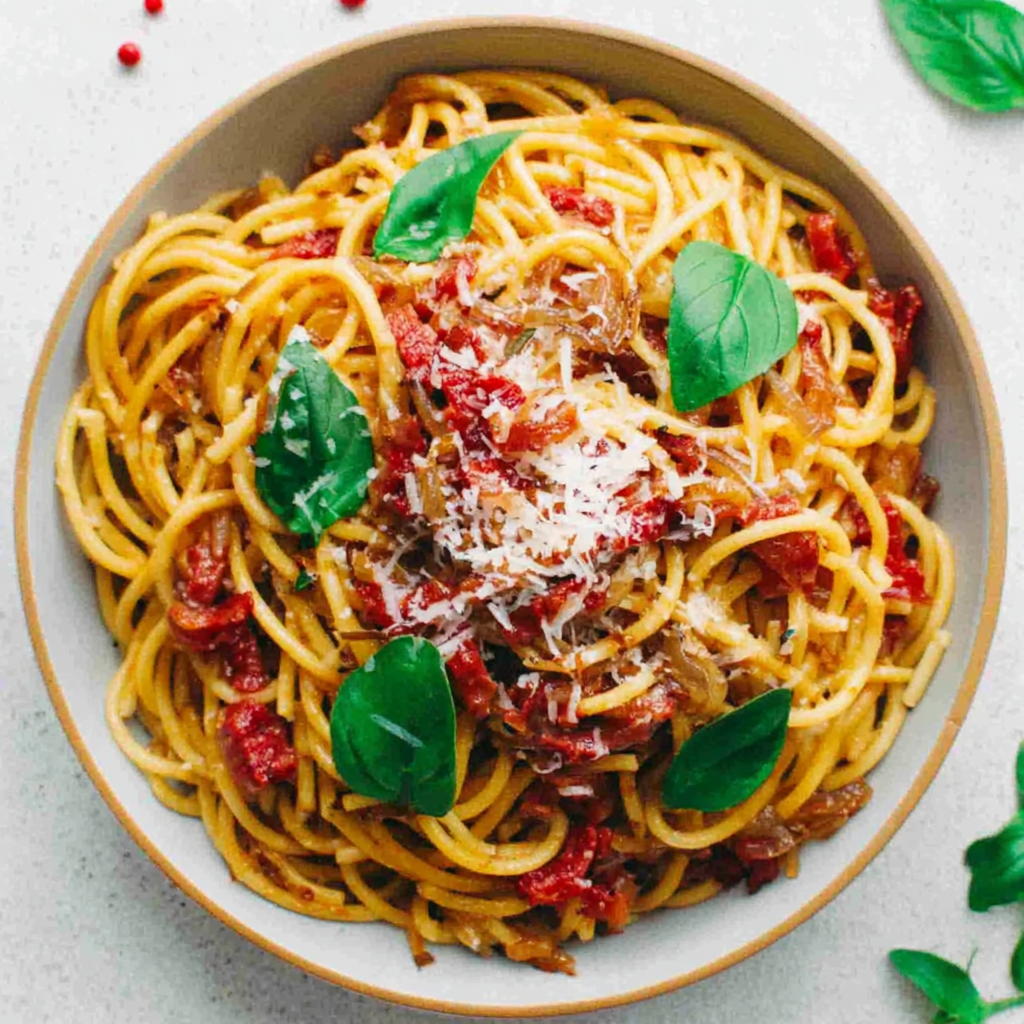
Caramelized shallot pasta is a delightful dish that brings together the rich sweetness of shallots and the comforting qualities of pasta. The depth of flavor achieved through caramelization transforms ordinary ingredients into a symphony of taste, elevating any dinner table.
This dish is not just a meal; it's an experience—a savory journey that highlights the humble shallot's complexities. Perfect for both weeknight dinners and special occasions, caramelized shallot pasta is sure to impress friends and family alike.
Ingredients
- 8 oz pasta of your choice
The base of this dish, pasta plays a pivotal role in delivering flavor and texture. Choose a shape that holds sauce well, such as pappardelle or fusilli, allowing the caramelized shallots to cling beautifully. - 4 large shallots, thinly sliced
Shallots offer a milder flavor compared to onions, and when caramelized, they develop a sweet, rich taste that is the dish's highlight. Their subtlety enhances the overall flavor without overpowering the pasta. - 3 tbsp olive oil
Olive oil is essential for sautéing shallots, providing both flavor and moisture. It helps in reaching the desired caramelization while offering heart-healthy fats. - 1/2 tsp salt
Salt is crucial for enhancing flavors and helps draw moisture from the shallots, encouraging them to caramelize. It balances the sweetness and rounds out the dish's taste. - 1/4 tsp black pepper
Black pepper adds a hint of heat that contrasts with the sweetness of the shallots, creating a more complex flavor profile. Just a touch brings the dish together beautifully. - 1/2 cup vegetable broth (or pasta cooking water)
Using broth adds depth to the dish, infusing the pasta with savory notes. Alternatively, pasta water adds starch that helps bond the sauce to the pasta, enhancing creaminess. - 1/4 cup grated Parmesan cheese
Parmesan cheese not only adds richness and creaminess but also contributes a salty, umami flavor that deepens the overall experience of deliciousness in the dish. - 1/4 cup fresh parsley, chopped (for garnish)
Garnishing with fresh parsley brings a pop of color and freshness to the dish. It brightens flavor and balances the richness, elevating the presentation.
Directions & Preparation
Step 1: Cook the pasta according to package instructions until al dente.
Start by bringing a large pot of salted water to a boil. The pasta should be cooked until al dente to maintain a firm texture that pairs well with the creamy sauce. Reserve a cup of pasta water before draining to incorporate later for added flavor and creaminess.
Step 2: While the pasta cooks, heat olive oil in a large skillet over medium heat.
Heating olive oil before adding shallots ensures even cooking and promotes the Maillard reaction, which is crucial for developing the rich brown color and flavor. Keep an eye on the heat level, as too high a temperature can burn the shallots.
Step 3: Add the thinly sliced shallots to the skillet and sprinkle with salt and black pepper.
Adding shallots at this stage allows them to begin their journey towards caramelization. Sprinkling salt and pepper enhances their natural flavor, helping them to release their moisture and start cooking down.
Step 4: Cook the shallots, stirring occasionally, until they are golden brown and caramelized, about 15-20 minutes.
Stirring occasionally helps prevent any shallots from sticking or burning, ensuring an even caramelization. As they cook, they will reduce in size and become sweet and flavorful, contributing a rich depth to your dish.
Step 5: Pour in the vegetable broth (or reserved pasta water) to deglaze the pan, scraping up any browned bits.
Deglazing the pan is a key step to incorporate all those flavorful bits that stick to the skillet during cooking. The liquid helps loosen these morsels and infuses the sauce with robust flavor, further elevating your dish.
Step 6: Add the cooked pasta to the skillet and toss to combine.
Once the pasta is added, it should be thoroughly coated with the can caramelized shallots and sauce. Tossing ensures each strand of pasta gets enveloped in deliciousness while the flavors meld together seamlessly.
Step 7: Stir in grated Parmesan cheese until melted and combined.
Incorporating Parmesan cheese at this stage adds a creamy texture and savory depth to your sauce. This step is crucial for achieving the desired consistency and richness of the dish—taste and adjust the seasoning if needed.
Step 8: Serve immediately, garnished with fresh parsley.
Serving the pasta immediately ensures it's enjoyed at its best—hot, creamy, and flavorful. Garnishing with fresh parsley adds color and freshness, making each bite more enjoyable.

The Sweet Science of Caramelization
Caramelization is a cooking process that transforms sugar into complex flavors through heat. In the case of shallots, the natural sugars undergo this transformation, resulting in a sweet, nutty taste that has the power to elevate a simple pasta dish to something extraordinary. Understanding this process enhances the cook's ability to manipulate flavors effectively.
Choosing the Right Pasta for Optimal Saucing
Selecting the right pasta shape is instrumental for a successful dish. Hearty shapes like pappardelle, tagliatelle, or even rigatoni are excellent choices as they possess ridges or thickness that hold onto sauces. They not only complement the caramelized shallots but also create a more satisfying, cohesive mouthfeel.
Enhancing Flavor with Add-Ins
While caramelized shallot pasta is delightful on its own, consider enhancing the depth of flavor with additional ingredients. Ingredients like cooked mushrooms, crisped bacon, or sautéed greens can be added to create layers of complexity. This versatility allows home cooks to unleash their creativity while tailoring the dish to personal preferences.
FAQs
What should I do if my pasta sauce is too thick?
If the sauce is too thick, gradually add a bit of reserved pasta water or broth to thin it out. Stir while adding the liquid until you reach the desired consistency.
What if my caramelized shallots turn out bitter?
If the shallots taste bitter, they may have been cooked at too high a heat or for too long. Lower the heat next time and stir frequently to prevent burning.
Can I use white wine in the sauce for extra flavor?
Absolutely! Deglazing with white wine instead of broth will add a layer of complexity and brightness to the dish. Just let the alcohol cook off before adding the pasta.
Is there a way to make this dish a complete meal?
To transform this dish into a complete meal, consider adding protein such as grilled chicken or sautéed shrimp. Vegetables like spinach or asparagus can also be mixed in for added nutrients.
What if I want to scale up this recipe for a larger gathering?
Scaling up this recipe is easy! Simply multiply the ingredient amounts according to your desired servings, ensuring you use a larger skillet or pot to accommodate everything.
How can I prevent the shallots from overcooking?
To avoid overcooking, keep an eye on the heat and stir the shallots frequently. Lower the heat if they begin to brown too quickly, allowing for controlled caramelization.
Conclusion
Caramelized shallot pasta is an exquisite dish that beautifully marries simplicity with gourmet flair. The delicate balance of flavors and textures makes it a standout on any table.
Whether enjoyed on a busy weekday or at a leisurely weekend dinner, this pasta is sure to impress. Embrace the cooking process, let the shallots caramelize, and savor every delicious bite.
Recipe Card
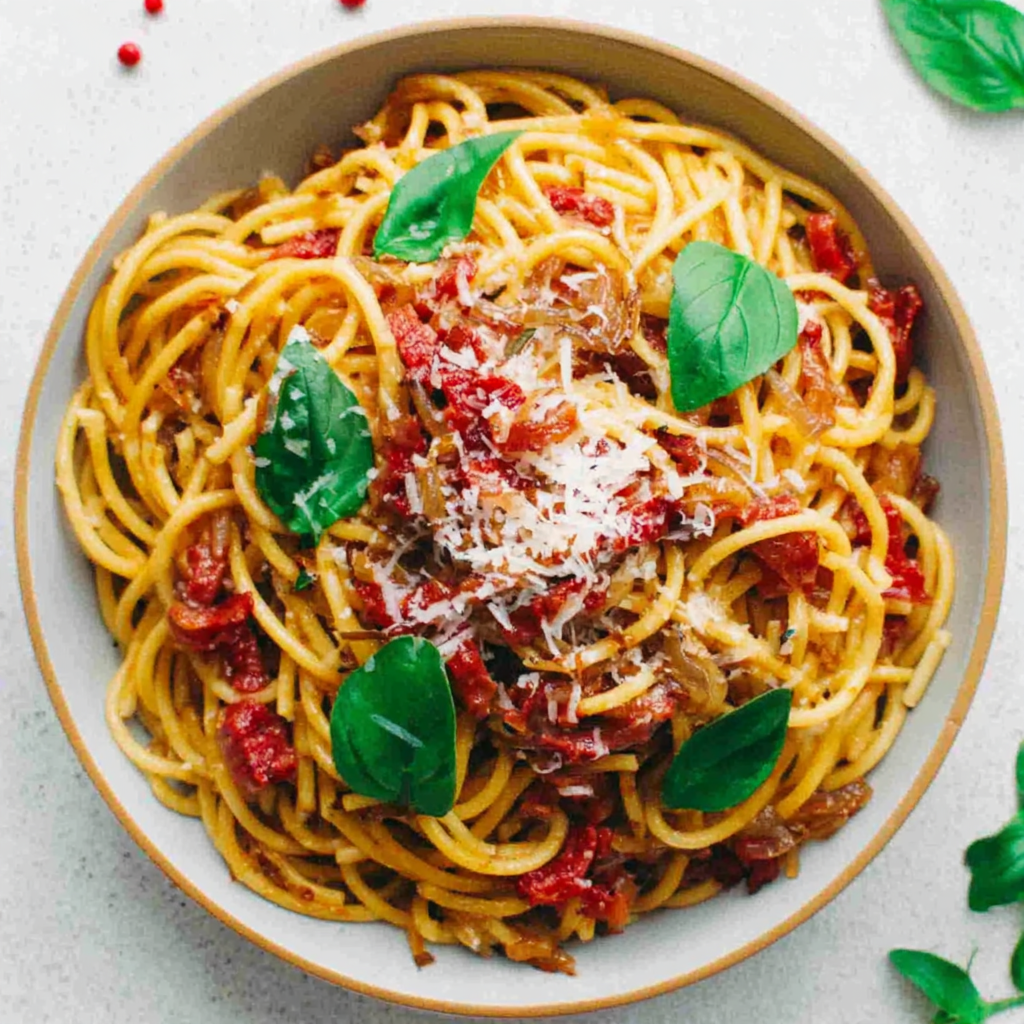
Exploring the Delight of Caramelized Shallot Pasta
Ingredients
Method
- Cook the pasta according to package instructions until al dente.
- While the pasta cooks, heat olive oil in a large skillet over medium heat.
- Add the thinly sliced shallots to the skillet and sprinkle with salt and black pepper.
- Cook the shallots, stirring occasionally, until they are golden brown and caramelized, about 15-20 minutes.
- Pour in the vegetable broth (or reserved pasta water) to deglaze the pan, scraping up any browned bits.
- Add the cooked pasta to the skillet and toss to combine.
- Stir in grated Parmesan cheese until melted and combined.
- Serve immediately, garnished with fresh parsley.
Notes
Additional serving suggestions: pair with a crisp salad, garlic bread, or roasted seasonal vegetables for balance.
For make-ahead, prep components separately and assemble just before heating to preserve texture.
Taste and adjust with acid (lemon/vinegar) and salt right at the end to wake up flavors.