Introduction
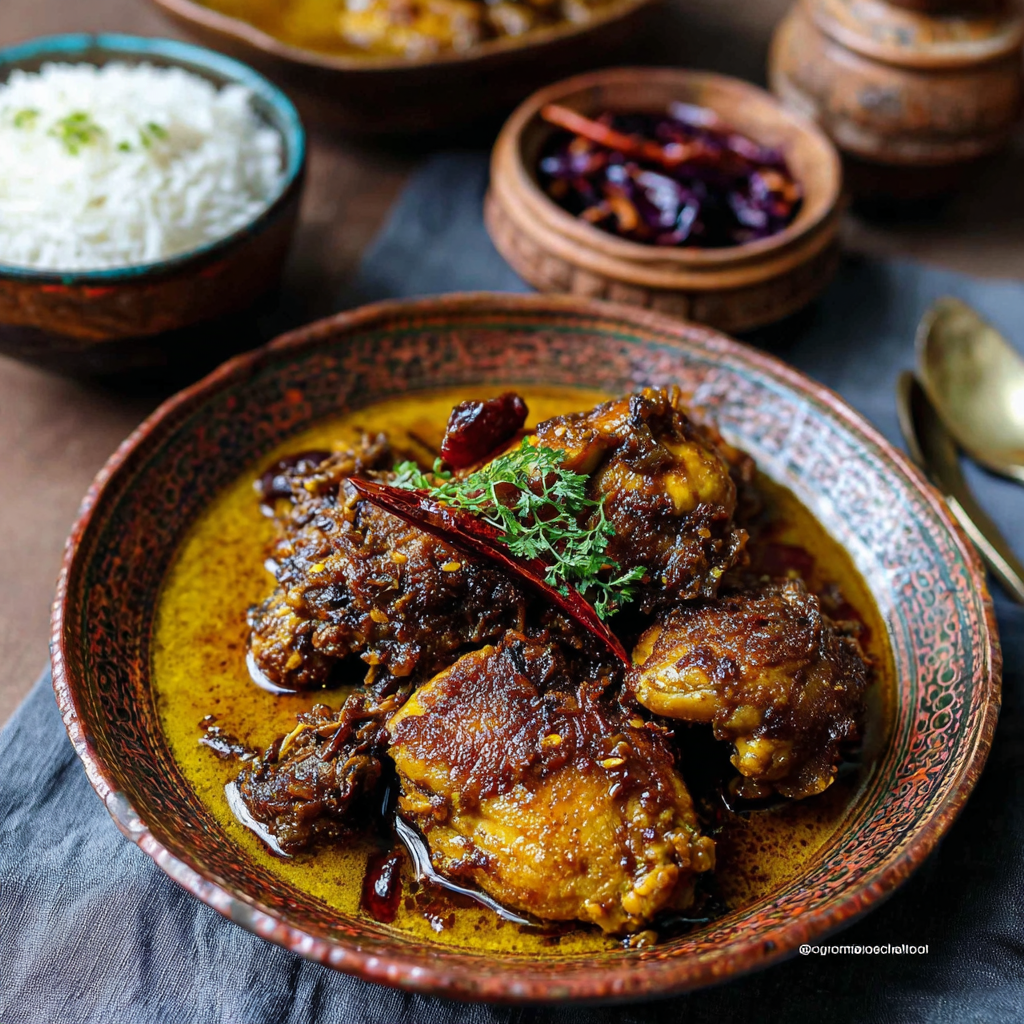
Chicken Kapitan, or Ayam Kapitan, is a vibrant dish that embodies the rich culinary heritage of Southeast Asia. It is a Malaysian-style curry, known for its unique blend of spices, aromatic coconut milk, and tender chicken, creating an unforgettable flavor experience.
Traditionally associated with the Peranakan culture, this curry has evolved over the years, yet it maintains its essential components – spices, coconut, and a hint of tang that tantalizes the palate. The dish exemplifies the beautiful fusion of flavors that can only come from Malaysia's diverse culinary landscape.
For home cooks eager to expand their repertoire, Chicken Kapitan presents a wonderful opportunity to explore the interplay of spices, while delivering a comforting meal that can be made for both casual dinners and special occasions.
Ingredients
- 1 kg chicken, cut into pieces
The chicken serves as the main protein in this dish. Using bone-in pieces helps enrich the curry with depth of flavor during cooking. - 200 ml coconut milk
Coconut milk brings a creamy richness essential to the curry, balancing the spices and giving the dish its signature velvety texture. - 2 tablespoons vegetable oil
Oil is used for sautéing the spice paste and cooking the chicken. It allows the flavors to develop and meld together seamlessly. - 1 large onion, chopped
Onion enhances the base flavor of the curry. It caramelizes as it cooks, providing sweetness that offsets the heat of the spices. - 4 cloves garlic, minced
Garlic adds a robust flavor profile, improving the aromatic glee of the dish while also contributing to its overall complexity. - 1 thumb-sized piece of ginger, minced
Ginger contributes a warm spice, elevating the flavor while helping to tenderize the chicken. - 2 tablespoons red curry paste
This primary flavoring ingredient introduces heat and a rich umami flavor, tailored to your taste preferences. - 1 tablespoon tamarind paste
Tamarind gives a tangy note, balancing the richness of the coconut and adding a delightful zing to the dish. - 2 teaspoons sugar
A touch of sugar rounds off the flavors, harmonizing the curry's savory, sour, and sweet components. - Salt to taste
Salt enhances all other flavors in the dish, ensuring a well-seasoned and balanced curry. - Fresh cilantro for garnish
Cilantro adds a fresh, herbal note and a pop of color to the final presentation, brightening the dish.
Directions & Preparation
Step 1: Heat the oil in a large pot over medium heat.
Starting with oil in the pot is crucial for sautéing and developing the base flavors. Let the oil reach the right temperature before proceeding to the next step, ensuring it doesn’t smoke.
Step 2: Add the chopped onion and sauté until translucent.
Cooking the onion down until it's translucent softens its sharpness and sweetness, laying the groundwork for the complex flavors to come.
Step 3: Stir in the minced garlic and ginger, cooking for another minute.
Adding garlic and ginger at this stage infuses the oil with their fragrances. You want to avoid burning these aromatics, which can happen quickly.
Step 4: Mix in the red curry paste and sauté until fragrant.
At this point, cooking the curry paste releases its essential oils and aromas, deepening the flavor base of your curry before adding the primary ingredients.
Step 5: Add the chicken pieces and cook until lightly browned.
Browning the chicken develops a flavorful crust on the surface, sealing in juices and ensuring a tender result once it simmers.
Step 6: Pour in the coconut milk and stir to combine.
Once the coconut milk is added, it begins to meld with the spices and chicken. This incorporation creates the signature smooth texture of Chicken Kapitan.
Step 7: Incorporate tamarind paste, sugar, and salt; stir well.
Balancing the flavors is key. The tamarind adds acidity, the sugar sweetens, and salt enhances all the flavors for an exciting taste experience.
Step 8: Cover the pot and let it simmer for 30 to 40 minutes, until chicken is tender.
Simmering on low heat allows the chicken to cook through while absorbing all the intricate flavors. It’s essential to keep the lid on to retain steam and moisture.
Step 9: Taste and adjust seasoning as necessary.
This is your opportunity to ensure the dish meets your flavor preferences. Adjusting seasoning at the end can elevate the dish further.
Step 10: Serve hot, garnished with fresh cilantro.
Presentation matters; a sprinkle of cilantro adds freshness and bright color. Serve with rice or bread to complete the meal.

Crafting the Perfect Curry Paste
Making your own curry paste can significantly enhance the flavor of Chicken Kapitan. Freshly ground spices provide aromatic freshness that pre-packaged variations often lack. Incorporating ingredients like lemongrass or kaffir lime leaves can also introduce unique undertones that elevate the dish beyond traditional expectations. Always toast the spices lightly before grinding to unlock their full flavor potential.
Balancing Flavors for a Harmonious Dish
A successful Chicken Kapitan lies in the balance of flavors. The richness from coconut milk needs the brightness of tamarind or lime to shine. Adjusting each component helps create a deep, layered profile. If your curry leans too sweet or too sour, small increments can dramatically transform it, fostering a complex and satisfying culinary experience that resonates with your taste.
Serving Suggestions: Pairing Your Curry
Chicken Kapitan is versatile when it comes to pairings. Traditional accompaniments include fragrant Jasmine rice or roti for mopping up that luscious sauce. Moreover, fresh cucumber salad or a tangy pickled vegetable side can enhance the meal, providing contrasting textures and flavors that complement the curry’s richness.
FAQs
What can I do if the curry is too thick after cooking?
If your curry is thicker than desired, add a splash of water or additional coconut milk, stirring until the consistency reaches your preference.
What if my Chicken Kapitan turns out too spicy for my liking?
To reduce the heat, add extra coconut milk or a bit of sugar to mellow the spiciness, balancing out the flavors.
Can I use vegetable protein instead of chicken?
Absolutely! Tofu or tempeh can be great substitutes in Chicken Kapitan, absorbing all the lovely flavors of the curry.
What if the flavors seem bland after cooking?
Taste and adjust seasoning with additional salt, sugar, or tamarind to enhance the overall flavor complexity and balance.
Is there a way to make this dish less rich?
You can opt for low-fat coconut milk or reduce the amount used in the recipe, balancing it with extra spices to maintain flavor.
What should I do if the chicken is overcooked?
Overcooked chicken can become dry; to salvage it, mix shredded chicken back into the curry, which can help moisten it with residual sauce.
Conclusion
Making Chicken Kapitan at home not only brings the vibrant flavors of Southeast Asia to your kitchen but also allows you to personalize this classic dish to your taste. Experimenting with ingredients can lead to delightful discoveries that resonate with you and your family.
As you serve the curry, you invite your guests to share in a comforting meal steeped in history and tradition. Each bite tells a story, one that celebrates the rich tapestry of culinary influences that shape this extraordinary dish.
Recipe Card
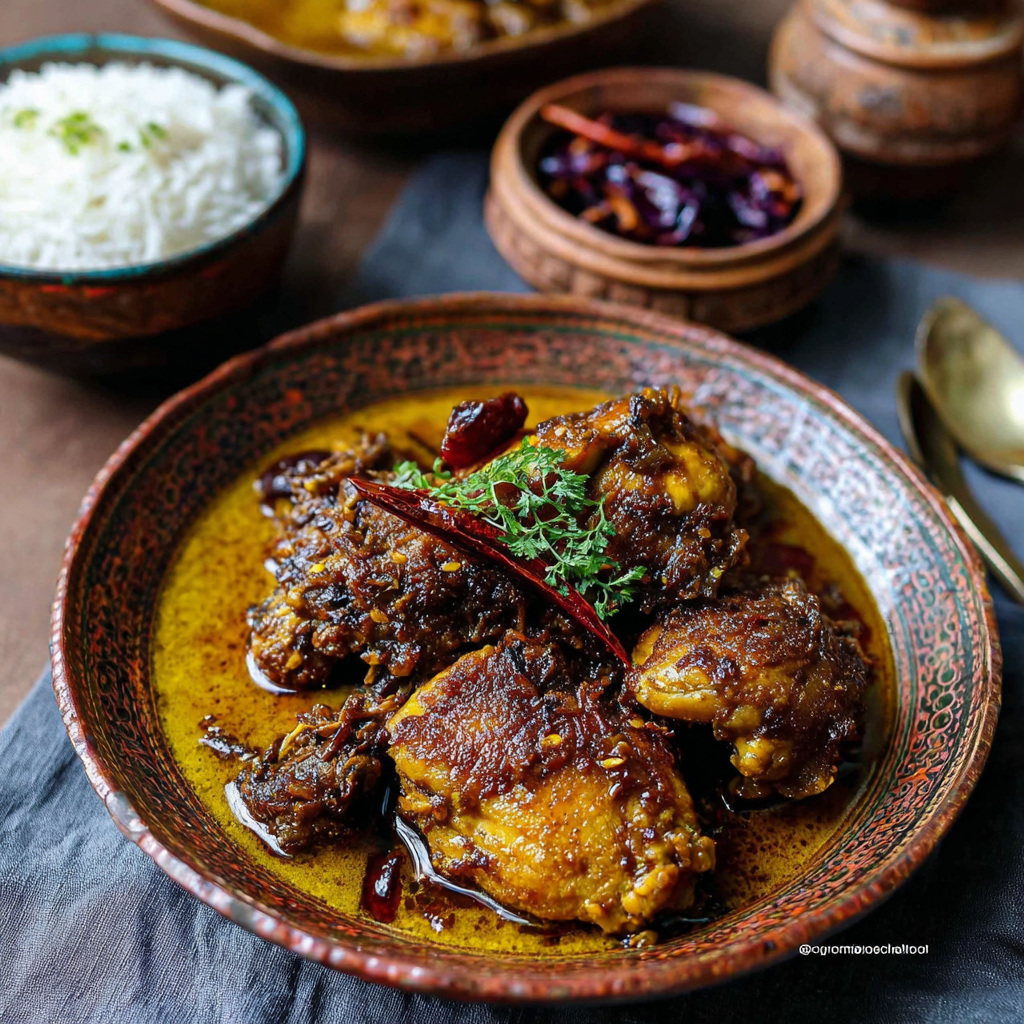
Exploring the Rich Flavors of Chicken Kapitan
Ingredients
Method
- Heat the oil in a large pot over medium heat.
- Add the chopped onion and sauté until translucent.
- Stir in the minced garlic and ginger, cooking for another minute.
- Mix in the red curry paste and sauté until fragrant.
- Add the chicken pieces and cook until lightly browned.
- Pour in the coconut milk and stir to combine.
- Incorporate tamarind paste, sugar, and salt; stir well.
- Cover the pot and let it simmer for 30 to 40 minutes, until chicken is tender.
- Taste and adjust seasoning as necessary.
- Serve hot, garnished with fresh cilantro.
Notes
Additional serving suggestions: pair with a crisp salad, garlic bread, or roasted seasonal vegetables for balance.
For make-ahead, prep components separately and assemble just before heating to preserve texture.
Taste and adjust with acid (lemon/vinegar) and salt right at the end to wake up flavors.