Introduction
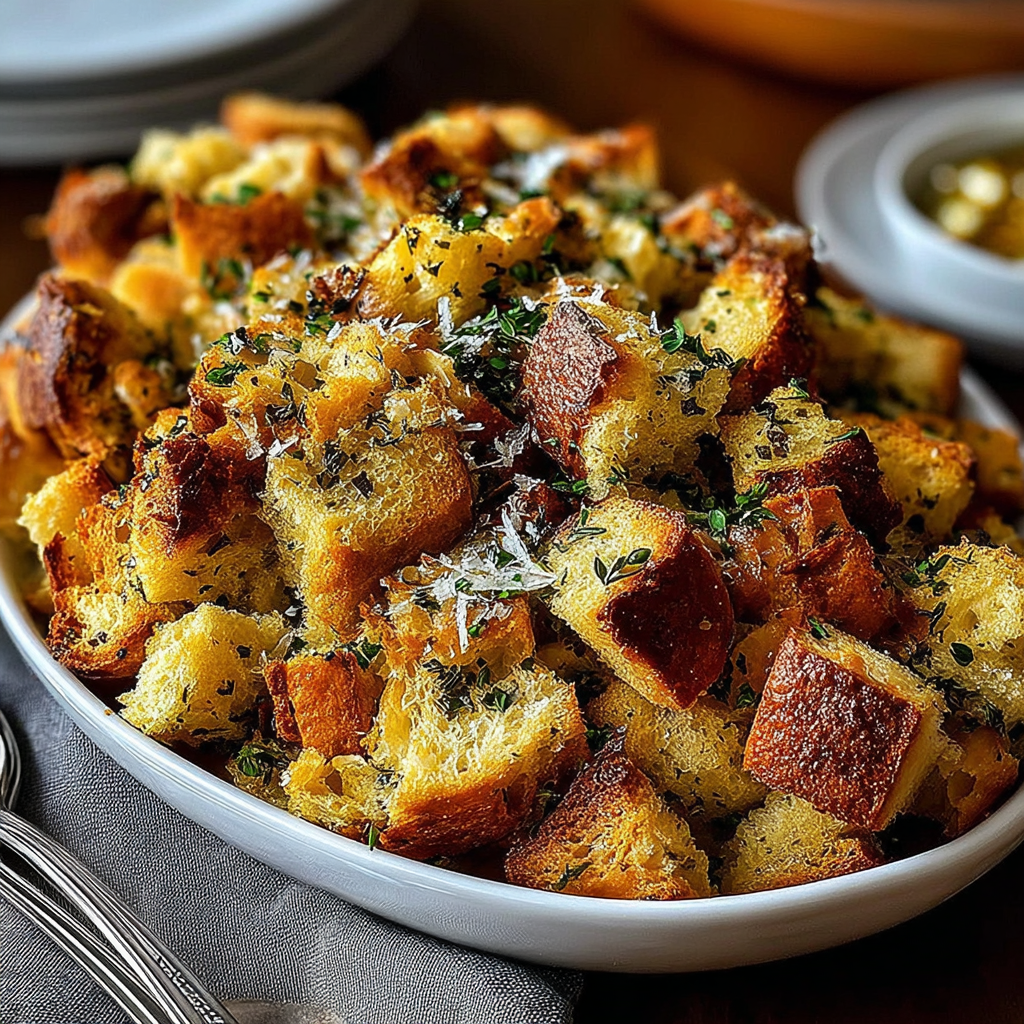
Homemade stuffing is a cherished tradition during the holidays, filling the home with a warm, savory aroma that evokes memories of family gatherings and joyous celebrations. This dish not only complements the main course but also serves as the heart of the meal, making it a must-have side dish on every holiday table.
Crafting your stuffing from scratch allows you to customize flavors and textures, ensuring that every bite is perfect for your palate. Whether you prefer a classic bread-based stuffing or something a bit more adventurous with add-ins, this guide will help you create a memorable dish that your loved ones will cherish.
In this article, we'll walk you through the essential ingredients, preparation techniques, and unique twists to make your homemade stuffing an unforgettable part of your holiday feast.
Ingredients
- 12 cups cubed day-old bread
Using day-old bread provides the perfect texture, allowing it to absorb the flavors of the broth without becoming mushy. Consider a mix of breads like sourdough and whole grain for added complexity. - 1 cup unsalted butter
Butter adds richness and flavor, enhancing the overall taste of the stuffing. It also helps in sautéing vegetables, ensuring they become tender and incorporate well into the bread. - 2 cups chopped onion
Onions contribute sweetness and depth to the stuffing. When sautéed, they caramelize slightly, releasing their natural sugars and adding a savory base. - 1 ½ cups chopped celery
Celery provides a crunchy texture that contrasts beautifully with the softness of the bread. Its fresh flavor also lightens the overall dish. - 3-4 cloves minced garlic
Garlic infuses the stuffing with aromatic qualities, elevating the flavor profile and complementing the other ingredients. - 2 cups low-sodium chicken or vegetable broth
Broth is crucial for hydrating the bread cubes and imparting flavor throughout the stuffing. Low-sodium options allow you to control the saltiness of the dish. - 1 tablespoon dried sage
Sage is a classic herb in stuffing, providing a warm, earthy aroma that pairs well with bread and other ingredients. Its distinct flavor is often associated with holiday meals. - 1 tablespoon dried thyme
Thyme adds a subtle earthiness and freshness that rounds out the overall flavor. It works well with the other herbs and provides a nice contrast to the richness of the butter. - 1 teaspoon salt
Salt enhances the flavors of all ingredients in the stuffing. Adjusting this to your taste and considering the broth's sodium content is important. - ½ teaspoon black pepper
Pepper introduces a mild heat that balances the dish. It provides a backdrop for the more prominent flavors without overwhelming the palate. - 1 ½ cups cooked sausage or mushrooms (optional)
Adding sausage or mushrooms introduces an extra layer of flavor and texture, making the stuffing heartier. These ingredients can also make the dish feel more gourmet. - 1 cup dried cranberries or apples (optional)
For a touch of sweetness, cranberries or apples can be added, balancing the savory elements and providing a burst of flavor in each bite.
Directions & Preparation
Step 1: Preheat your oven to 350°F (175°C).
Preheating your oven ensures that when the stuffing goes in, it cooks evenly. This is crucial for achieving a crispy top while keeping the interior moist.
Step 2: In a large skillet, melt the butter over medium heat. Add the chopped onion and celery, and sauté until softened, about 5-7 minutes.
Sautéing the onion and celery releases their flavors and allows them to soften, creating a delicious aromatic base for the stuffing. The golden color indicates they are ready.
Step 3: Add the minced garlic, sage, and thyme to the skillet, cooking for an additional 1-2 minutes until fragrant.
Garlic, sage, and thyme should be added after the onions and celery soften to prevent burning. This step ensures the essential oils are released without becoming bitter.
Step 4: In a large bowl, combine the cubed bread, sautéed vegetables, salt, and pepper. Toss gently to mix everything evenly.
Mixing the bread with the sautéed vegetables at this step helps each cube absorb the flavors. Be gentle to keep the bread from breaking apart.
Step 5: Pour in the broth gradually, stirring until the mixture is moist but not overly soggy. You want the bread to soak up enough liquid to bind without losing its texture.
Gradually adding broth allows for better control over moisture levels. This is crucial as adding too much can lead to a mushy stuffing.
Step 6: If using, fold in the sausage or mushrooms and dried fruits at this point, combining well.
Adding heartier ingredients like sausage or mushrooms enhances the stuffing's depth and complexity. Include fruits for a surprising note of sweetness.
Step 7: Transfer the mixture to a greased baking dish, spreading it evenly. Cover with foil and bake for 25 minutes.
Covering the dish initially helps trap steam, allowing the stuffing to cook through and stay moist. Use a lightly greased dish to prevent sticking.
Step 8: Remove the foil and bake for another 15-20 minutes to allow the top to brown and crisp.
This step adds texture, creating a delightful contrast between the crispy top and the soft interior. Keep an eye on the color to avoid burning.
Step 9: Once done, remove from the oven and let it cool for a few minutes before serving.
Allowing the stuffing to sit for a few moments helps the flavors meld and makes it easier to serve. Wait a bit to avoid burns.

Elevating Flavor with Fresh Herbs
Incorporating fresh herbs into your homemade stuffing can dramatically enhance its flavor profile. While dried herbs work well, fresh versions like parsley, rosemary, or even chives introduce a brightness that can uplift the dish. Chop them finely and add them just before mixing with your bread, allowing their aromatic qualities to infuse each bite.
Adding Crunch and Texture Variations
For those who enjoy diverse textures, consider adding nuts or seeds to your stuffing. Chopped pecans, walnuts, or even sunflower seeds can add a delightful crunch that contrasts beautifully with the softness of the bread. Just toast them lightly before adding to maximize their flavor – this small step goes a long way in elevating your stuffing.
A Sweet Touch for Balanced Flavor
Incorporating sweet elements like caramelized apples or dried apricots can create a delightful balance in your stuffing. This hint of sweetness pairs well with savory herbs and spices, offering a more complex flavor experience. Don’t hesitate to experiment with different fruits to discover your perfect combination that delights your taste buds.
FAQs
What should I do if my stuffing is too dry?
If your stuffing turns out dry, you can sprinkle more broth over the top and cover it with foil for a bit, allowing it to steam and regain moisture.
How can I adjust the seasonings if my stuffing tastes bland?
To enhance the flavor, try adding more herbs, a splash of Worcestershire sauce, or seasoning with a touch of salt and pepper to taste.
What if my stuffing is too wet?
If your stuffing becomes too wet, add more bread cubes to absorb the excess moisture. Mix gently to avoid breaking the cubes.
Can I scale this recipe up for a larger gathering?
Absolutely! Simply multiply the ingredients by the number of servings needed, and be sure to use a larger baking dish to accommodate the increased volume.
Is it okay to mix different types of breads for this recipe?
Yes, mixing various breads adds character and flavor to your stuffing. Just ensure they have a similar staleness for consistent absorption.
Can I use vegetable broth instead of chicken broth for this stuffing?
Yes, using vegetable broth is a great option if you want a vegetarian stuffing. It still provides a rich base of flavor without compromising on taste.
Conclusion
Creating homemade stuffing is not only about the ingredients but also the love and care you put into it. Each element, from the herbs to the bread choices, contributes to a dish that feels personal and warm.
As you gather with friends and family this holiday season, let your homemade stuffing take center stage. With its delightful combination of flavors and textures, it will surely become a favorite at your table for years to come.
Recipe Card
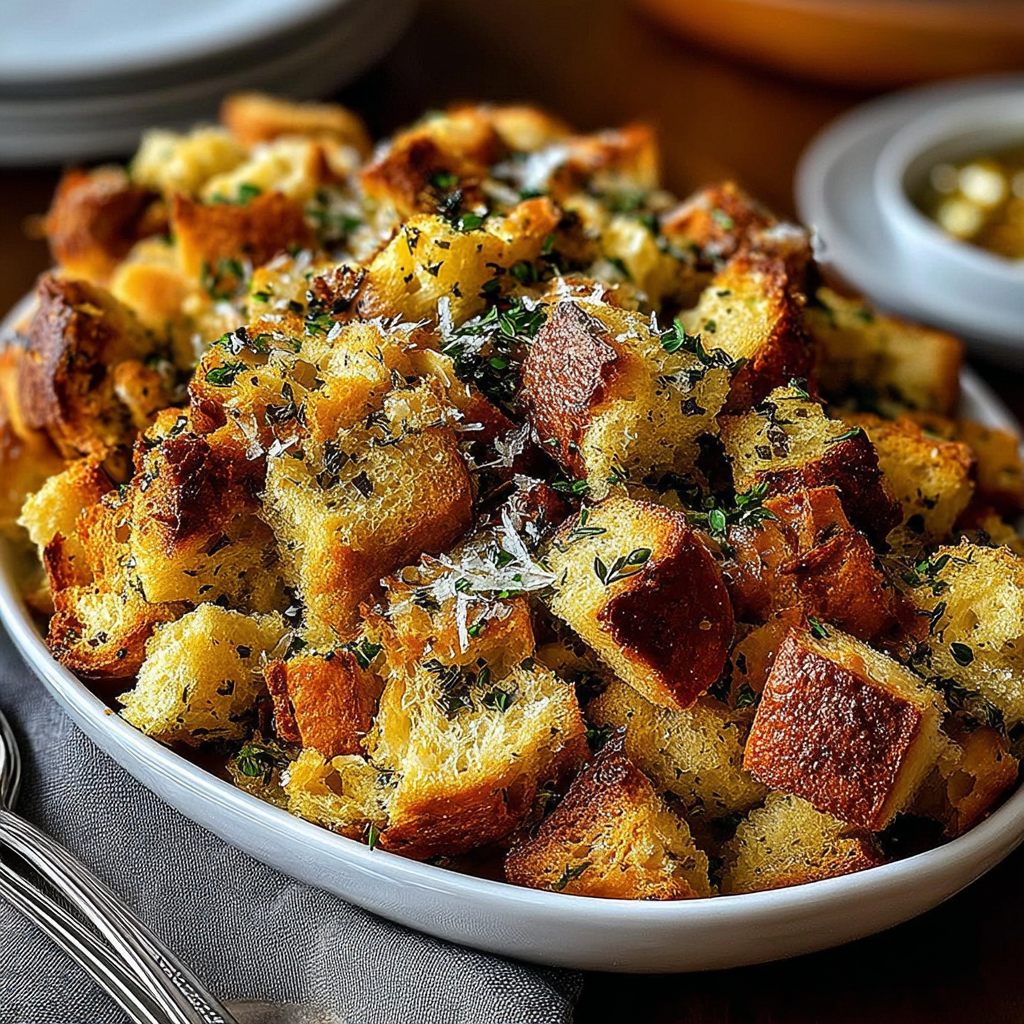
Homemade Stuffing That Brings Holiday Joy
Ingredients
Method
- Preheat your oven to 350°F (175°C).
- In a large skillet, melt the butter over medium heat. Add the chopped onion and celery, and sauté until softened, about 5-7 minutes.
- Add the minced garlic, sage, and thyme to the skillet, cooking for an additional 1-2 minutes until fragrant.
- In a large bowl, combine the cubed bread, sautéed vegetables, salt, and pepper. Toss gently to mix everything evenly.
- Pour in the broth gradually, stirring until the mixture is moist but not overly soggy. You want the bread to soak up enough liquid to bind without losing its texture.
- If using, fold in the sausage or mushrooms and dried fruits at this point, combining well.
- Transfer the mixture to a greased baking dish, spreading it evenly. Cover with foil and bake for 25 minutes.
- Remove the foil and bake for another 15-20 minutes to allow the top to brown and crisp.
- Once done, remove from the oven and let it cool for a few minutes before serving.
Notes
Additional serving suggestions: pair with a crisp salad, garlic bread, or roasted seasonal vegetables for balance.
For make-ahead, prep components separately and assemble just before heating to preserve texture.
Taste and adjust with acid (lemon/vinegar) and salt right at the end to wake up flavors.