Introduction
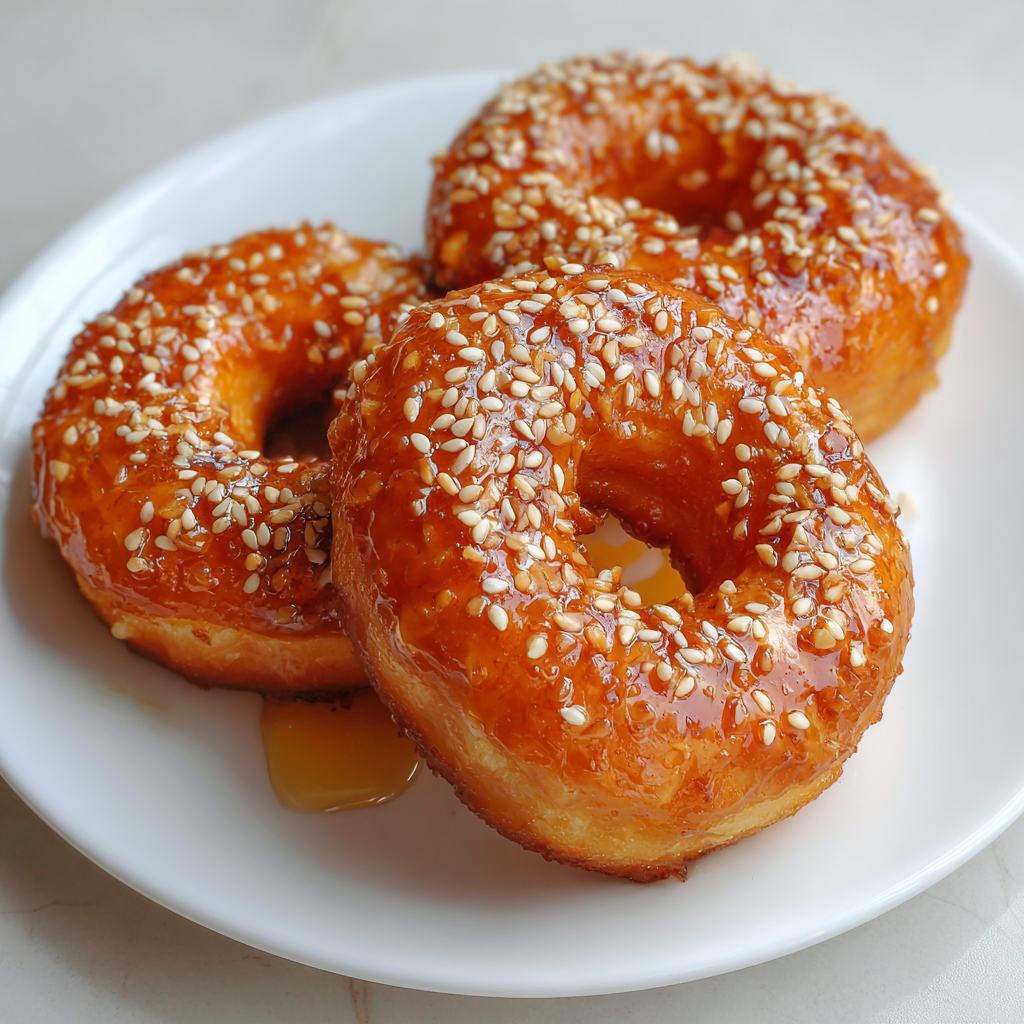
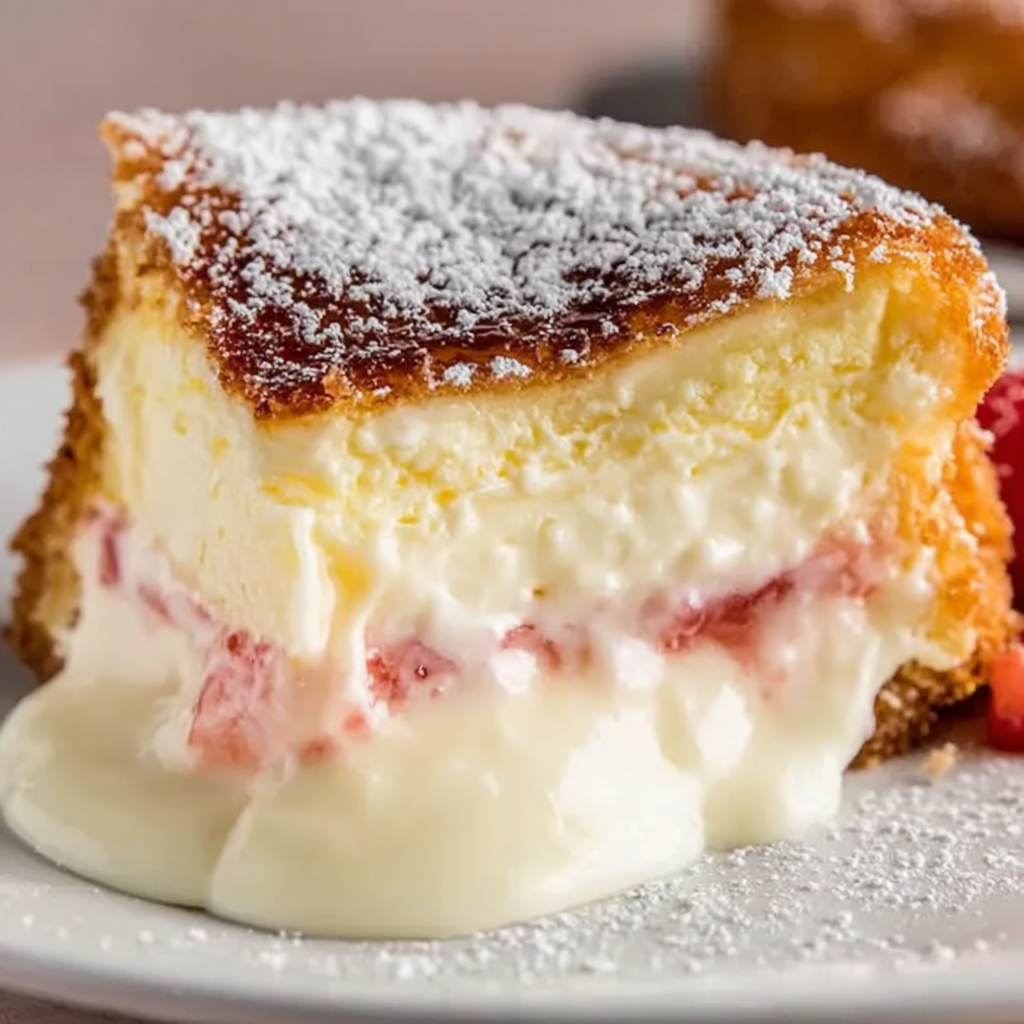
There's something undeniably indulgent about combining a classic dessert with a bit of crunch. Deep fried cheesecake takes the creamy richness of traditional cheesecake and wraps it in a crispy, golden exterior. It’s a delightful treat that invites you to savor the contrasts of texture and flavor.
Imagine a warm, crispy shell giving way to a smooth and velvety cheesecake filling. This dessert isn't just a feast for the palate; it’s also a feast for the senses. Perfect for parties, family gatherings, or simply a special dessert at home, deep fried cheesecake is an irresistible option that will impress anyone lucky enough to sample it.
Ingredients
- 8 oz cream cheese, softened
Cream cheese forms the backbone of the cheesecake filling, providing its characteristic tangy flavor and creamy texture. The softness is crucial for easy mixing. - 1/2 cup granulated sugar
Sugar sweetens the cheesecake filling, balancing the tanginess of the cream cheese. It also helps to create a smooth consistency when dissolved. - 1/4 cup sour cream
Adding sour cream contributes to the creaminess and adds a subtle tang that enhances flavor. It also helps lighten the cheesecake's texture. - 1 tsp vanilla extract
Vanilla extract lends a warm, aromatic flavor to the cheesecake, enhancing its overall taste profile. - 1 large egg
An egg binds the ingredients together and provides structure to the filling as it sets during frying, ensuring a creamy yet stable center. - 2 cups all-purpose flour
Flour is the primary ingredient for the coating, providing the structure needed for a crunchy exterior that contrasts beautifully with the soft filling. - 1 cup milk
Milk helps create a batter consistency that can perfectly coat the cheesecake bites, ensuring an even golden crust when fried. - 1 tsp baking powder
Baking powder adds leavening to the batter, resulting in a lighter, fluffy coating that enhances the texture of the fried exterior. - 1/2 tsp salt
Salt adds depth to the flavor of the batter and balances the sweetness of the dessert. - Vegetable oil, for frying
Oil is essential for frying; it should be hot enough to cook the coating quickly, giving it a crispy texture without absorbing too much oil. - Powdered sugar, for dusting
Powdered sugar provides a finishing touch, enhancing the dessert's visual appeal and adding a subtle sweetness when gusted over the fried cheesecake.
Directions & Preparation
Step 1: Prepare the cheesecake filling.
Start by combining softened cream cheese, sugar, sour cream, vanilla extract, and egg in a mixing bowl. Beat the mixture until it's smooth and creamy, with no lumps. This is a critical step because the quality of the cheesecake filling directly impacts the final dessert. Ensuring a homogenous filling helps to achieve that melt-in-your-mouth texture.
Step 2: Chill the cheesecake filling.
Transfer the filling to a parchment-lined dish and freeze for about 2 hours until firm yet not completely frozen. Chilling is essential; it allows the filling to firm up, making it easier to cut into uniform squares or circles for frying. If the filling is too soft, it will ooze out during the frying process, making a mess.
Step 3: Make the batter.
In a separate bowl, mix flour, baking powder, salt, and milk until smooth. The batter should be thick enough to coat the cheesecake pieces without dripping off entirely. This step is crucial for achieving that desirable crispy exterior. Adjust the milk slightly if the batter seems too thick or too thin, ensuring adherence during frying.
Step 4: Heat the oil.
In a deep skillet or pot, heat the vegetable oil over medium-high heat until it reaches 350°F (175°C). This temperature is key for frying, as it ensures that the cheesecake gets a nice, crispy coating while preventing it from absorbing too much oil. Use a thermometer for accuracy, ensuring a controlled and evenly fried dessert.
Step 5: Coat the cheesecake pieces.
Cut the chilled cheesecake into desired shapes—squares or circles—and dip each piece into the batter, making sure to coat fully. A well-coated cheesecake ensures an even crust during frying, which contributes to the contrasting texture. Be cautious of excess batter; it should not be too thick as it can affect frying time and texture.
Step 6: Fry the cheesecake.
Carefully place the battered cheesecake bites into the hot oil, frying in batches to avoid overcrowding. Fry until golden brown and crispy on all sides, roughly 2-3 minutes per side. Timing is crucial here—overcooking can lead to a greasy, chewy texture. Pay close attention, flipping them gently for even browning.
Step 7: Drain and dust.
Once golden and cooked, remove the cheesecake bites with a slotted spoon and drain them on paper towels. Dust generously with powdered sugar while they're still warm. This helps the sugar adhere better and enhances the presentation. Serve immediately for the best texture and flavor.

Secrets to the Perfect Crispy Coating
Achieving the ideal crispy exterior is key to a successful deep fried cheesecake. Ensure your oil is hot enough—about 350°F—before adding the battered cheesecake to achieve a quick golden finish. The batter’s thickness also matters; it should cling to the cheesecake without being overly thick. Remember, the right balance creates a delightful crunch that contrasts with the creamy filling.
Flavor Variations to Explore
While the classic deep fried cheesecake offers a wonderful experience, feel free to experiment with flavors! Consider incorporating chocolate into the batter or adding spices such as cinnamon or nutmeg to the cheesecake filling. You can also explore different toppings—try fresh fruit, caramel, or even a drizzle of chocolate sauce for a unique twist that personalizes your dessert.
Pairing Your Deep Fried Cheesecake
Deep fried cheesecake is delicious on its own, but it can be elevated with the right pairings. Serve it alongside a scoop of ice cream for a contrasting temperature experience, or with fresh berries to add a bit of tartness. These additions not only enhance flavor but also create an appealing presentation that will impress any guest.
FAQs
What should I do if my cheesecake filling is too soft?
If your cheesecake filling is too soft after mixing, a brief chill in the fridge can help firm it up. Ensure it's thoroughly chilled before cutting.
Can I scale the recipe for a larger batch?
Absolutely! Simply double or triple the ingredient quantities, ensuring you have a sufficient frying space to maintain proper oil temperature.
What if my frying batter isn't sticking?
If the batter isn't adhering, ensure your cheesecake pieces are cold, and try gently patting them with flour before dipping in the batter.
How can I tell if my cheesecake bites are done frying?
They should be golden brown and floating to the surface. A quick poke can also reveal a crisp outer layer. Overcooking may lead to a greasy texture.
Are there alternatives to powdered sugar for dusting?
You can also try cinnamon sugar or cocoa powder for a different flavor profile while still appealing visually.
Can I use different types of cheese for the filling?
While cream cheese is traditional, mixing in mascarpone or ricotta can create unique flavors and textures, just ensure overall creaminess.
Conclusion
Deep fried cheesecake is an exciting twist on a classic dessert that combines the best of both worlds. Its crunchy exterior envelops the rich, creamy filling, making each bite a delightful experience.
Whether you’re serving it at a family gathering or enjoying a sweet treat on your own, this recipe is sure to impress. With a few simple steps, you can create a dessert that’s not only delicious but also visually appealing.
Recipe Card
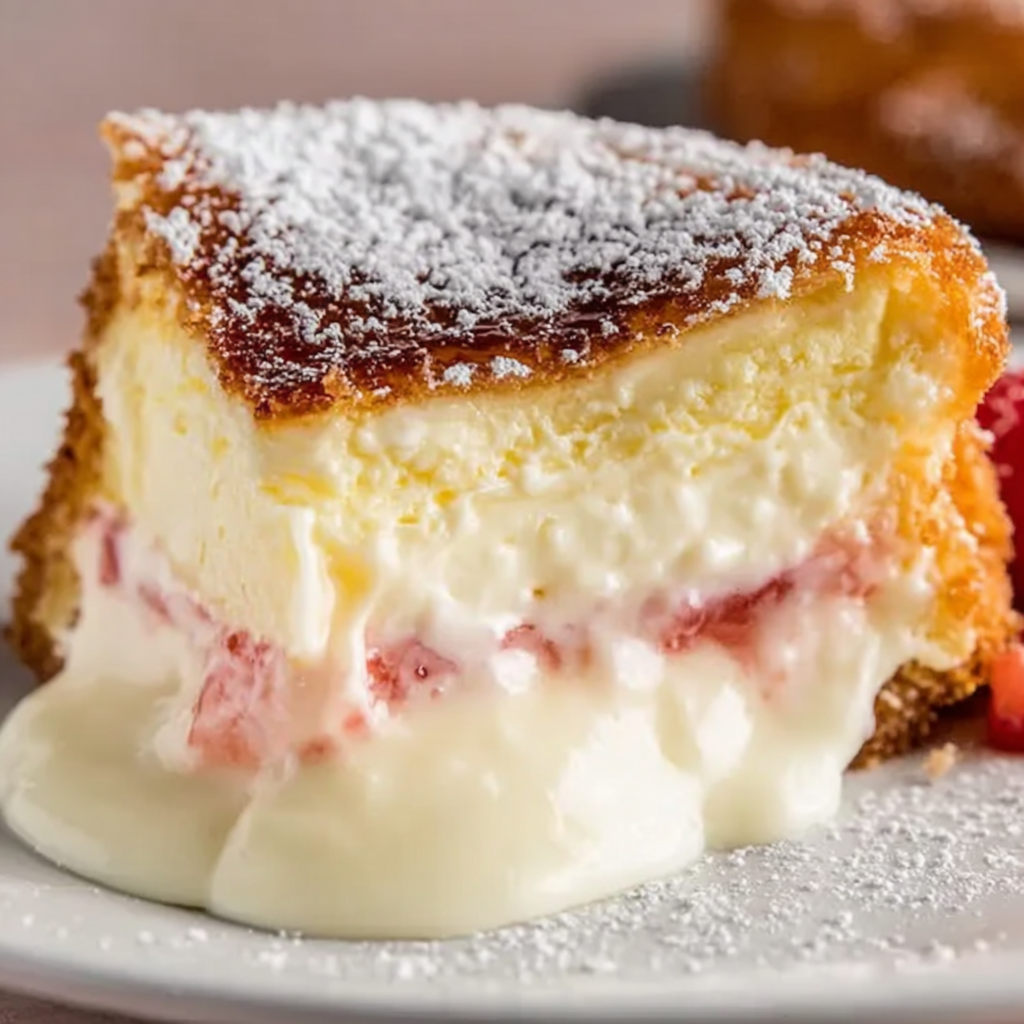
Indulge in the Decadence of Deep Fried Cheesecake
Ingredients
Method
- Prepare the cheesecake filling.
- Chill the cheesecake filling.
- Make the batter.
- Heat the oil.
- Coat the cheesecake pieces.
- Fry the cheesecake.
- Drain and dust.
Notes
Additional serving suggestions: pair with a crisp salad, garlic bread, or roasted seasonal vegetables for balance.
For make-ahead, prep components separately and assemble just before heating to preserve texture.
Taste and adjust with acid (lemon/vinegar) and salt right at the end to wake up flavors.