Introduction
The tradition of smoking brisket is a time-honored practice that brings out rich flavors and tender textures. For many, it represents an art form, melding technique and passion to create a dish that can impress on any occasion. Whether you are cooking for a backyard barbecue or a family gathering, smoked brisket is a centerpiece that never fails to delight.
Smoking brisket takes patience and care, but the delicious rewards are well worth the effort. This rich cut of meat benefits from low and slow cooking, allowing the smoky essence to penetrate and enhancing its natural juiciness. With a few key ingredients and some handy tips, you can achieve a mouthwatering brisket that will have your guests coming back for seconds.
Ingredients
- 4-5 lbs whole brisket, trimmed
Choose a whole brisket, ideally the point cut or flat, as they hold moisture and flavor during smoking. Trim excess fat to prevent flare-ups but leave enough to keep the meat juicy. - 2 tbsp kosher salt
Salt is essential for flavor and helps to draw moisture out of the meat during curing. A coarse salt, like kosher, ensures an even distribution and a balanced taste. - 1 tbsp black pepper
Black pepper adds a subtle heat and complexity to your seasoning. It complements the brisket without overpowering its natural flavor, creating a well-rounded profile. - 1 tbsp garlic powder
Garlic powder infuses the brisket with a savory depth. Its concentrated flavor permeates the meat, enhancing the overall taste without the pungency of fresh garlic. - 1 tbsp onion powder
Onion powder contributes a mild sweetness and savory note to the bark of the brisket. It works harmoniously with garlic and pepper for a balanced rub. - Wood chips (hickory, oak, or mesquite)
The choice of wood chips is critical in determining the flavor profile of the smoked brisket. Hickory and oak provide a robust flavor, while mesquite adds a distinctive, stronger taste. - 1 cup beef broth
Using beef broth during the cooking process keeps the meat moist while adding an additional layer of flavor. It’s particularly useful if the brisket seems to dry out.
Directions & Preparation
Step 1: Prepare the brisket by trimming and seasoning it.
Begin by trimming excess fat from the brisket, leaving about a quarter-inch layer. This fat layer helps retain moisture during the smoking process. Next, mix salt, pepper, garlic powder, and onion powder. Generously rub this seasoning all over the brisket, ensuring an even coating. Allow it to sit for at least one hour or, ideally, overnight in the refrigerator for the best flavor absorption.
Step 2: Soak wood chips in water for at least 30 minutes.
Soaking wood chips in water helps to slow their burning during the smoking process, allowing them to smolder instead of flare up. Choose your wood based on the flavor you desire; hickory for a classic taste, mesquite for a stronger flavor, or oak for a balanced smoke. After soaking, drain the chips and set them aside until ready to use.
Step 3: Preheat your smoker to 225°F (107°C).
A consistent temperature is key for smoking brisket. Preheat your smoker to 225°F, using either a charcoal or electric smoker. This low temperature ensures that the brisket cooks evenly, allowing the connective tissues to break down properly, resulting in a tender finished product. Aim for a steady smoke flow to infuse flavor into the meat.
Step 4: Place the brisket in the smoker and add wood chips.
Once your smoker is at the desired temperature, place the brisket fat-side up on the grill grates. This position helps the fat render down, basting the meat in flavor. Add a handful of soaked wood chips to the smoker box or directly on the coals, depending on your smoker type. Keep an eye on the smoke; you want a thin, light smoke, not billowing clouds.
Step 5: Smoke the brisket for 6-8 hours.
Smoking times can vary based on the size of the brisket and the smoker’s efficiency. Every hour or so, check on the internal temperature with a meat thermometer. Aim for an internal temperature of around 195°F to 205°F for the most tender meat. If you notice the brisket getting too dark, you can wrap it in butcher paper or foil to prevent burning.
Step 6: Baste with beef broth during the smoking process.
Every couple of hours, baste the brisket with beef broth using a basting brush or spray bottle. This not only adds moisture but also contributes additional flavor as the brisket continues to cook. Maintaining moisture is especially important to achieve the tender, juicy texture characteristic of smoked brisket.
Step 7: Let the brisket rest before slicing.
Once the brisket reaches the desired internal temperature, remove it from the smoker and wrap it in foil to keep warm. Letting it rest for at least 30 minutes allows the juices to redistribute throughout the meat, making every bite succulent and flavorful. Resist the temptation to slice too soon; patience here will reward you with the ultimate brisket experience.
Step 8: Slice against the grain and serve.
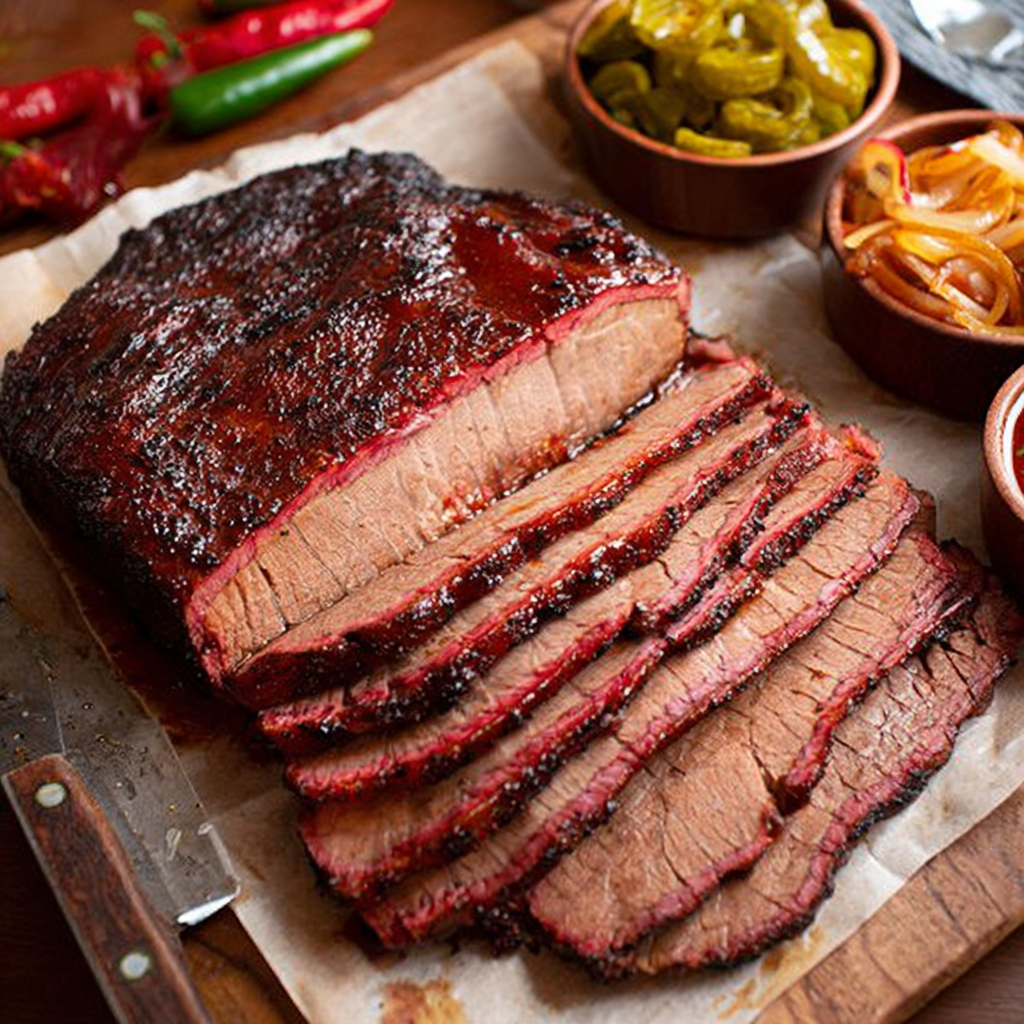
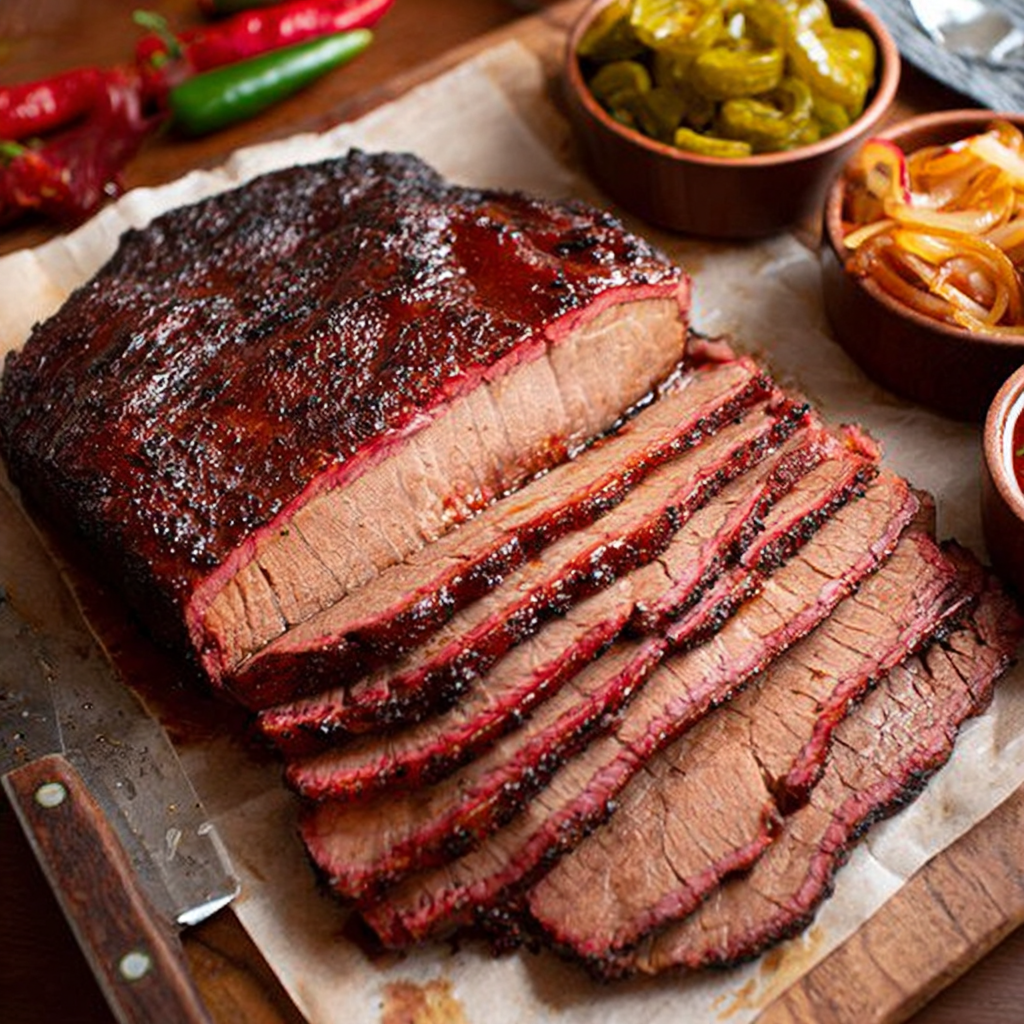
After resting, locate the direction of the grain in the brisket. Slicing against the grain is essential for tender pieces, as it shortens the muscle fibers. A sharp knife will help achieve clean cuts. Serve the sliced brisket with your favorite sides, or simply enjoy it as is to fully appreciate the smoky flavor and tender texture.

Choosing the Perfect Brisket
Selecting the right cut of brisket is vital for achieving exceptional flavor and tenderness. Look for briskets with a good marbling of fat, which not only helps keep the meat moist during cooking but also adds depth to the final flavor. Shopping at a butcher shop allows for better choices; don't hesitate to ask for recommendations on cuts that are most suitable for smoking.
Understanding Bark Formation
The outer layer of the brisket, known as bark, is formed during the smoking process through a combination of seasoning, fat rendering, and the Maillard reaction. A good bark adds both texture and flavor, providing a delicious contrast to the tender meat inside. Keeping the temperature steady and controlling your smoke will help develop that coveted crust. Remember, a great bark takes time and should be nurtured during the cooking process.
Exploring Flavor with Wood Types
Different types of wood provide unique flavors that can elevate your brisket to new levels. Hickory delivers a strong, sweet flavor, perfect for traditional brisket lovers, while mesquite can offer a more assertive smoke taste that might dominate the meat's natural flavors. Experimenting with different wood types or blending them can also yield intriguing flavor profiles that adapt to your personal culinary style.
FAQs
What if my brisket feels too tough after smoking?
If the brisket is tough, it may not have cooked long enough. Monitor the internal temperature to ensure it reaches at least 195°F for tenderness. Consider wrapping it in foil and continuing to smoke it until it softens.
Can I scale this recipe down for a smaller brisket?
Yes, you can adjust the seasonings proportionately based on the weight of the brisket. Maintain the same cooking technique and temperature, but be mindful that smaller cuts may require less cooking time.
What can I do if the flavor is too bland?
If you find the brisket lacks flavor, consider amplifying the rub by adding more salt, pepper, or spices to your rub mixture before applying it. You might also increase the amount of beef broth used during basting.
How do I achieve a consistent smoke flavor in my brisket?
To maintain consistent smoke flavor, ensure a steady, thin stream of smoke throughout the cooking process. Avoid letting the smoker get too hot, as heavier smoke can create bitter flavors. Monitoring wood chip usage is essential.
What if the bark on my brisket is too dark?
If the bark darkens too much before the brisket is done, wrap it in butcher paper or foil to protect it from direct heat, allowing the meat to continue cooking without further darkening the bark.
Can I add different spices to my rub?
Absolutely! Feel free to get creative with spices like smoked paprika, cumin, or even a bit of cayenne for added heat. Adjust to your taste preferences, but ensure the overall balance of flavors remains harmonious.
Conclusion
Creating a smoked brisket is an enriching culinary journey that can elevate any meal. With dedication to technique and attention to detail, you will achieve a gloriously smoky, tender piece of meat that dazzles both the palate and the senses. Celebrate your successes and strive for personal perfection with every cook.
As you hone your skills and explore different flavor combinations, remember that the joy of cooking lies not just in the end result but in the process itself. Embrace the journey, keep learning, and let your love for smoked brisket grow with each experience.
Recipe Card
Mastering the Art of Smoked Brisket at Home
Ingredients
Method
- Prepare the brisket by trimming and seasoning it.
- Soak wood chips in water for at least 30 minutes.
- Preheat your smoker to 225°F (107°C).
- Place the brisket in the smoker and add wood chips.
- Smoke the brisket for 6-8 hours.
- Baste with beef broth during the smoking process.
- Let the brisket rest before slicing.
- Slice against the grain and serve.
Notes
Additional serving suggestions: pair with a crisp salad, garlic bread, or roasted seasonal vegetables for balance.
For make-ahead, prep components separately and assemble just before heating to preserve texture.
Taste and adjust with acid (lemon/vinegar) and salt right at the end to wake up flavors.