
Introduction
Swiss steak is a timeless classic that evokes the nostalgia of home-cooked meals, filled with comfort and warmth. This dish, characterized by its succulent, tender beef, has delighted families for generations, making it a staple in many households. Its rich gravy, combined with the flavors of vegetables, transforms a humble cut of meat into a hearty feast.
As you dive into the delightful world of Swiss steak, you'll discover that its charm lies in simplicity, allowing each ingredient to shine. The slow cooking process breaks down the toughness of the meat, ensuring every bite is meltingly tender. Get ready to bring a taste of the past into your kitchen, celebrating both tradition and flavor.
Ingredients
- 2 lbs top round steak, sliced into 1-inch pieces
Top round steak is a lean cut typically used for braising. It becomes incredibly tender when cooked slowly, absorbing the flavors of the gravy. - 1/4 cup all-purpose flour
This flour is used to coat the steak, helping to create a delicious crust and thicken the gravy as it cooks. - 1 tablespoon salt
Salt is essential for enhancing flavors. It draws moisture out of the meat, helping to create a flavorful crust during browning. - 1 teaspoon black pepper
Pepper adds a subtle heat and depth to the dish, balancing the richness of the gravy. - 2 tablespoons vegetable oil
Vegetable oil is used for searing the steak, providing a high smoke point that helps develop a rich color and flavor. - 1 medium onion, chopped
Onions contribute sweetness and umami to the dish, serving as a flavorful base for the gravy. - 2 carrots, sliced
Carrots add natural sweetness and a hint of earthiness, complementing the savory notes of the steak. - 2 celery stalks, sliced
Celery brings a refreshing crunch and aromatic qualities, enhancing the overall flavor of the dish. - 2 cups beef broth
Beef broth is the heart of the gravy, imparting richness and depth of flavor as it slowly cooks with the steak. - 1 tablespoon Worcestershire sauce
This sauce enhances the savory flavor profile of the dish, adding complexity and a hint of tang. - 1 teaspoon dried thyme
Thyme introduces an herbal note, complementing the beef and vegetables beautifully. - 1 bay leaf
Bay leaves add a subtle aromatic flavor that deepens as the dish simmers.
Directions & Preparation
Step 1: Prepare the steak by seasoning with salt and pepper.
Start by generously seasoning the steak pieces. This step is crucial for bringing out the flavor of the meat as it cooks. Allow the seasoned steak to sit for a few minutes, which enables the salt to penetrate, enhancing the taste.
Step 2: Dredge the steak in flour, shaking off excess.
Dredging the seasoned steak in flour forms a light crust that will help in browning and thickening the gravy. This step is essential as it creates a nice texture on the meat, contributing to the overall mouthfeel of the dish.
Step 3: Heat oil in a large skillet over medium-high heat.
Heating the oil properly is important to achieve a good sear on the steak. The oil should be shimmering, indicating it’s hot enough for browning. This Maillard reaction is key to building flavor.
Step 4: Sear the steak pieces for 3-4 minutes on each side until browned.
Searing is where the magic happens—the steak develops a deep brown crust that enhances its savory flavor. Make sure not to overcrowd the pan; this ensures even cooking and browning.
Step 5: Remove the browned steak from the skillet and set aside.
Once browned, set the steak pieces aside to prevent overcooking. This step also allows the residual fat and fond (the browned bits) in the pan to add depth to the gravy when vegetables are cooked.
Step 6: In the same skillet, add onions, carrots, and celery.
Adding vegetables to the skillet allows them to absorb the flavors from the seared meat, resulting in a more infused gravy. Sauté until the vegetables soften, which usually takes about 5-7 minutes.
Step 7: Add beef broth, Worcestershire sauce, thyme, and bay leaf; stir to combine.
This step brings all the elements together into a cohesive sauce. The broth serves as the base for the gravy, while Worcestershire sauce and herbs offer layers of flavor that meld perfectly with the beef.
Step 8: Return the steak to the skillet, ensuring it’s submerged in the liquid.
Reintroducing the seared steak into the pot allows it to absorb the flavors of the broth and vegetables, becoming tender as it cooks. This is where the dish transforms into a hearty meal.
Step 9: Bring to a gentle simmer, then cover and reduce heat to low.
Simmering the dish allows the beef to tenderize over time. Covering the pan helps to retain moisture and heat, ensuring even cooking and juicy results.
Step 10: Cook for 1.5 to 2 hours, checking occasionally.
This long, slow cooking time not only makes the steak tender but also allows flavors to meld beautifully. Stir occasionally to prevent sticking and check the liquid level; it should remain somewhat saucy.
Step 11: Remove the bay leaf and adjust seasoning as needed before serving.
Removing the bay leaf is important, as it can leave an unpleasant flavor if consumed. This final adjustment allows you to tailor the seasoning to your taste, ensuring the dish is perfectly balanced.

Secrets to Perfectly Tender Steak
Achieving tender steak in Swiss steak relies on the cooking method rather than the cut you choose. While top round steak is commonly used, the key is to simmer it slowly in a flavorful liquid. This cooking process breaks down tough fibers, making the meat melt-in-your-mouth tender. Always start with good seasoning and allow ample time for the meat to absorb the rich gravy.
Enhancing Flavor with Aromatics
Onions, carrots, and celery are known as aromatics for good reason; they form the backbone of flavor in countless dishes, including Swiss steak. Sautéing these ingredients not only builds a base for the gravy but also fills your kitchen with inviting aromas. Consider including garlic or bell peppers for added depth and to personalize this classic dish.
Serving Suggestions that Complement Swiss Steak
Swiss steak is a versatile dish that pairs beautifully with a variety of sides. For a comforting meal, serve it atop creamy mashed potatoes or alongside buttered noodles to soak up the delicious gravy. Roasted vegetables or a fresh salad can add brightness, balancing the richness of the dish and making for a wholesome plate.
FAQs
What should I do if my Swiss steak gravy is too thick?
If the gravy is too thick, gradually add more beef broth or water, stirring continuously until you reach your desired consistency.
What if my Swiss steak turns out bland?
If your Swiss steak lacks flavor, it might need more seasoning, so taste and adjust with additional salt, pepper, or Worcestershire sauce.
Can I use a different cut of beef for Swiss steak?
Yes, while top round is traditional, other cuts like chuck roast or flank steak can work, but be aware they may require different cooking times.
What if my steak is overcooked?
If your steak is overcooked, it may be tough; next time, ensure to check the meat's doneness with a timer and, ideally, a meat thermometer if unsure.
How can I make Swiss steak spicier?
To add some heat, consider incorporating crushed red pepper flakes or a dash of hot sauce into the broth mixture.
What can I do if the vegetables cook down too much?
If the vegetables become too mushy, try adding them later in the cooking process to maintain some texture in the final dish.
Conclusion
Old-fashioned Swiss steak is a comforting dish that beckons those fond memories of family dinners. With its tender meat and rich, savory gravy, it offers a reminder of simpler times in cooking. Perfect for any occasion, it can impress guests or comfort your family during a weeknight meal.
As you perfect this classic recipe, feel free to make it your own by adjusting seasonings or adding your favorite vegetables. With each bite, you’ll savor a taste of nostalgia that not only fills the stomach but warms the heart.
Recipe Card
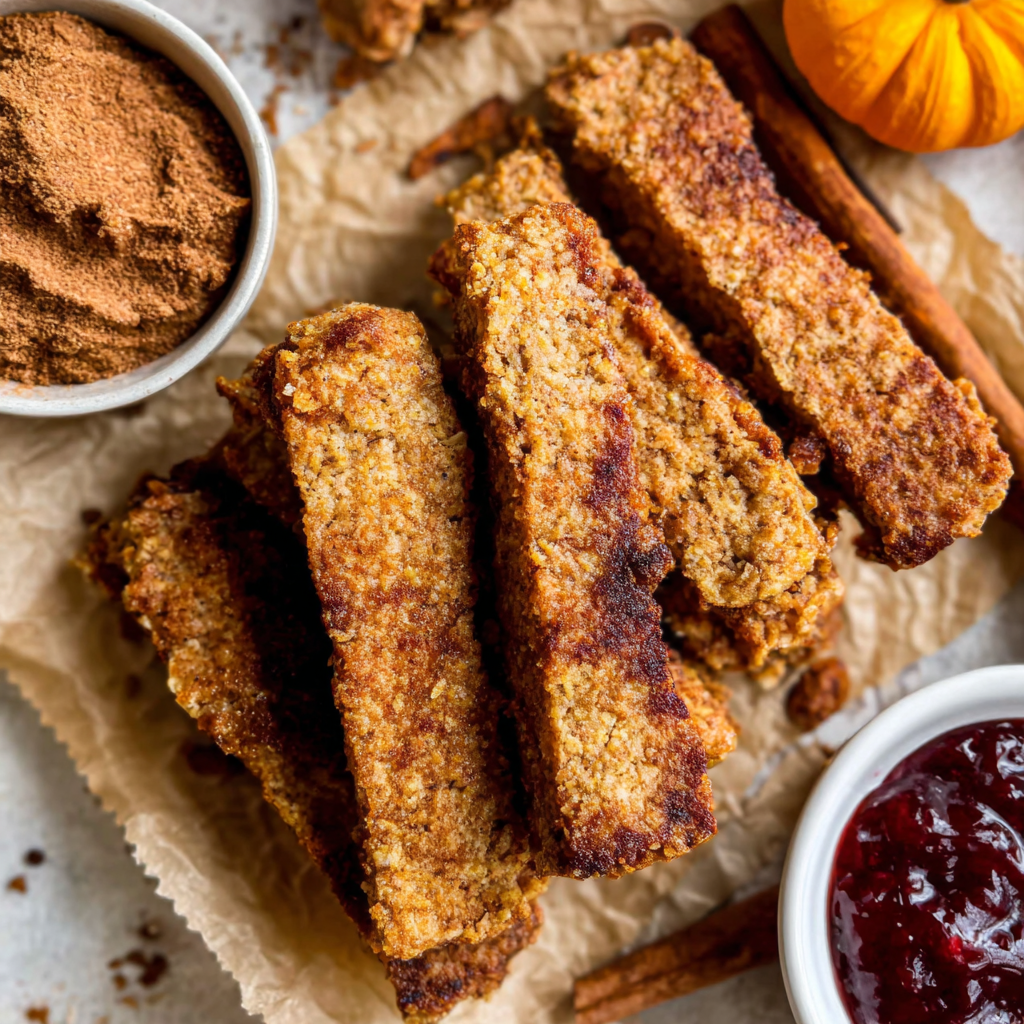
Delightful Pumpkin Oatmeal Dog Treat Sticks
Ingredients
Method
- Preheat the oven to 350°F (175°C).
- In a large mixing bowl, combine the pumpkin puree, peanut butter, coconut oil, and egg (if using).
- Gradually add the rolled oats and mix until well combined.
- If the mixture is too dry, add water one tablespoon at a time until the desired consistency is achieved.
- Roll out the dough on a floured surface to about 1/4 inch thick.
- Cut into sticks or desired shapes and place them on a parchment-lined baking sheet.
- Bake for 20-25 minutes or until the edges are golden brown.
- Let the treats cool completely on a wire rack before serving.
Notes
Additional serving suggestions: pair with a crisp salad, garlic bread, or roasted seasonal vegetables for balance.
For make-ahead, prep components separately and assemble just before heating to preserve texture.
Taste and adjust with acid (lemon/vinegar) and salt right at the end to wake up flavors.