Introduction
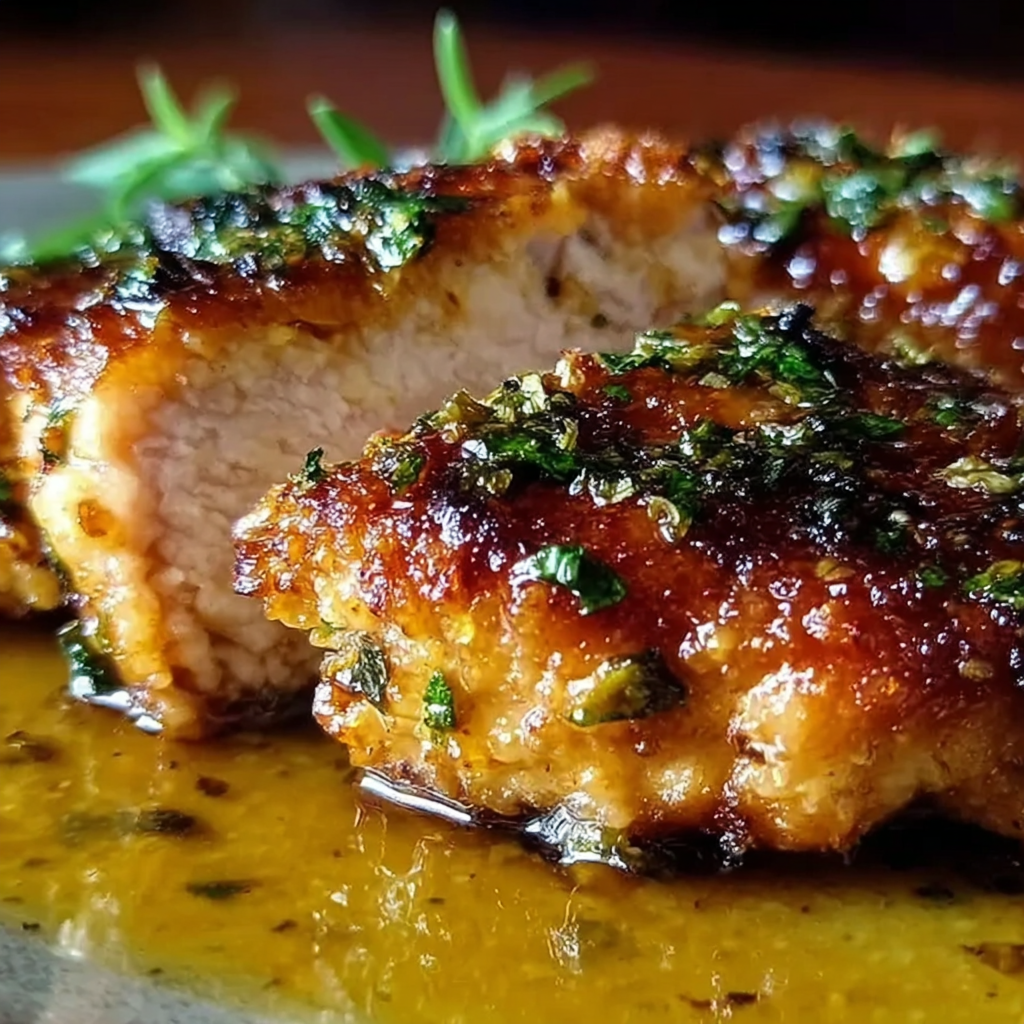
When it comes to a satisfying meal, few things can rival a perfectly cooked chicken breast. The trick lies in achieving that ‘melt-in-your-mouth’ texture, where the chicken is juicy and full of flavor. With the right techniques and ingredients, even the most novice home cook can create this culinary delight.
Chicken breast is often viewed as dry or bland, but with a few essential cooking methods and seasonings, it can transform into a dish you’ll look forward to serving. Whether for a weeknight dinner or a special occasion, this recipe is guaranteed to impress.
Ingredients
- 4 boneless, skinless chicken breasts
The main protein source, chicken breasts can be tough if not handled correctly. Choosing good quality, fresh chicken is essential for a tender result. - 1 cup buttermilk
Buttermilk acts as a marinade that tenderizes the chicken by breaking down protein structures. It also adds a slight tangy flavor that enhances the overall taste. - 2 teaspoons garlic powder
Garlic powder provides a rich, savory note that complements chicken well. It disperses evenly in the marinade, offering a uniform flavor throughout. - 1 teaspoon paprika
Paprika adds a beautiful color and a mild warmth to the dish. It's essential for enhancing the overall appearance and flavor profile of the chicken. - Salt and black pepper to taste
Salt enhances the inherent flavor of chicken, while black pepper adds a little heat. Proper seasoning is crucial for ensuring the chicken is flavorful. - 2 tablespoons olive oil
Olive oil helps to create a rich, crispy exterior. It also contributes to the moisture content, ensuring that the chicken doesn’t dry out during cooking. - Fresh herbs for garnish (optional)
Using fresh herbs like parsley or thyme not only adds a pop of color but also brings a depth of flavor that elevates the dish's freshness.
Directions & Preparation
Step 1: Marinate the chicken in buttermilk for at least 2 hours, or overnight.
Soaking the chicken in buttermilk acts as the first crucial step to ensure tenderness. The lactic acid in buttermilk breaks down tough muscle fibers, leading to a more succulent result. For best results, consider marinating the chicken overnight for deeper flavor.
Step 2: Mix the garlic powder, paprika, salt, and pepper in a bowl.
Blending the dry spices together allows for an even distribution when applying them to the chicken. This step brings a balanced flavor that will permeate the meat during cooking.
Step 3: Remove the chicken from the buttermilk and shake off excess liquid.
Removing excess buttermilk prevents a soggy texture while allowing the spices to adhere better to the chicken. This ensures that when the chicken cooks, it forms a delicious crust.
Step 4: Rub the spice mix evenly over the chicken breasts.
Coating the chicken breasts thoroughly with the spice rub enhances flavor and creates a nice exterior crust when cooked. Take care to cover all sides for a uniform taste.
Step 5: Heat olive oil in a skillet over medium-high heat until shimmering.
Heating the olive oil to the right temperature is key for achieving a nice sear. A hot skillet creates a Maillard reaction, which enhances flavor and gives the chicken an appealing golden-brown crust.
Step 6: Place the chicken breasts in the skillet and cook for 5-7 minutes per side, or until cooked through (165°F internal temperature).
Cooking the chicken for the right amount of time on each side ensures it stays juicy while developing a flavorful crust. Using a meat thermometer helps avoid overcooking, which can lead to dryness.
Step 7: Let the chicken rest for 5 minutes before slicing.
Resting the chicken allows the juices to redistribute throughout the meat, ensuring each bite remains moist. Cutting into it too early will release the juices, leading to a drier texture.
Step 8: Garnish with fresh herbs and serve.
Finishing the dish with fresh herbs not only beautifies the presentation, but also brings a fresh, vibrant note to the palate. It’s these simple touches that elevate the meal to restaurant-quality.

Perfectly Paired Flavor Combinations
While the chicken itself is a star, pairing it with complementary sides can elevate your meal further. Consider serving alongside garlic mashed potatoes for a creamy texture, or a fresh citrus salad that brings acidity and brightness. These matches enhance the overall dining experience, creating a well-rounded meal.
Tips for Maximum Juiciness
To ensure your chicken breasts turn out perfectly juicy every time, avoid using overly high heat which can lead to dryness. Instead, sear the outside and then finish cooking the chicken on a lower heat with a lid on. This method retains moisture while still delivering that desirable golden crust.
Exploring Marinade Variations
While buttermilk is perfect for a classic flavor, don't hesitate to explore other marinades. Options like yogurt or a citrus-based marinade can add unique flavors and might offer different tenderizing effects. Experimenting with ingredients like honey or mustard can also introduce delightful hints of sweetness and tang.
FAQs
What can I do if my chicken turns out dry?
If the chicken is dry, it may have been overcooked. In the future, ensure to check the internal temperature with a meat thermometer and remove it from heat once it reaches 165°F.
Can I use chicken thighs instead of breasts?
Yes, chicken thighs will work well in this recipe. They have more fat content, which helps keep them moist, but adjust the cooking time, as they may take longer to cook through.
What does resting the chicken do for the texture?
Resting allows the juices to redistribute throughout the meat. If you cut too soon, those juices escape, resulting in drier chicken.
How can I make the chicken more flavorful?
Consider adding additional spices or herbs to the buttermilk marinade, or incorporating garlic or onion powder for a bolder flavor profile.
What if I marinate the chicken too long?
If marinated too long, the chicken can become overly soft and mushy. Stick to a maximum of 24 hours for optimal texture.
What can I serve alongside the chicken for a complete meal?
Roasted vegetables, rice pilaf, or a fresh salad make excellent companions to this chicken dish, enhancing both nutrition and flavor.
Conclusion
Creating melt-in-your-mouth chicken breast is entirely achievable with a few careful steps. By employing techniques to tenderize and flavor the chicken, you ensure a delightful dining experience every time.
Whether you're a seasoned cook or a beginner, this chicken breast recipe allows for personal touches, so don't hesitate to experiment with flavors and sides. Enjoy the journey of making your home-cooked meals truly memorable!
Recipe Card
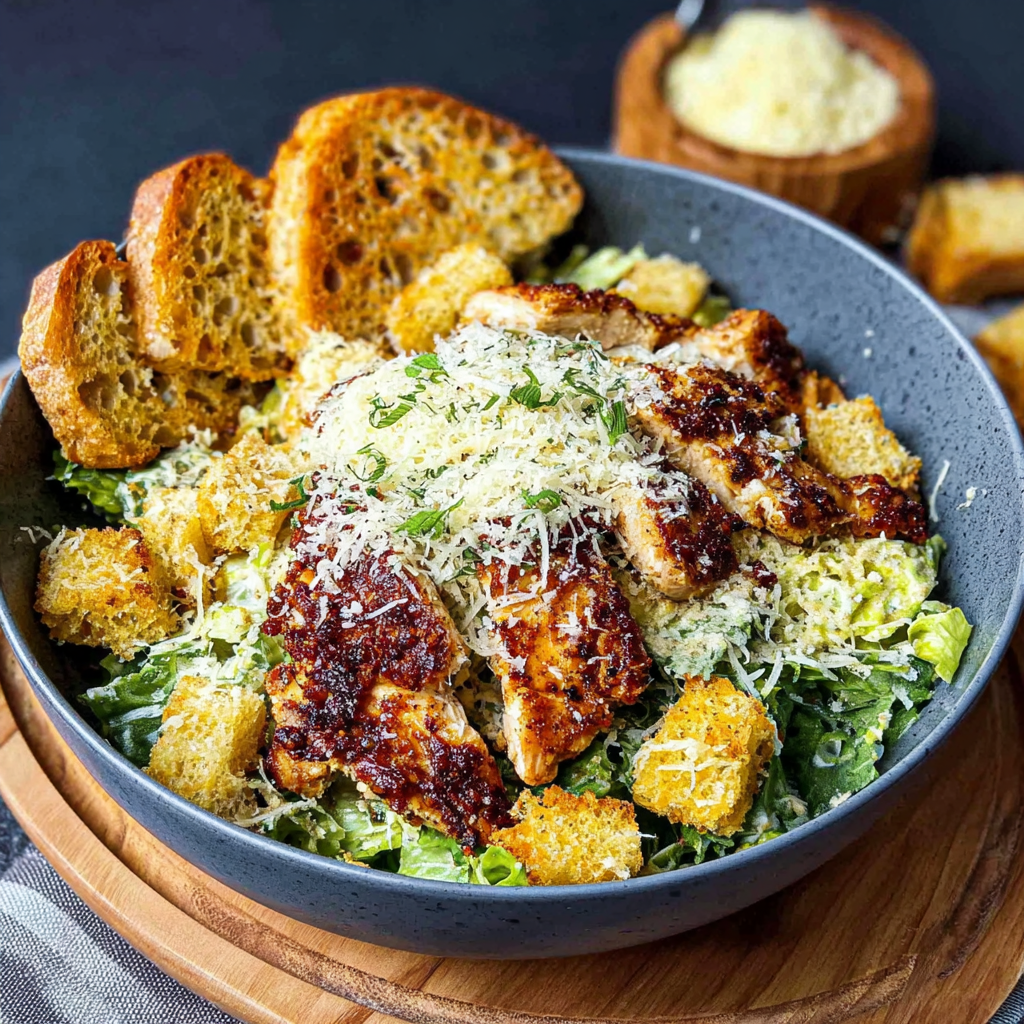
Flavorful Caesar-Hähnchen-Bowl for Home Cooking
Ingredients
Method
- Preheat your oven to 375°F (190°C).
- Season the chicken breasts with olive oil, salt, and pepper.
- Place the seasoned chicken in a baking dish and bake for 25-30 minutes until cooked through.
- While the chicken is baking, prepare the romaine and tomatoes.
- In a bowl, add the chopped romaine, tomatoes, and half of the Caesar dressing.
- Once the chicken is done, let it rest for 5 minutes, then slice into strips.
- Add the sliced chicken on top of the dressed salad, then drizzle with remaining dressing.
- Sprinkle with Parmesan cheese and croutons (if using) before serving.
Notes
Additional serving suggestions: pair with a crisp salad, garlic bread, or roasted seasonal vegetables for balance.
For make-ahead, prep components separately and assemble just before heating to preserve texture.
Taste and adjust with acid (lemon/vinegar) and salt right at the end to wake up flavors.