Introduction
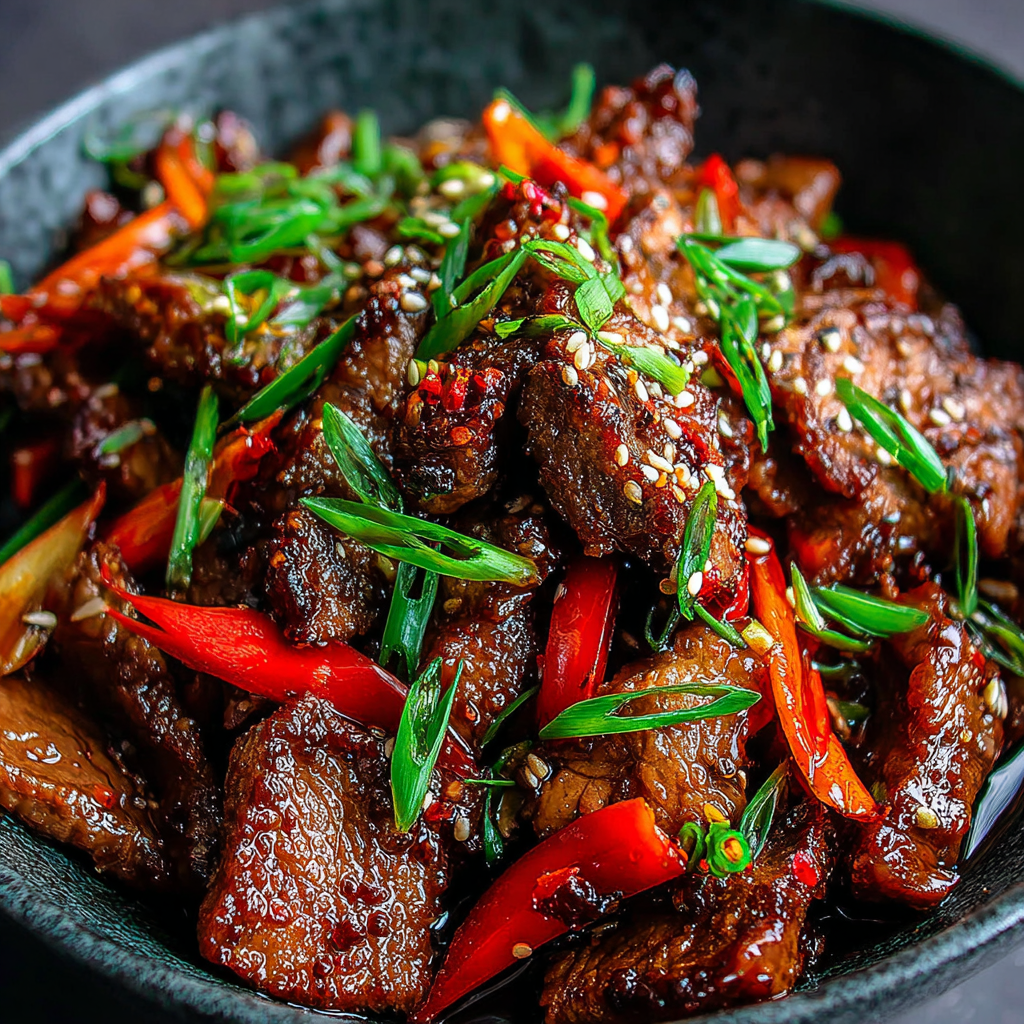
Cooking tender beef is often seen as a daunting task, especially when working with tougher cuts. However, Chinese cuisine has masterfully developed methods to soften these cuts, making them succulent and flavorful.
Understanding the secrets behind tenderizing beef can transform your cooking experience and elevate your dishes. With a few simple techniques and key ingredients, you can achieve restaurant-quality results right in your kitchen.
In this article, we'll explore a tried-and-true Chinese method that uses aromatics and natural enzymes, ensuring that the beef is not only tender but also infused with robust flavors.
Ingredients
- 1 pound flank steak
Flank steak is a flavorful cut often used in stir-frying, but it can be tough if not handled properly. It benefits from marinating and tenderizing techniques to enhance its texture. - 1 tablespoon soy sauce
Soy sauce adds depth of flavor while contributing some saltiness. It also helps in the marination process, allowing the beef to absorb flavors. - 1 tablespoon rice vinegar
Rice vinegar helps to break down the proteins in beef, enhancing tenderness. It also imparts a subtle tang that balances the overall dish. - 1 teaspoon baking soda
Baking soda has the ability to raise the pH level of meat, preventing protein from bonding too tightly. This results in a noticeably softer texture when cooked. - 2 teaspoons cornstarch
Cornstarch is used as a coating that locks in moisture when cooking. It creates a velvety finish and keeps the meat juicy and tender. - 2 cloves garlic, minced
Garlic not only infuses the meat with flavor but also offers health benefits. It enhances the overall aroma and taste profile of the dish. - 1 inch ginger, grated
Ginger adds a warm, spicy flavor and has natural tenderizing properties. It helps to further reduce the toughness of the beef. - Oil for stir-frying
Using a good oil, such as vegetable or sesame oil, ensures even cooking and prevents sticking during stir-frying. It also contributes to the overall flavor.
Directions & Preparation
Step 1: Prepare the flank steak by slicing it against the grain.
Slicing against the grain is crucial as it shortens the muscle fibers, making each bite more tender. For flank steak, this means cutting across the long fibers, which prevents the meat from feeling chewy and tough.
Step 2: Create the marinade by mixing soy sauce, rice vinegar, baking soda, and ginger.
This marinade not only infuses the beef with flavor but also sets the stage for tenderizing. The baking soda raises the pH and helps break down protein structures, while vinegar and soy sauce contribute to flavor and softness.
Step 3: Combine the flank steak with the marinade and let it sit for at least 30 minutes.
Marinating the beef allows the flavors to penetrate more deeply, making each bite flavorful. The longer you let it sit, the more tender it becomes, but even 30 minutes will yield significant results.
Step 4: Coat the marinated beef with cornstarch.
This step forms a protective layer around the meat, which helps to trap moisture during the cooking process. It leads to a tender and juicy end product while creating a nice texture.
Step 5: Heat oil in a wok or large skillet over high heat.
High heat is key for stir-frying as it quickly sears the meat, locking in juices and flavor. A well-heated surface prevents the beef from steaming, ensuring you get a nice browning effect.
Step 6: Add the coated beef to the hot oil and stir-fry for 2-3 minutes until browned.
Stir-frying in small batches if necessary ensures even cooking and prevents overcrowding, which can lead to steaming instead of browning. The short cooking time keeps the beef tender and juicy.
Step 7: Add minced garlic and cook for another minute until fragrant.
Garlic adds a wonderful aroma and flavor to the dish, enhancing the overall taste. Be careful not to overcook it, as burnt garlic can impart a bitter flavor.
Step 8: Remove the beef from the pan and set aside while you prepare vegetables or sauce if desired.
Removing the beef allows it to rest slightly, helping it retain moisture. This is also a good time to incorporate fresh vegetables or a sauce to create a complete dish.

Flavor Infusion Techniques
Incorporating aromatics like ginger and garlic during the marination process enhances the beef's flavor profile. The natural oils from these ingredients permeate the meat, resulting in a rich taste that complements the beef without overpowering it.
The Role of Baking Soda
Baking soda is a common secret among chefs for tenderizing meat. By raising the pH level, it alters protein structures, allowing for increased moisture retention. This technique is particularly beneficial for tougher cuts of beef, transforming them into tender delights.
Stir-Frying: A Quick Cooking Method
Stir-frying is not only a traditional Chinese cooking method but also an effective one for maintaining tenderness. The high heat sears the beef quickly, preventing the proteins from becoming tough while also adding a depth of flavor through caramelization.
FAQs
What if my beef is still tough after marinating?
If your beef remains tough, it may need a longer marination time or could be due to the cut itself. Ensure you are using flank steak or another suitable cut that benefits from this method.
Can I substitute soy sauce with gluten-free options?
Yes, gluten-free soy sauce or tamari can be used to maintain the flavor profile without gluten.
What should I do if the beef feels too oily after cooking?
If the beef seems oily, reduce the amount of oil used in the cooking process and drain excess oil from the pan after searing the beef.
How can I achieve a more pronounced flavor profile?
Consider adding more aromatic ingredients like scallions or a splash of sesame oil to the marinade, enhancing the overall flavor of the beef.
Can I use this method with chicken or pork?
While this technique is specifically effective for beef, similar methods can be applied to chicken or pork with appropriate adjustments in cooking times and ingredients.
What if the beef turns out too bland?
If blandness occurs, increase the marinade's intensity by adding more soy sauce or spices such as chili flakes or black pepper.
Conclusion
Mastering the Chinese method of tenderizing beef not only saves you money by allowing the use of tougher cuts but also opens up a world of culinary possibilities. With practice, you can create dishes that rival those from your favorite restaurants.
Embrace the mastery of marinade and technique, and know that each meal is a journey into the rich flavors of Chinese cuisine. Enjoy your deliciously tender beef dishes!
Recipe Card
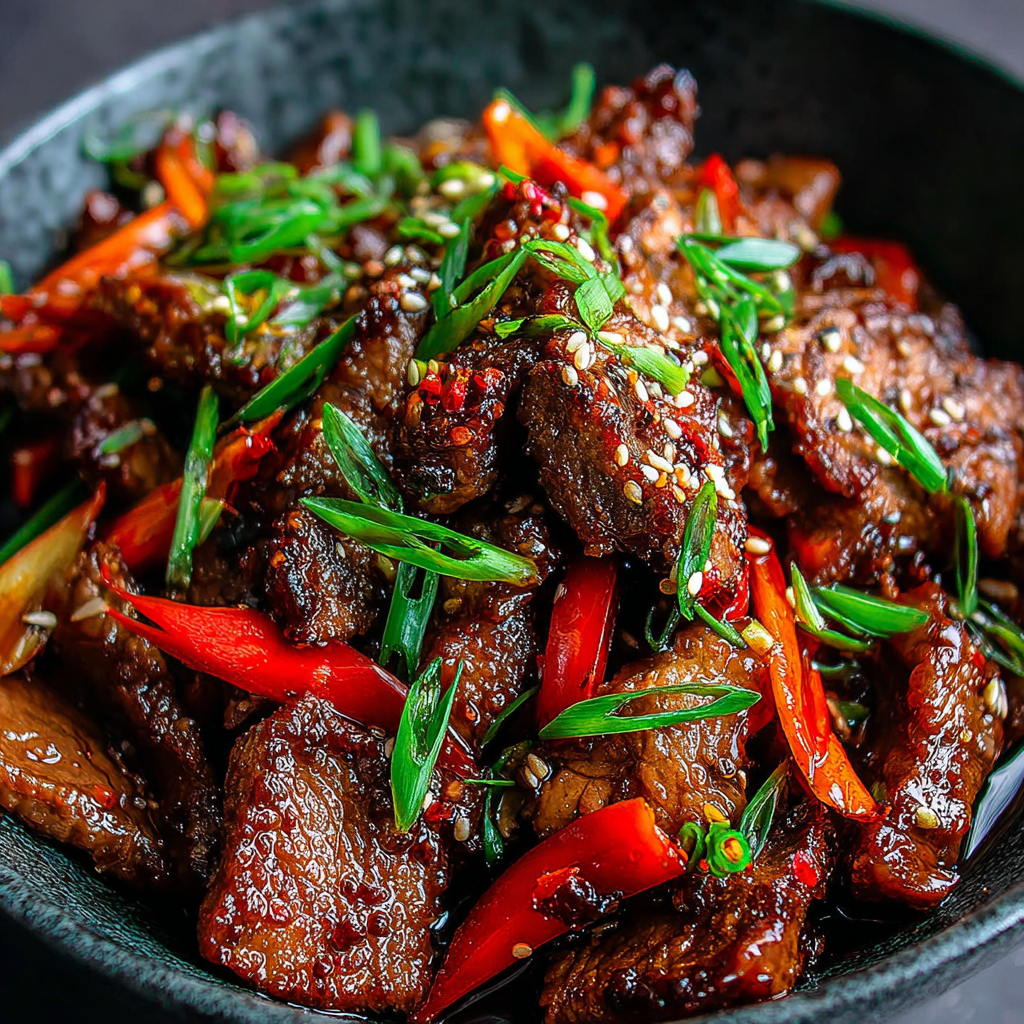
The Chinese Technique to Tenderize Tough Beef Cuts
Ingredients
Method
- Prepare the flank steak by slicing it against the grain.
- Create the marinade by mixing soy sauce, rice vinegar, baking soda, and ginger.
- Combine the flank steak with the marinade and let it sit for at least 30 minutes.
- Coat the marinated beef with cornstarch.
- Heat oil in a wok or large skillet over high heat.
- Add the coated beef to the hot oil and stir-fry for 2-3 minutes until browned.
- Add minced garlic and cook for another minute until fragrant.
- Remove the beef from the pan and set aside while you prepare vegetables or sauce if desired.
Notes
Additional serving suggestions: pair with a crisp salad, garlic bread, or roasted seasonal vegetables for balance.
For make-ahead, prep components separately and assemble just before heating to preserve texture.
Taste and adjust with acid (lemon/vinegar) and salt right at the end to wake up flavors.