Introduction
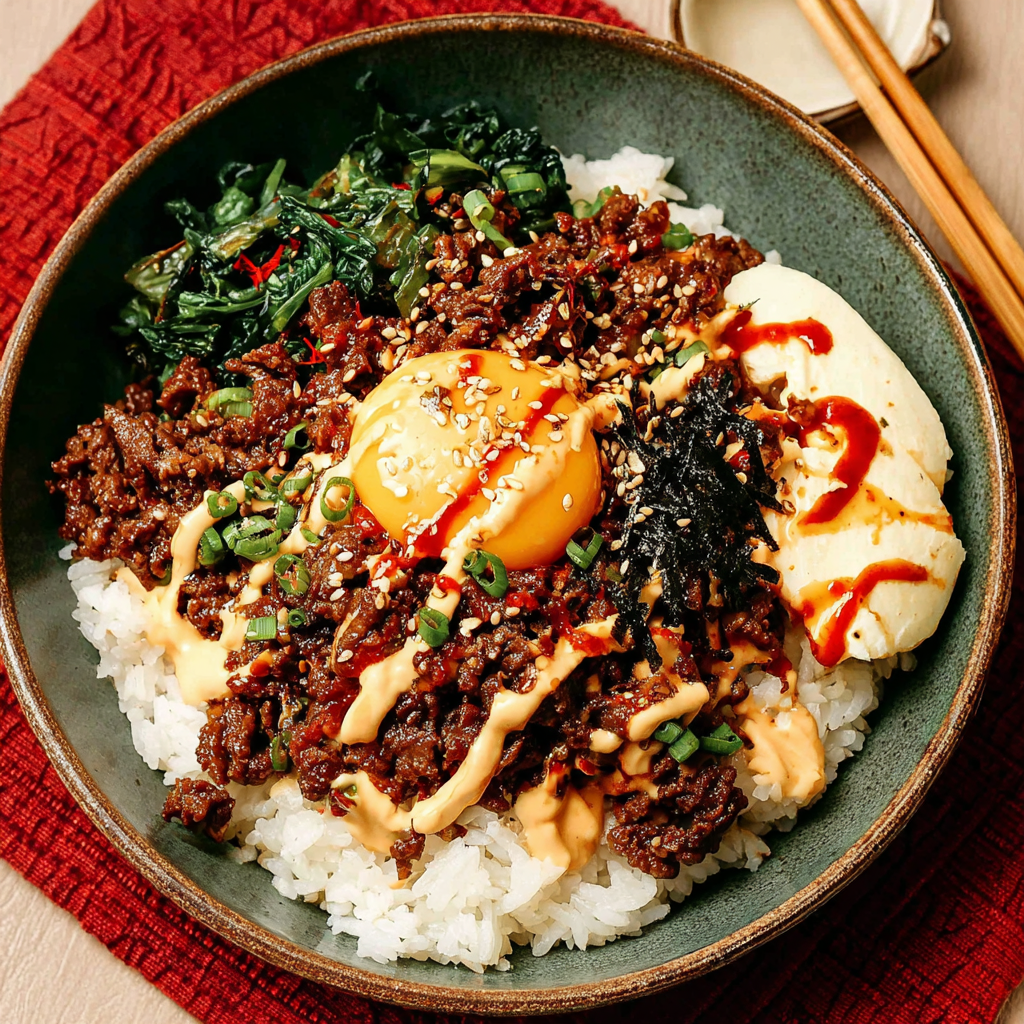
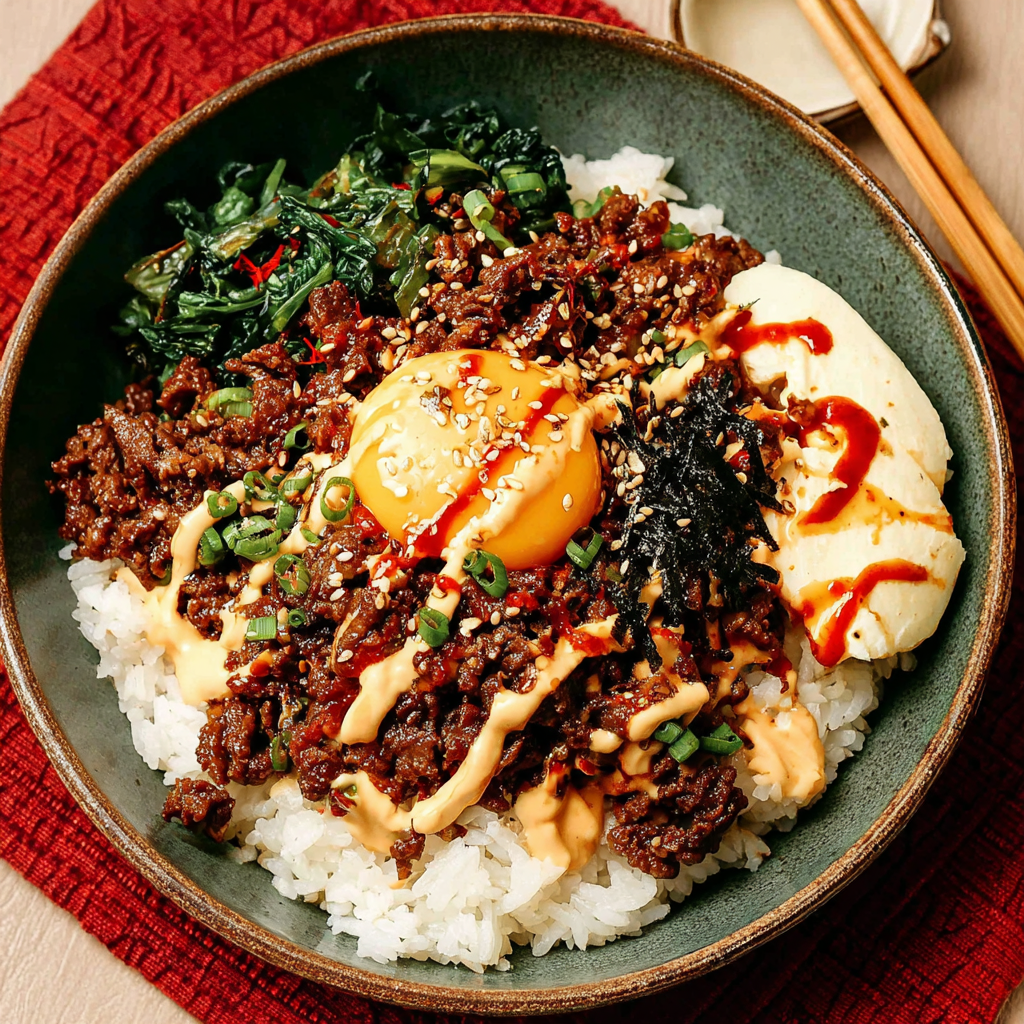
Korean Beef Bulgogi Bowls are a delightful blend of marinated beef, fresh veggies, and a creamy, spicy sauce that makes each bite a culinary adventure. This dish is not only easy to prepare but also incredibly satisfying, perfect for a weeknight dinner or a gathering with friends. The marinade and sauce are packed with umami flavor, elevating this simple meal into something truly special.
At the heart of this dish is bulgogi, which translates to 'fire meat' in Korean. The thinly sliced beef is marinated in a mixture of soy sauce, sesame oil, and garlic, allowing it to soak up all the flavors. With a quick sear, it develops a beautiful caramelization, bringing out its natural sweetness. Combined with a rich gochujang sauce, these bowls offer a harmonious balance of flavors and textures.
Ingredients
- 1 lb beef sirloin, thinly sliced
Beef sirloin is a tender cut that cooks quickly, ideal for stir-frying. Its rich flavor ensures the dish has the robust taste characteristic of traditional bulgogi. - 1/4 cup soy sauce
Soy sauce is essential for providing a savory umami base to the beef marinade, ensuring every bite is flavorful and juicy. - 2 tablespoons sesame oil
This oil adds a toasty, nutty richness to the marinade, enhancing the overall flavor profile and complementing the beef perfectly. - 2 tablespoons brown sugar
Brown sugar balances the salty and savory elements of the dish, helping to caramelize the beef during cooking and creating a delightful crust. - 4 cloves garlic, minced
Garlic is a fundamental ingredient that adds depth and aroma to the marinade, infusing the beef with irresistible flavor. - 1-inch piece ginger, minced
Ginger introduces a warming spice that nicely contrasts with the sweetness and saltiness, refreshing the palate with every bite. - 1 tablespoon rice vinegar
Rice vinegar brightens the flavors, providing a subtle acidity that cuts through the richness of the beef and enhances its overall taste. - 1 cup cooked rice
Rice serves as a neutral base that absorbs the flavorful juices from the beef and sauce, making each bowl more filling and enjoyable. - 1 cup carrots, julienned
Carrots add a necessary crunch and natural sweetness, contributing texture and healthiness to the dish. - 1 cup cucumber, julienned
Cucumbers provide a refreshing crunch that balances the warm, cooked ingredients, adding a clean flavor contrast. - 1 green onion, sliced
Green onions provide a mild onion flavor; they add a fresh note on top of the dish, garnishing each bowl beautifully. - 1/4 cup gochujang
Gochujang is a fermented red chili paste that gives the dish a spicy kick and depth, serving as the heart of the creamy sauce. - 1/2 cup heavy cream
Heavy cream creates a luscious texture for the sauce, cooling down the heat from the gochujang while adding richness. - 1 tablespoon lime juice
Lime juice brightens the creamy sauce, balancing the richness with a hint of acidity that enhances the overall flavor.
Directions & Preparation
Step 1: Prepare the beef marinade.
In a bowl, combine soy sauce, sesame oil, brown sugar, minced garlic, and ginger. This mixture will effectively season the beef, infusing it with wonderful flavors. Let the beef marinate for at least 30 minutes, but for best results, aim for a couple of hours. This step is crucial as it allows the meat to absorb all the flavors, ensuring each bite is tender and savory.
Step 2: Cook the rice as directed on the package.
While the beef marinates, prepare your rice according to package instructions. Choosing jasmine rice or short-grain rice can enhance the dish further, offering a stickier texture that pairs beautifully with the beef and sauce. Once cooked, keep it warm; it will absorb the juices from the beef and sauce perfectly.
Step 3: Cook the beef.
Heat a skillet or a grill pan over medium-high heat. Add the marinated beef in batches to avoid overcrowding. This step caramelizes the sugar while searing the beef, lending it a beautiful golden crust. Cook each batch for about 2-3 minutes until just cooked through, ensuring it remains tender and juicy.
Step 4: Prepare the creamy gochujang sauce.
In a separate bowl, whisk together gochujang, heavy cream, and lime juice until smooth. This sauce adds a creamy texture with a hint of heat, elevating the dish to the next level. Adjust the amount of gochujang based on your spice preference—the cream helps tone down the heat, making it approachable for everyone.
Step 5: Assemble the bowls.
In serving bowls, place a generous scoop of cooked rice as the base, then top with caramelized beef. Add the julienned carrots, cucumbers, and sliced green onions around the beef. The vibrant colors not only make your meal visually appealing but also create a variety of flavors and textures, enhancing the eating experience.
Step 6: Drizzle with creamy gochujang sauce.
Finish each bowl by drizzling the creamy gochujang sauce generously over the beef and vegetables. For a final touch, feel free to add extra green onions or sesame seeds for garnish. This step binds all the components together, offering a rich and spicy flavor that makes the dish unforgettable.

The Magic of Marinade: Why It Matters
Marinating the beef in a rich mixture of soy sauce, garlic, and sesame oil is essential for infusing flavor deep into the meat. The sugar helps to create a caramelized crust when cooked, adding layers of taste to the bulgogi. Even a short marination time can enhance the outcome, but allowing it to sit for longer brings out the umami and rounds out the taste. This crucial step turns simple beef into a flavorful delight.
Creaminess Meets Spice: The Gochujang Sauce
The creamy gochujang sauce is the perfect complement to the savory beef. It combines the spicy earthiness of gochujang with the smoothness of heavy cream, resulting in a balanced sauce that enhances the dish while cooling down the heat. Making the sauce allows chefs to control the spice level, ensuring it fits any palate, whether you prefer a mild kick or something fiery.
Color and Crunch: Fresh Veggies in Your Bowl
Adding julienned carrots and cucumbers introduces vibrant color and a crisp texture to the dish. These fresh vegetables also provide a counterpoint to the cooked beef and creamy sauce, making the dish more complex and enjoyable. Their bright flavors refresh the palate, making each bowl not only a feast for the eyes but also a balanced meal featuring various textures and taste.
FAQs
What should I do if my beef is overcooked?
If the beef becomes tough from overcooking, try slicing it thinly and adding it back to the skillet with a splash of broth or water. This can help rehydrate the meat slightly.
How can I adjust the spiciness of the gochujang sauce?
To control the heat, start with less gochujang and gradually increase until you reach your desired spice level. The heavy cream will tone down the heat, so find a balance that works for you.
What can I add if my dish feels too bland?
If the final dish tastes bland, consider adding a pinch of salt or more soy sauce for depth. Fresh lime juice can also brighten the flavors significantly.
Can I use a different cut of beef for this recipe?
Absolutely! Cuts like ribeye or flank steak could also work well for bulgogi. Just ensure they are thinly sliced to allow for quick cooking.
What if my sauce turns out too thick?
If the sauce is too thick, whisk in a bit of water or more heavy cream until you achieve a smoother consistency that is easier to drizzle.
Is there a vegetarian alternative I can use in this recipe?
For a vegetarian version, consider using marinated tofu or tempeh, which can soak in the same marinade and provide similar texture and flavor.
Conclusion
Korean Beef Bulgogi Bowls with Creamy Gochujang Sauce offer an exciting way to enjoy bold flavors in a comforting format. The combination of seasoned beef, fresh vegetables, and rich sauce makes it a versatile dish suited for various occasions. Whether it's a casual weeknight dinner or a feast for friends, this recipe is sure to impress.
By sharing this recipe, you’ll find that it’s not only about the ingredients but also the experience of preparing and enjoying a delightful meal together. Embrace the flavors of Korean cuisine and customize it to your liking, creating your unique version of a beloved classic.
Recipe Card
Korean Beef Bulgogi Bowls with Creamy Gochujang Sauce
Ingredients
Method
- Prepare the beef marinade.
- Cook the rice as directed on the package.
- Cook the beef.
- Prepare the creamy gochujang sauce.
- Assemble the bowls.
- Drizzle with creamy gochujang sauce.
Notes
Additional serving suggestions: pair with a crisp salad, garlic bread, or roasted seasonal vegetables for balance.
For make-ahead, prep components separately and assemble just before heating to preserve texture.
Taste and adjust with acid (lemon/vinegar) and salt right at the end to wake up flavors.