Introduction
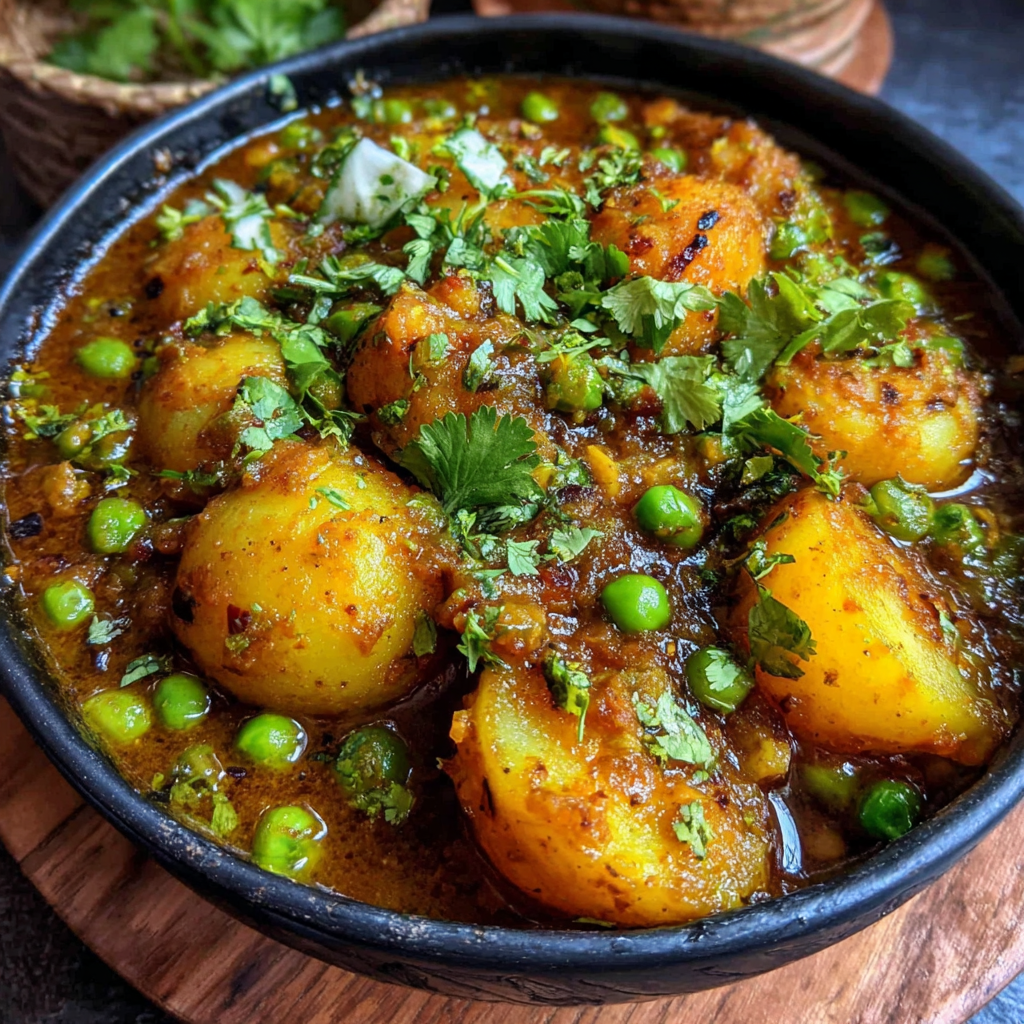
Crockpot cooking has become a beloved method for busy home cooks looking to prepare wholesome meals with minimal effort. One standout in this category is the Potato Pea Curry, a delightful dish that marries the comforting earthiness of potatoes with the vibrant sweetness of peas. Not only is it gluten-free, but it also offers a nourishing vegetarian option that's packed with flavor.
This recipe brings the rich flavors of Indian cuisine into your home without requiring hours spent in the kitchen. The slow-cooking process allows the spices to meld beautifully, creating a depth of flavor that enchants the palate. Plus, you'll love the convenience of setting and forgetting your meal while it cooks to perfection.
Ingredients
- 4 medium potatoes, peeled and diced
Potatoes serve as the hearty base of this curry, providing a creamy texture as they cook down. Their starchy quality thickens the sauce, making the curry more filling. - 2 cups fresh or frozen peas
Peas add a natural sweetness and vibrant color to the dish. They also enhance the protein content, making this curry a balanced meal option. - 1 large onion, chopped
Onions bring a rich, foundational flavor that deepens as they caramelize. Their sweetness balances the spices, creating a well-rounded dish. - 3 cloves garlic, minced
Garlic offers a pungent kick and aromatic quality, enhancing the overall flavor profile of the curry. - 1 tablespoon fresh ginger, grated
Ginger introduces a warm, spicy note that brightens the dish. It also has numerous health benefits, including aiding digestion. - 1 can (14 oz) coconut milk
Coconut milk adds a creamy consistency and a subtle sweetness that complements the spices beautifully, providing a rich base for the curry. - 2 tablespoons curry powder
Curry powder brings the signature flavor of the dish. Its complex blend of spices—typically including turmeric, cumin, and coriander—creates a warm, fragrant base. - 1 teaspoon turmeric
Turmeric not only adds a golden hue but also offers anti-inflammatory properties and a slightly earthy flavor, enhancing the authenticity of the curry. - 1 teaspoon salt
Salt is crucial for elevating the overall taste of the dish, allowing the flavors to shine through and ensuring a well-seasoned meal. - 1/2 teaspoon black pepper
Black pepper adds a mild heat and complexity, balancing the earthy flavors of the curry. - 1 tablespoon lime juice
Lime juice brightens the dish and adds a refreshing acidity, enhancing the flavors and making the curry more vibrant. - Fresh cilantro for garnish
Cilantro provides a fresh, herbaceous note that elevates the dish's flavor profile, offering contrast to the heartiness of the curry.
Directions & Preparation
Step 1: Prepare your ingredients by chopping the onion and peeling the potatoes.
Preparation is key to a successful curry. Chopping the onion and preparing the potatoes ahead of time ensures that your cooking process is smooth. Uniformly diced potatoes will cook evenly, while the chopped onions release their natural sweetness as they sauté.
Step 2: In a skillet, sauté the chopped onion until translucent. Add garlic and ginger, cooking until fragrant.
Sautéing the onion first allows it to soften and develop flavors that create a fragrant base for your curry. Adding garlic and ginger afterward ensures they cook just enough to release their strong aromas without burning.
Step 3: Transfer the sautéed mixture to the crockpot. Add the diced potatoes, peas, coconut milk, curry powder, turmeric, salt, and pepper.
Transferring the sautéed mixture to the crockpot includes those developed flavors in your dish. The coconut milk will blend with the spices and ingredients, creating a luscious sauce. Stirring everything together ensures an even distribution of flavors throughout.
Step 4: Set the crockpot on low for 6-8 hours or high for 3-4 hours, allowing it to cook gently.
This slow cooking method is what makes crockpot meals so special. It allows the flavors to meld and intensify, resulting in a rich, flavorful curry. The longer cook time on low is ideal for breaking down the potatoes and letting the spices develop.
Step 5: Once cooked, taste and adjust seasoning; stir in lime juice before serving.
Tasting the curry at the end of cooking is crucial for ensuring that all flavors are balanced. Adding lime juice at this stage brightens the dish, which can sometimes feel heavy with the creaminess of the coconut milk.
Step 6: Garnish with fresh cilantro and serve hot, ideally with naan or rice.
Garnish elevates the presentation and adds fresh flavor. The curry is best served warm, allowing the spices to stand out. Pairing it with naan or rice provides a delightful way to mop up the rich, creamy sauce.

The Importance of Slow Cooking
Slow cooking allows for flavors to meld beautifully over time, transforming simple ingredients into a gourmet experience. The crockpot ensures even cooking and allows the spices to infuse the dish deeply. This is particularly essential in a curry, where every ingredient contributes to a harmonious flavor profile.
Choosing the Right Potatoes
Not all potatoes are created equal when it comes to curry. Starchy varieties like Yukon Gold or Russet are ideal because they break down well and create a creamy texture. Waxy potatoes tend to hold their shape better, but they won't contribute the same luscious sauce that makes this dish so comforting.
The Role of Spices in Balance
The spices in a curry aren't just for flavor—they create balance and depth across the dish. Each spice plays a specific role, from the warmth of turmeric to the sweeter notes of curry powder. A well-spiced curry should offer a complexity that invites you back for more, with no single flavor overpowering the others.
FAQs
What can I do if my curry turns out too thick?
If your curry is too thick, add a little vegetable broth or water and stir well. This will help loosen the texture and ensure every bite is flavorful.
Can I use frozen peas instead of fresh ones?
Absolutely! Frozen peas are a great alternative and maintain their sweetness and texture well in slow-cooked dishes like this curry.
What should I do if my curry tastes bland?
If you find your curry lacks flavor, try adding more spices, a touch of salt, or a splash of lime juice to enhance the taste.
Can I substitute coconut milk with another type of milk?
While you can use other types of milk, they won’t provide the same rich creaminess. If you prefer a lighter option, try almond milk, but be prepared for a different flavor and texture.
How can I add more vegetables to this curry?
Feel free to toss in vegetables like carrots, bell peppers, or spinach during the last hour of cooking. This will add nutrition and flavor without disrupting the cooking time of the potatoes.
What if my potatoes are undercooked?
If you find the potatoes haven't softened after cooking, let the curry cook for an additional 30 minutes to an hour on high, checking regularly until they're properly tender.
Conclusion
Crockpot Potato Pea Curry is more than just a meal—it's a warm embrace after a long day. With its rich flavors and comforting texture, this dish is sure to please everyone at the table. Plus, the ease of preparation allows you to engage in other activities while it cooks, making it an ideal solution for busy weeknights.
Experiment with different spices and vegetables to make this dish your own. As you build confidence in your cooking, remember that creating a delicious curry is all about balance and personal preference. Enjoy the journey in your kitchen, and savor each spoonful of your lovingly prepared curry.
Recipe Card
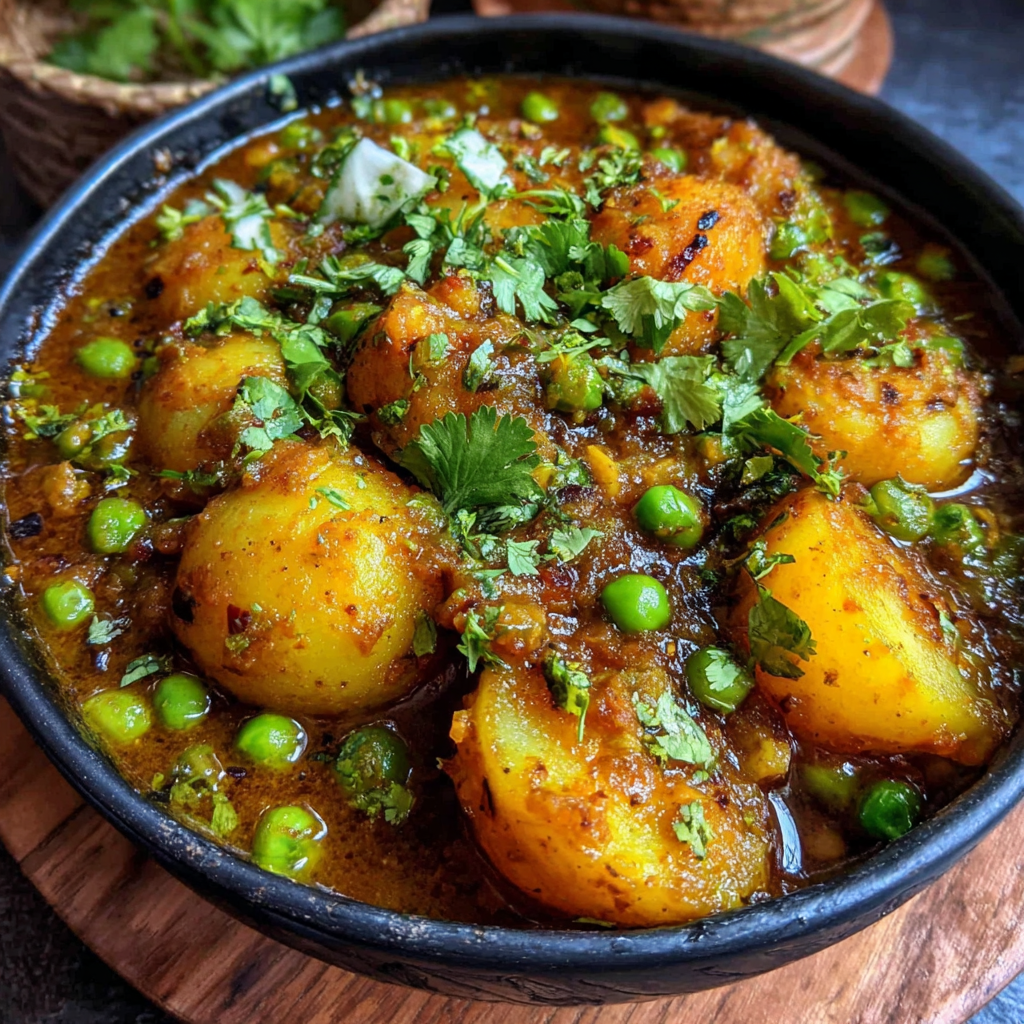
Hearty Crockpot Potato Pea Curry for Comforting Meals
Ingredients
Method
- Prepare your ingredients by chopping the onion and peeling the potatoes.
- In a skillet, sauté the chopped onion until translucent. Add garlic and ginger, cooking until fragrant.
- Transfer the sautéed mixture to the crockpot. Add the diced potatoes, peas, coconut milk, curry powder, turmeric, salt, and pepper.
- Set the crockpot on low for 6-8 hours or high for 3-4 hours, allowing it to cook gently.
- Once cooked, taste and adjust seasoning; stir in lime juice before serving.
- Garnish with fresh cilantro and serve hot, ideally with naan or rice.
Notes
Additional serving suggestions: pair with a crisp salad, garlic bread, or roasted seasonal vegetables for balance.
For make-ahead, prep components separately and assemble just before heating to preserve texture.
Taste and adjust with acid (lemon/vinegar) and salt right at the end to wake up flavors.