Introduction
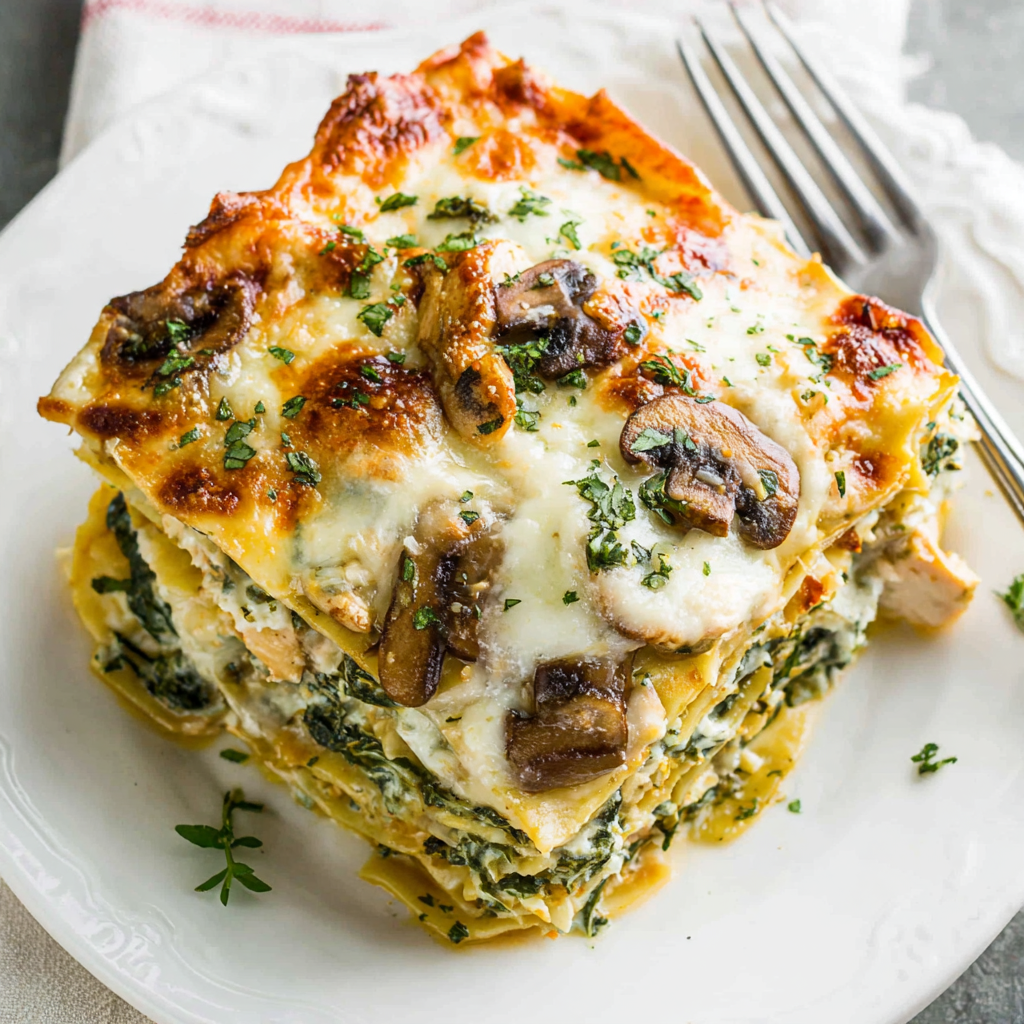
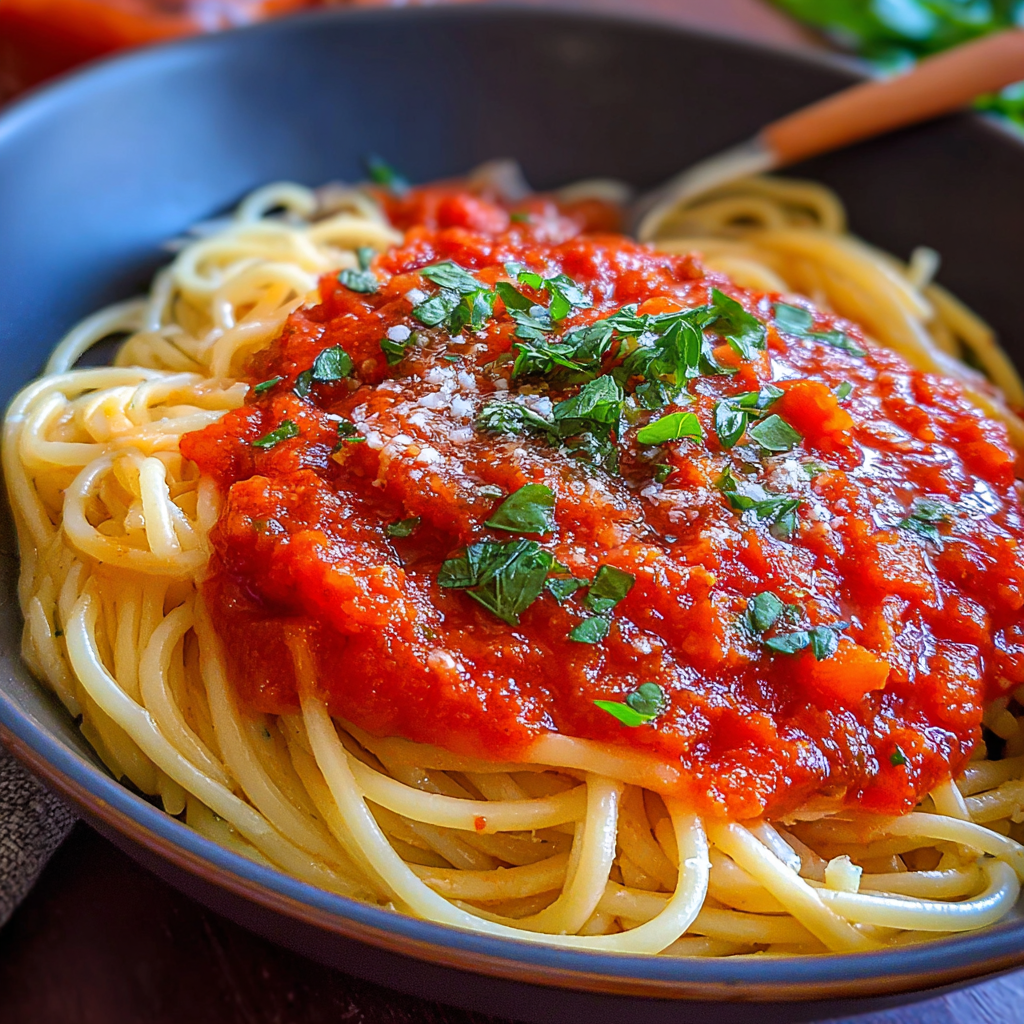
Homemade marinara sauce is a classic staple in Italian cuisine that elevates countless dishes with its robust flavor and wholesome ingredients. This versatile sauce can enhance pasta, pizza, and even dishes like lasagna and eggplant Parmesan. When made from scratch, marinara becomes a personal creation, customized to suit your taste.
The beauty of crafting your own marinara lies not only in the freshness of each ingredient but also in the ability to control the depth of flavor. Building the sauce with care allows you to balance acidity and sweetness, creating a truly remarkable culinary experience. Let’s delve into the essential components and steps needed to create this delicious sauce in your own kitchen.
Ingredients
- 2 tablespoons olive oil
Olive oil is the base fat for the sauce and adds rich flavor. It also helps to sauté garlic and onion, releasing their natural sugars and enhancing the overall taste. - 1 medium onion, finely chopped
Onions provide sweetness and depth to the marinara. When cooked, they caramelize slightly, creating a flavorful foundation for the sauce. - 4 cloves garlic, minced
Garlic adds a robust aroma and flavor that is essential in marinara sauce. It needs to be sautéed lightly to avoid bitterness but should still maintain its pungency. - 2 cans (28 ounces each) whole tomatoes
Whole tomatoes serve as the main ingredient, providing the sauce's body and acidity. Opt for San Marzano tomatoes if available; they are known for their sweetness and low acidity. - 1 teaspoon sugar
Sugar balances the acidity of the tomatoes. It helps smooth out the flavors, ensuring the sauce isn’t overly tangy. - 1 tablespoon dried oregano
Dried oregano introduces a herbal note that complements the tomatoes beautifully. It’s a classic herb in marinara sauce, contributing to its aromatic profile. - Salt and freshly ground black pepper, to taste
Seasoning brings out all the flavors in your sauce. Adjusting salt and pepper is essential for achieving the right flavor balance. - Fresh basil leaves, for garnish
Fresh basil adds a fragrant and bright note when added at the end. It not only beautifies the dishbut also enhances the overall flavor with its fresh, herbal taste.
Directions & Preparation
Step 1: Heat olive oil in a large saucepan over medium heat.
Heating the olive oil properly is crucial as it allows the subsequent ingredients to cook evenly. A medium heat ensures that the oil doesn't start smoking, which can compromise the flavors. This initial step creates the foundation upon which your sauce will build its flavor.
Step 2: Add the chopped onion and sauté until translucent, about 5 minutes.
Sautéing the onion until it’s translucent brings out its natural sweetness and creates a flavor base for the sauce. This step softens the onion and helps release water from its cells, which is important for creating the right texture in your sauce.
Step 3: Stir in the minced garlic and cook for another minute until fragrant.
Garlic cooks quickly, developing a deep aroma as it sizzles in the hot oil. Cooking it for just a minute prevents burning and ensures that its flavor thoroughly infuses the sauce. Keep an eye on it to avoid overcooking, which can turn garlic bitter.
Step 4: Pour in the whole tomatoes, crushing them with your hands or a spoon as you add.
Adding whole tomatoes provides a robust body to the sauce. Crushing them while adding ensures that you control the consistency, allowing for a chunkier or smoother texture, depending on your preference.
Step 5: Add sugar, dried oregano, salt, and pepper. Stir well to combine all ingredients.
Mixing in the sugar and oregano at this stage allows for an even distribution of flavors throughout the sauce. The spices and seasoning meld as they cook, enhancing the overall taste of your marinara.
Step 6: Bring the sauce to a simmer, then reduce heat. Cover and let it cook for 30-45 minutes, stirring occasionally.
Simmering allows the flavors to deepen and develop. Covering the pot retains moisture and heat, creating a gentle cooking environment that breaks down the tomatoes and melds all the flavors together beautifully.
Step 7: Taste and adjust seasoning if necessary.
Tasting your marinara sauce before finishing is crucial. This step allows you to adjust flavors, perhaps adding more salt or sugar to achieve a perfect balance. Personalizing the taste ensures it meets your culinary expectations.
Step 8: Remove from heat and stir in chopped fresh basil just before serving.
Incorporating fresh basil at the end preserves its vibrant flavor and fresh aroma. Cooking it too long can dull its bright notes, so adding it just before serving enhances the final dish, leaving you with a burst of freshness.

The Importance of Quality Tomatoes
When it comes to marinara sauce, the quality of your tomatoes is paramount. Opting for whole peeled tomatoes, particularly San Marzano, can elevate your sauce beyond the ordinary. These tomatoes are naturally sweet and have a lower acidity level, making them ideal for marinara. If you can find them in your local market, don’t hesitate to grab a few cans—they will transform your sauce into something extraordinary.
Balancing Acidity and Sweetness
One might be surprised to know that acidity is a significant characteristic of marinara sauce. While tomatoes contribute a natural acidity, balancing it with a bit of sugar can create a rounder flavor profile. Remember, the goal is to create a harmonious sauce that isn’t overly tangy. As you taste along the way, small adjustments can lead to a perfectly balanced sauce that both surprises and delights the palate.
Customizing Your Marinara
Your marinara sauce can be a blank canvas waiting to be personalized. Consider adding elements like red pepper flakes for heat, or grated carrots for sweetness and color. You might even experiment with a splash of red wine to deepen the flavor with an earthy note. The beauty of making marinara at home is that you can tailor it to your specific tastes, making it uniquely yours.
FAQs
What can I do if my sauce is too thick?
If your marinara sauce is too thick, you can thin it out by adding a splash of water or broth while it simmers. This will help reach your desired consistency without compromising flavor.
How can I enhance my marinara sauce flavor?
If your sauce tastes bland, consider adjusting with more salt or a touch of sugar. Fresh herbs added at the end can also elevate the flavor profile.
Can I use fresh tomatoes instead of canned?
Absolutely! Using fresh tomatoes can give a vibrant flavor, but you will need to blanch and peel them first. Use about 2-3 pounds of fresh tomatoes to match the volume of two cans.
What herbs can I add for more depth?
In addition to oregano, you can introduce herbs like thyme or rosemary for added complexity. They bring unique flavors that enhance the sauce's overall taste.
Is it possible to make this sauce chunkier?
If you prefer chunkier marinara, simply pulse the tomatoes lightly in a food processor or crush them less thoroughly before cooking. This allows for larger tomato pieces throughout.
What should I do if the sauce tastes too acidic?
If the sauce has an overpowering acidity, a pinch more sugar can help balance those flavors out. Alternatively, a dollop of cream can soften acidity while adding richness.
Conclusion
Creating your own marinara sauce from scratch is a rewarding experience that brings a sense of accomplishment to any home cook. By carefully selecting and blending the right ingredients, you can whip up a sauce that is rich in flavor and personal in touch.
Once you master this simple recipe, you’ll find endless possibilities for using your homemade marinara sauce. Share it with family, use it on pizza, or mix it into your favorite pasta for an authentic Italian experience right at home.
Recipe Card
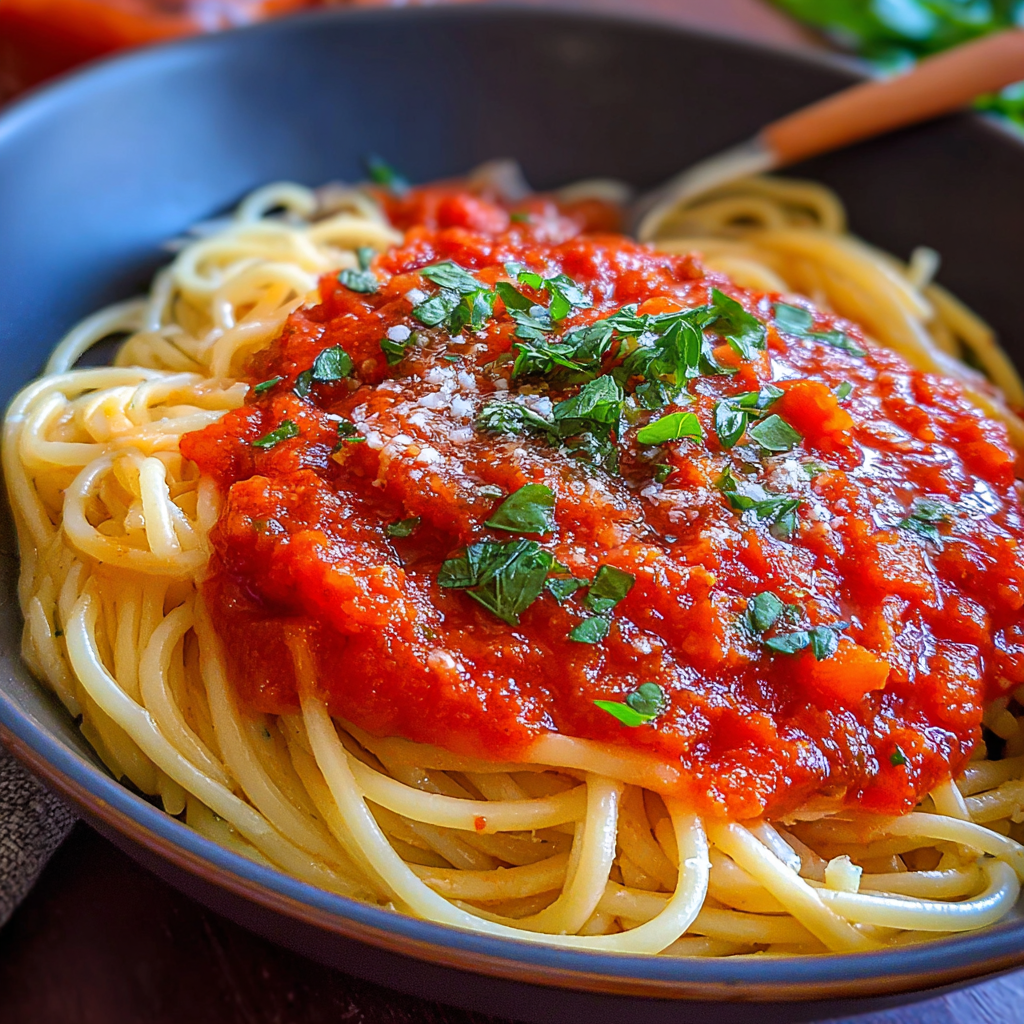
Crafting Flavorful Homemade Marinara Sauce
Ingredients
Method
- Heat olive oil in a large saucepan over medium heat.
- Add the chopped onion and sauté until translucent, about 5 minutes.
- Stir in the minced garlic and cook for another minute until fragrant.
- Pour in the whole tomatoes, crushing them with your hands or a spoon as you add.
- Add sugar, dried oregano, salt, and pepper. Stir well to combine all ingredients.
- Bring the sauce to a simmer, then reduce heat. Cover and let it cook for 30-45 minutes, stirring occasionally.
- Taste and adjust seasoning if necessary.
- Remove from heat and stir in chopped fresh basil just before serving.
Notes
Additional serving suggestions: pair with a crisp salad, garlic bread, or roasted seasonal vegetables for balance.
For make-ahead, prep components separately and assemble just before heating to preserve texture.
Taste and adjust with acid (lemon/vinegar) and salt right at the end to wake up flavors.