Introduction
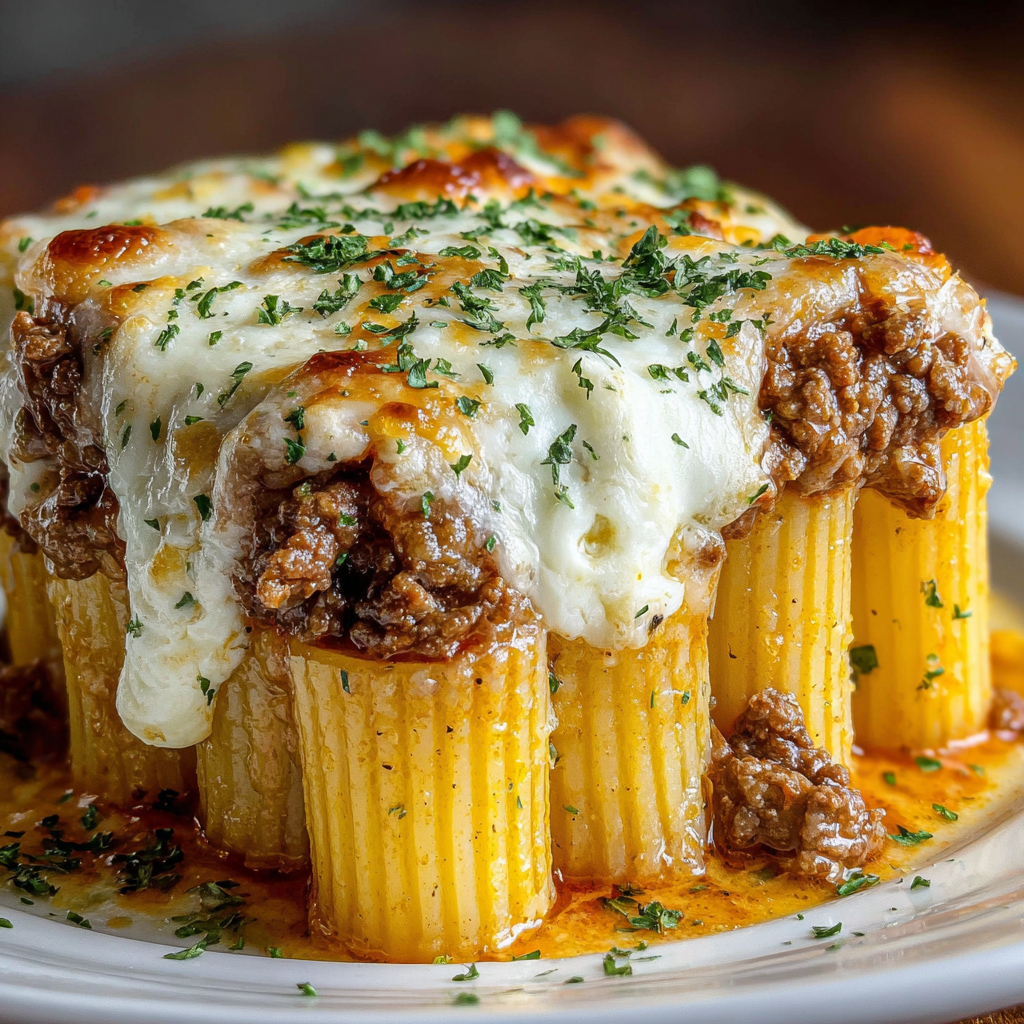
There's something irresistible about a hearty pasta dish, and baked rigatoni filled with beef ragu and mozzarella hits all the right notes. This comforting meal is perfect for family dinners or gatherings, providing a warm, cheesy hug with each bite.
The combination of tender pasta, rich ragu, and gooey mozzarella not only satisfies cravings but also makes for a visually stunning centerpiece on your table. Plus, it's a versatile dish that pairs well with a variety of sides, from crisp salads to crusty bread.
Ingredients
- 1 lb rigatoni
Rigatoni is a tubular pasta that holds sauces well, making it ideal for this baked dish. Its sturdy structure and ridges ensure it captures every layer of the flavorful beef ragu. - 2 tbsp olive oil
Olive oil is used for sautéing the vegetables and beef. It adds a rich, fruity flavor and is important for preventing the ingredients from sticking to the pan during the cooking process. - 1 onion, diced
Onions provide a sweet and savory base for the ragu. When sautéed, they develop a caramelized richness that enhances the overall flavor of the dish. - 2 cloves garlic, minced
Garlic adds a delicious aroma and depth of flavor to the beef ragu. It complements the richness of the meat and serves as a backbone to the sauce. - 1 lb ground beef
Ground beef is the star protein of this dish, contributing a hearty and satisfying texture. It absorbs the flavors of the sauce well, ensuring every bite is packed with flavor. - 1 can (15 oz) crushed tomatoes
Crushed tomatoes form the base of the ragu sauce, providing acidity and sweetness. They help to balance the richness of the meat and cheese, creating a well-rounded dish. - 1 tsp dried oregano
Oregano adds a hint of earthiness and a touch of herbal complexity. It complements the meat and tomato mixture beautifully, making the sauce more aromatic. - 1 tsp dried basil
Dried basil contributes a sweet, slightly peppery flavor. It enhances the Italian character of the dish and pairs well with the other herbs and the richness of the beef. - Salt and black pepper to taste
Seasoning is essential to bring out the natural flavors of the ingredients. Properly seasoning the ragu will ensure it is neither bland nor overpowering. - 2 cups shredded mozzarella cheese
Mozzarella cheese is used for its melting qualities and mild flavor. It provides that gooey texture that is expected in a baked pasta dish, making for a satisfying topping. - 1/2 cup grated Parmesan cheese
Parmesan cheese adds a sharp, salty flavor that contrasts well with the mild mozzarella. Sprinkling it on top forms a beautiful, golden crust when baked. - Fresh parsley, chopped (for garnish)
Fresh parsley not only adds a pop of color but also a hint of freshness that brightens up the dish. It balances the richness of the ragu and cheese.
Directions & Preparation
Step 1: Preheat your oven to 375°F (190°C).
Preheating the oven ensures that the rigatoni will bake evenly and properly. Starting with a hot oven allows for the mozzarella to melt and brown beautifully, enhancing both the appearance and flavor of your dish.
Step 2: Cook the rigatoni in a large pot of salted boiling water until al dente, about 8-10 minutes.
Cooking the pasta al dente means it will have a slight bite to it, which is important since it will continue cooking in the oven. Undercooking the pasta at this stage prevents it from becoming mushy after baking.
Step 3: While the pasta is cooking, heat olive oil in a large skillet over medium heat.
Heating the olive oil prepares it to sauté the onions and garlic, creating a flavorful base for the ragu. A proper heating allows for even cooking, avoiding burning the garlic, which could introduce bitterness.
Step 4: Add the diced onions to the skillet and sauté until translucent, about 5 minutes.
Translucent onions indicate they are beginning to caramelize, which adds sweetness and depth to the sauce. Proper sautéing allows the flavors to develop, which is key to a rich ragu.
Step 5: Stir in the minced garlic and cook for another minute until fragrant.
Adding garlic after the onions allows it to soften without burning. A minute is often sufficient for garlic to release its aromatic oils, infusing the ragu with flavor.
Step 6: Add the ground beef to the skillet and cook until browned, about 7-10 minutes.
Browning the beef creates a complex flavor known as the Maillard reaction, enhancing the overall taste of the ragu. Ensure that the beef is broken into small pieces for even cooking.
Step 7: Stir in the crushed tomatoes, oregano, basil, salt, and pepper; simmer for 15 minutes.
Simmering the sauce allows the flavors to meld together while the sauce thickens slightly. This step is crucial for ensuring that the beef ragu is rich and cohesive before mixing with the pasta.
Step 8: Mix the cooked rigatoni into the beef ragu until well combined.
Combining the rigatoni with the ragu ensures that each piece of pasta is coated with the sauce, maximizing flavor absorption. This is key to achieving a well-balanced dish.
Step 9: Transfer half of the rigatoni and ragu mixture to a greased baking dish.
Layering half of the mixture in the baking dish prevents overcrowding and ensures an even layer for the next steps. This method supports a better melt on the cheese and overall distribution.
Step 10: Sprinkle half of the shredded mozzarella over the first layer, then add the remaining rigatoni, and top with the rest of the mozzarella and Parmesan.
Layering cheeses between the pasta creates pockets of melted goodness. This ensures that every bite has a cheesy element and a delicious crust develops on top when baked.
Step 11: Cover the baking dish with foil and bake for 20 minutes.
Covering prevents the top layer from burning prematurely while allowing the dish to heat through. This step is vital for melting the cheese and keeping everything moist.
Step 12: Remove the foil and bake for an additional 10-15 minutes until the cheese is bubbling and golden brown.
Baking uncovered allows for browning and enhances the flavor of the cheeses. This final touch is what transforms the dish into a comforting, visually appealing meal.
Step 13: Let the baked rigatoni cool for 5 minutes before serving.
Allowing the dish to cool slightly helps the ingredients set, making it easier to serve. This wait builds anticipation and improves the overall dining experience.
Step 14: Garnish with chopped parsley and serve.
Garnishing with fresh parsley adds a final touch of color and freshness to your dish. This step not only enhances presentation but also complements the richness of the pasta.

The Heart of the Ragu: Slow and Steady Wins the Race
A well-made ragu is the heart of this baked rigatoni dish, and it deserves quality time to develop its flavor. Simmering the sauce allows the ingredients to meld, resulting in a rich taste that elevates the overall dining experience. Don't rush this step; let the sauce simmer until it thickens and the flavors deepen, creating a comforting base for your pasta.
Choosing the Cheese: A Melting Matter
The choice of cheese is paramount in achieving that perfect gooey texture. While mozzarella is a classic choice for its melting qualities, mixing it with Parmesan introduces a delightful contrast in flavor. This combination creates a beautifully cheesy topping that's both rich and satisfying, ensuring that each bite is layered with delightful textures.
Beyond the Basics: Adding Depth to Your Ragu
To elevate your beef ragu beyond the traditional, consider adding a splash of red wine or a hint of red pepper flakes. Wine adds an extra layer of complexity and can counterbalance the acidity of the tomatoes. Meanwhile, red pepper flakes introduce a subtle heat, making your dish even more comforting and inviting without overwhelming the palate.
FAQs
What can I do if my ragu is too thick?
If your ragu is too thick, you can add a splash of water or broth while it's simmering to loosen it up. Stir well until the desired consistency is reached.
Why does my rigatoni taste bland?
A bland rigatoni may result from under-seasoning the ragu. Ensure you're salting properly at each stage of cooking and taste as you go to adjust the flavors.
What if my cheese is not melting properly?
If your cheese isn't melting properly, ensure your oven is preheated correctly and that you've covered the dish initially to trap steam. You can also broil for a minute at the end for a quick melt.
Can I use a different type of pasta?
Yes, while rigatoni is ideal, other tubular pastas like penne or ziti can be substituted. Just keep an eye on the cooking time, as different shapes may require adjustments.
Is it important to let the dish rest after baking?
Yes, letting the baked rigatoni rest allows the layers to set, making it easier to slice and serve. It also enhances the flavors as they meld together.
Can I add vegetables to the ragu?
Absolutely! Incorporating vegetables like bell peppers or mushrooms into the ragu can add extra flavor and nutrition, enhancing the overall dish.
How can I make the beef ragu richer in flavor?
Consider using beef broth instead of water or adding a tablespoon of tomato paste for depth. Also, sautéing the vegetables until caramelized adds significant flavor to the sauce.
What can I do if my rigatoni is overcooked?
If your rigatoni is overcooked, try to reduce the baking time slightly, as it may soften further during baking. Using a lower oven temperature can also help prevent additional cooking.
Conclusion
This baked rigatoni stuffed with beef ragu and mozzarella is more than just a meal; it’s an experience for the senses, bringing together rich flavors and comforting textures. Perfect for any occasion, it’s sure to impress family and friends alike.
Once you master this recipe, feel free to experiment with different ingredients and flavors. After all, cooking is about personal expression and joy, so make this dish your own!
Recipe Card
Delightful Rice Paper Dumplings for Home Cooks
Ingredients
Method
- Prepare the Filling
- Soak the Rice Paper
- Assemble the Dumplings
- Cook the Dumplings
- Serve with Dipping Sauce
Notes
Additional serving suggestions: pair with a crisp salad, garlic bread, or roasted seasonal vegetables for balance.
For make-ahead, prep components separately and assemble just before heating to preserve texture.
Taste and adjust with acid (lemon/vinegar) and salt right at the end to wake up flavors.