Introduction
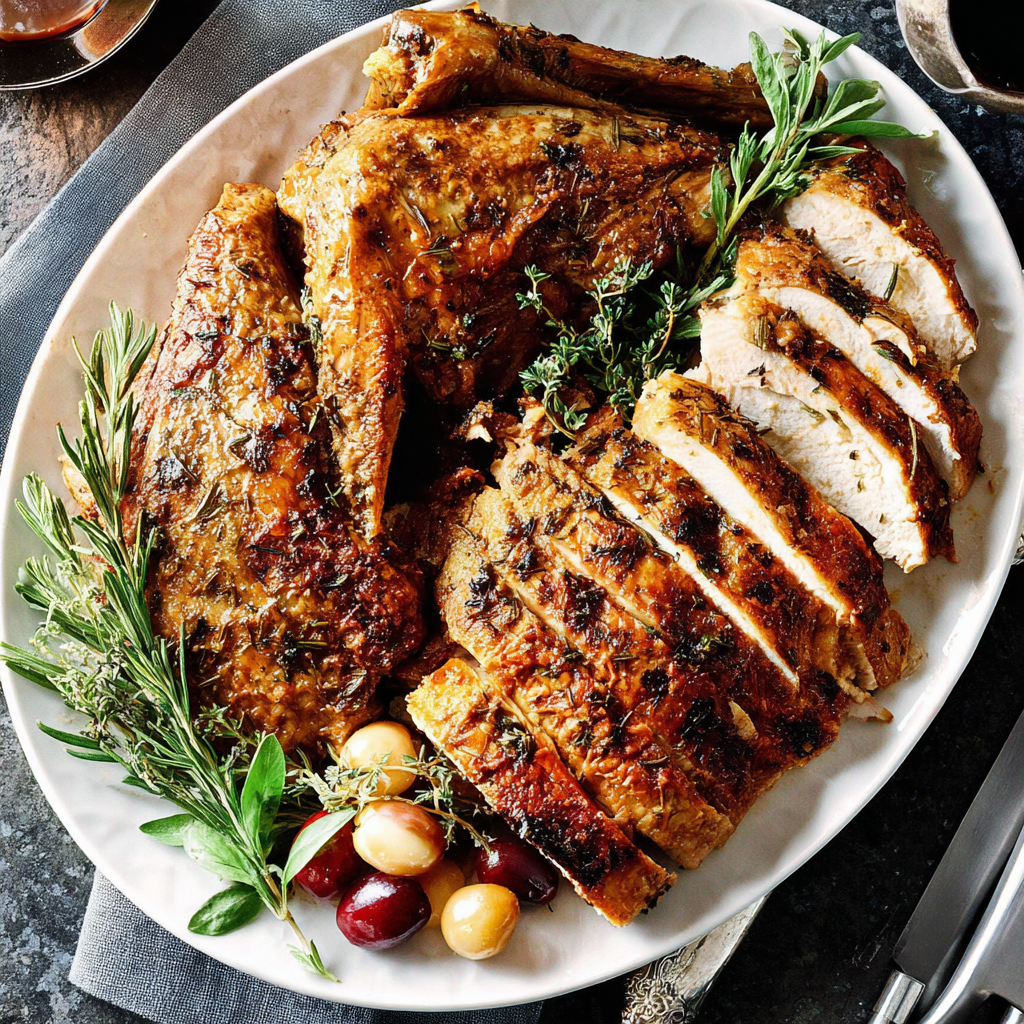
Thanksgiving is a time of gratitude, family, and, of course, a bountiful feast. The centerpiece of this holiday spread is often the turkey, but how do you make it truly memorable? A marinated turkey can be a game-changer, infusing moistness and flavor that will impress your guests.
Marinating the turkey not only enhances its taste but also ensures that each bite is succulent. It's about creating a balance of flavors that complement the traditional sides, from stuffing to cranberry sauce. By taking the time to marinate your turkey, you’re setting the stage for a Thanksgiving meal that will linger in the memories of those you serve.
Ingredients
- 1 whole turkey (12-14 lbs)
Selecting a high-quality turkey is crucial. Opt for fresh if possible, as it tends to yield a more flavorful and moist bird. - 1 cup olive oil
Olive oil will keep the turkey moist during cooking and add a rich flavor that enhances the overall taste. - 1/2 cup soy sauce
Soy sauce adds umami and depth, and its saltiness helps to tenderize the meat, allowing the flavors to penetrate deeply. - 1/2 cup apple cider vinegar
Apple cider vinegar contributes acidity, which brightens the flavor profile and helps in marinating the turkey effectively. - 3 tablespoons Dijon mustard
The sharpness of Dijon mustard adds another layer of flavor, while also creating a nice glaze over the turkey skin when roasted. - 1/4 cup maple syrup
Maple syrup introduces sweetness that balances the saltiness of the soy sauce, resulting in a rich and complex taste. - 2 tablespoons fresh rosemary, chopped
Rosemary infuses a fragrant, herbal note that complements the natural flavor of the turkey. - 1 tablespoon black pepper
Freshly ground black pepper enhances all the flavors in the marinade and adds a subtle heat. - 4 cloves garlic, minced
Garlic is a staple in marinades, adding robust flavor and depth that pairs beautifully with turkey. - 2 teaspoons salt
Salt is essential in marinades; it draws out moisture while also enhancing flavor.
Directions & Preparation
Step 1: Prepare the marinade by combining all ingredients in a bowl.
Start by mixing all ingredients in a large bowl until well combined. This step creates a harmonious blend of flavors essential for the turkey. Ensure that the salt and sugar are properly dissolved, as they play critical roles in flavor infusion and tenderization.
Step 2: Place the turkey in a large resealable bag or a non-reactive container.
Choosing the right container is important; a resealable bag allows the marinade to coat the turkey evenly. If using a container, make sure it's large enough to hold the turkey and the marinade. This ensures that every bit of the turkey is exposed to the marinade, leading to more flavorful results.
Step 3: Pour the marinade over the turkey, ensuring it's fully coated.
This step is crucial as the marinade needs to envelop the turkey completely for maximum flavor absorption. Use your hands to massage the marinade into the turkey, getting into the crevices and under the skin if possible. Refrigerate for at least 12 hours, ideally 24, to allow flavors to meld.
Step 4: Turn the turkey occasionally in the marinade.
Turning the turkey during the marinating process ensures that all parts receive an equal amount of seasoning. This also prevents uneven absorption, which can lead to some parts of the turkey being overly salty or bland. Aim for every few hours if possible.
Step 5: Preheat the oven to 325°F (163°C).
Preheating your oven is essential for even cooking. An adequately preheated oven ensures that the skin crisps up nicely while sealing in the juices of the turkey. This temperature is ideal for roasting a turkey, allowing it to cook thoroughly without drying out.
Step 6: Remove the turkey from the marinade and discard the marinade.
Discarding the marinade prevents potential bacterial contamination, as the raw turkey has been soaking in it. Pat the turkey dry with paper towels to ensure crispy skin. A dry skin allows the fat to render and helps achieve that golden-brown color.
Step 7: Place the turkey on a roasting rack in a large roasting pan.
Using a roasting rack elevates the turkey above the dripping juices and allows for even air circulation around the bird. This technique leads to a more uniform cooking process, ensuring that every part of the turkey gets the same treatment.
Step 8: Roast the turkey for about 3 to 3.5 hours, basting occasionally.
Basting serves two purposes: it adds flavor and helps to keep the meat moist. By basting the turkey with its own juices approximately every 30-45 minutes, you'll develop a beautiful, rich color and ensure the meat doesn't dry out.
Step 9: Check the internal temperature; it should reach 165°F (74°C) in the thickest part.
Using a meat thermometer is crucial for determining doneness. This step not only guarantees food safety but also ensures the turkey is perfectly cooked. Overcooking can lead to dry meat, so monitor the temperature closely.
Step 10: Let the turkey rest for at least 20-30 minutes before carving.
Resting allows the juices to redistribute throughout the turkey, making for a moister final product. Carving too soon may lead to loss of those delicious juices onto your cutting board. This step rewards your patience with a flavorful turkey.

Marinade Variations for Unique Flavors
While the suggested marinade is a fantastic option, experimenting with flavors can offer a unique twist. Consider adding citrus zest for brightness, or perhaps some smoked paprika for a hint of earthiness. Altering herbs such as thyme or adding a splash of bourbon can also create an exciting new profile. These variations can deeply personalize your Thanksgiving turkey.
Pairing Sides that Complement Marinated Turkey
Selecting the right side dishes can elevate the meal even further. Roasted root vegetables provide caramelized sweetness that harmonizes with the turkey’s marinade flavors. Additionally, a tart cranberry sauce cuts through the richness, while creamy mashed potatoes can provide a comforting counterpart. Choose sides that enhance rather than overpower the marinated turkey.
Managing Leftovers for Delicious Future Meals
Don't let any turkey go to waste! Leftovers from your marinated turkey can serve as a foundation for delightful meals. Consider making turkey sandwiches infused with flavors from the marinade or a hearty turkey soup. The marinade's complexity can transform simple dishes into something impressive, keeping the Thanksgiving spirit alive beyond the holiday.
FAQs
What if I don't have apple cider vinegar?
You can substitute it with white wine vinegar or lemon juice for a similar acidity and brightness.
How can I make sure my turkey doesn't dry out?
Basting the turkey regularly and monitoring the internal temperature with a thermometer will help keep it moist.
Can I use a different type of oil instead of olive oil?
Yes, you can opt for canola or avocado oil; both will work well without altering the flavor profile significantly.
What do I do if my marinade is too salty?
If you find the marinade too salty, consider adding more olive oil or a bit of water to dilute the saltiness slightly before marinating.
Is there an alternative to maple syrup for sweetness?
You can use honey or brown sugar, both of which will add sweetness and complexity to the marinade.
How can I adjust this recipe for a smaller turkey?
For a smaller turkey, simply reduce the ingredient quantities proportionally, maintaining the same flavor balance.
Conclusion
Marinating your Thanksgiving turkey is a simple yet effective way to ensure a flavorful and succulent centerpiece for your feast. With the right ingredients and techniques, you can impress your family and friends with minimal fuss.
This festive season, embrace the art of marination and transform your traditional turkey into a delicious culinary experience. The reward will be evident as you gather around the table, sharing stories and savoring the fruits of your labor.
Recipe Card
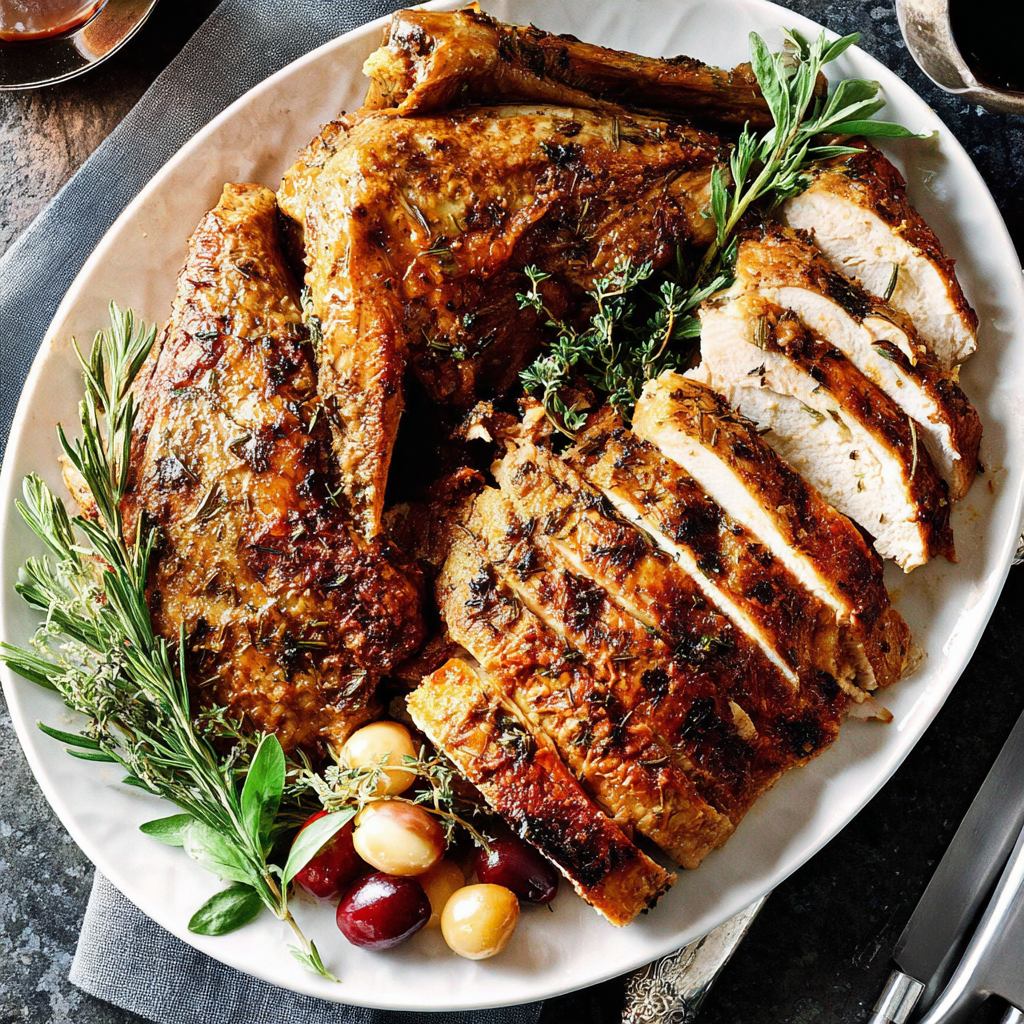
Elevate Your Thanksgiving with Marinated Turkey
Ingredients
Method
- Prepare the marinade by combining all ingredients in a bowl.
- Place the turkey in a large resealable bag or a non-reactive container.
- Pour the marinade over the turkey, ensuring it's fully coated.
- Turn the turkey occasionally in the marinade.
- Preheat the oven to 325°F (163°C).
- Remove the turkey from the marinade and discard the marinade.
- Place the turkey on a roasting rack in a large roasting pan.
- Roast the turkey for about 3 to 3.5 hours, basting occasionally.
- Check the internal temperature; it should reach 165°F (74°C) in the thickest part.
- Let the turkey rest for at least 20-30 minutes before carving.
Notes
Additional serving suggestions: pair with a crisp salad, garlic bread, or roasted seasonal vegetables for balance.
For make-ahead, prep components separately and assemble just before heating to preserve texture.
Taste and adjust with acid (lemon/vinegar) and salt right at the end to wake up flavors.