Introduction
Caramelized onion pasta with chili oil combines the deep richness of slowly cooked onions with the subtle heat of chili oil, elevating a simple dish into a gourmet experience. This accessible recipe is perfect for both beginner cooks and seasoned chefs eager to impress.
The natural sweetness of caramelized onions, paired with the warmth and spiciness from chili oil, creates a depth of flavor that lingers on the palate. Paired with al dente pasta, this dish is comforting while offering a kick that keeps it exciting.
Ingredients
- 12 ounces pasta
Choose your favorite type, such as spaghetti or fettuccine; pasta serves as the foundation of the dish, absorbing flavors from the sauce and onions. - 3 large onions
Onions are the star of this recipe. Caramelizing them transforms their sharpness into a sweet, deep flavor that infuses the pasta. - 2 tablespoons olive oil
Olive oil is essential for sautéing the onions and helps to build the base flavors. It complements the sweetness and adds richness. - 1 teaspoon salt
Salt helps to draw out moisture from the onions during caramelization. It enhances the flavor of the other ingredients, balancing the sweetness. - 1/2 teaspoon black pepper
Black pepper adds a subtle heat and earthiness that balances the sweet onions and enriches the overall taste experience. - 1/4 teaspoon red pepper flakes
Red pepper flakes bring a pleasing heat to the dish, contrasting beautifully with the sweetness of the caramelized onions. - 3 tablespoons chili oil
Chili oil provides both spice and aromatic depth, marrying the flavors of the dish while offering a slippery, inviting finish. - 1/4 cup grated Parmesan cheese
Parmesan cheese adds creaminess and a nutty flavor that rounds out the dish, enhancing both taste and texture. - Fresh basil for garnish
Fresh basil lends a pop of color and fresh flavor, uplifting the dish’s richness and adding a layer of complexity.
Directions & Preparation
Step 1: Cook the pasta according to package instructions.
Cooking the pasta properly is critical for the dish's texture. Opt for al dente, as it will continue to cook slightly when combined with the sauce. Reserve about a cup of pasta water before draining; this starchy liquid helps to adjust the sauce's consistency later.
Step 2: Prepare the onions by slicing them thinly.
Thinly sliced onions will caramelize more evenly and quickly, ensuring the sugars within are broken down properly. This step sets the stage for developing deep, complex flavors through the slow cooking process.
Step 3: Heat olive oil in a large skillet over medium heat, and add the sliced onions with salt.
Heating the oil first allows it to evenly coat the onions, ensuring they cook thoroughly. Adding salt at this point helps to extract moisture, facilitating caramelization. Stir occasionally to avoid sticking or burning.
Step 4: Caramelize the onions, stirring frequently, for 25-30 minutes until golden.
Patience is key when caramelizing onions. The goal is to achieve a rich golden-brown color through low and slow cooking, allowing natural sugars to deepen in flavor. Stir frequently to ensure even caramelization without burning.
Step 5: Add black pepper and red pepper flakes to the onions, cooking for another 2-3 minutes.
Adding spices at this stage boosts their flavors without losing their potency. The brief cooking time after adding spices allows them to bloom in the heat, introducing a warm, fragrant aroma.
Step 6: Add the cooked pasta to the onion mixture, tossing to combine.
This step is crucial as it allows the flavors to meld together. Tossing the pasta in the onion mixture helps to coat it evenly with the sweet and spicy elements, ensuring every bite is packed with flavor.
Step 7: Drizzle in the chili oil and a little reserved pasta water as needed, tossing to coat.
Chili oil enriches the dish, enhancing flavors and introducing heat. The reserved pasta water can help loosen the sauce if it feels too dry. Aim for a glossy finish where each strand of pasta is evenly coated.
Step 8: Serve topped with grated Parmesan and fresh basil.
Topping with cheese and basil adds a fresh element and a savory kick. Parmesan melts slightly from the heat of the pasta, enriching the dish. Fresh basil brings brightness, balancing the deep flavors of the onions and chili oil.

The Art of Perfectly Caramelized Onions
Caramelizing onions is a simple yet transformative technique that elevates the flavor profile of any dish. The process involves cooking onions at low heat, allowing their natural sugars to develop a rich sweetness without burning. The key is patience; the longer you cook them, the more complex their flavor becomes. A splash of vinegar or a touch of sugar can enhance their sweetness, but often, simple slow cooking yields the best results.
Choosing the Right Chili Oil
While homemade chili oil can be made easily by infusing oil with dried chilies and spices, store-bought versions offer remarkable convenience. Consider the heat level and flavor profile; some oils are infused with garlic or herbs, adding another layer of complexity. A good chili oil should complement rather than overpower the dish. Drizzle it lightly; it can always be added more if desired after tasting.
Elevating Leftovers into Gourmet Meals
Leftover caramelized onion pasta can be easily transformed into an entirely new meal. Consider adding proteins like grilled chicken or sautéed shrimp for a complete dish. Alternatively, mix in seasonal vegetables for freshness and nutrition. A brief reheat in a skillet with a splash of stock or water keeps the pasta moist while enhancing flavors. The dish shows versatility, making it a staple you'll crave even the next day.
FAQs
What can I adjust if my pasta seems too dry?
If the pasta appears dry, add a little of the reserved pasta water while tossing in the chili oil. This starchy water will help achieve the desired saucy consistency.
What should I do if my onions burn while caramelizing?
If your onions start to burn, immediately reduce the heat and add a splash of water or broth to deglaze the pan. Stir well to lift any burnt bits, salvaging the dish.
Can I make this dish with different types of pasta?
Absolutely! While traditional choices like spaghetti or fettuccine work beautifully, feel free to experiment with other pasta varieties such as penne or rigatoni for added texture.
Do I have to use fresh basil for garnish?
While fresh basil adds a vibrant kick, you can substitute it with other fresh herbs like parsley or even a sprinkle of dried Italian seasoning.
What if my caramelized onions taste too sweet?
If the onions end up tasting overly sweet, balance the flavors by adding an extra pinch of salt or a splash of vinegar to enhance the savory qualities.
How can I amp up the flavor profile of this dish further?
For an added depth, consider incorporating a splash of white wine or balsamic vinegar while cooking the onions. Both can elevate the overall taste significantly.
Conclusion
Caramelized onion pasta with chili oil is a delightful combination of flavors and textures that transforms a simple meal into something truly special. The slow-cooked onions bring a sweetness that perfectly complements the spicy kick of the oil, making each bite an adventure.
This dish not only satisfies the palate but also showcases the beauty of simple ingredients coming together. Enjoy this pasta on a cozy night in or impress guests at your next gathering—either way, it’s sure to become a favorite.
Recipe Card
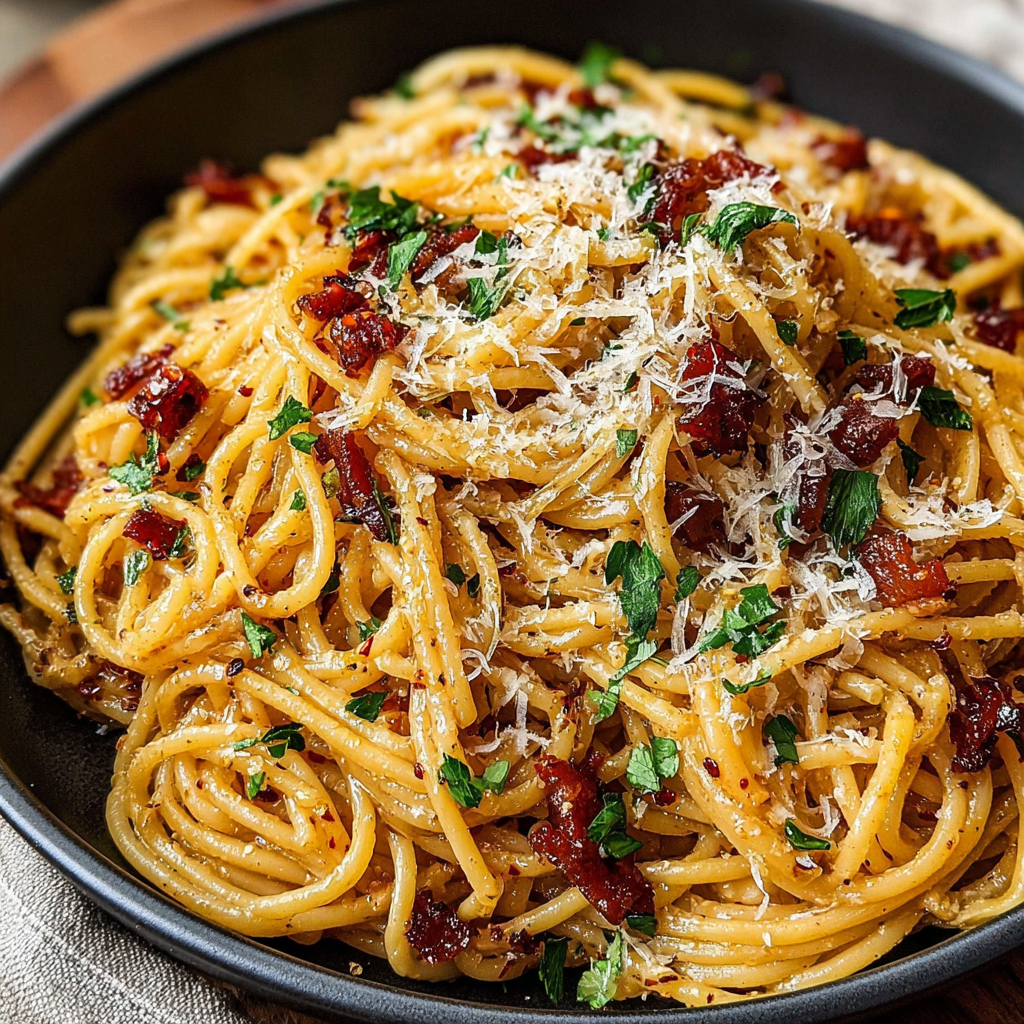
Elevated Pasta with Caramelized Onions and Chili Oil
Ingredients
Method
- Cook the pasta according to package instructions.
- Prepare the onions by slicing them thinly.
- Heat olive oil in a large skillet over medium heat, and add the sliced onions with salt.
- Caramelize the onions, stirring frequently, for 25-30 minutes until golden.
- Add black pepper and red pepper flakes to the onions, cooking for another 2-3 minutes.
- Add the cooked pasta to the onion mixture, tossing to combine.
- Drizzle in the chili oil and a little reserved pasta water as needed, tossing to coat.
- Serve topped with grated Parmesan and fresh basil.
Notes
Additional serving suggestions: pair with a crisp salad, garlic bread, or roasted seasonal vegetables for balance.
For make-ahead, prep components separately and assemble just before heating to preserve texture.
Taste and adjust with acid (lemon/vinegar) and salt right at the end to wake up flavors.