Introduction
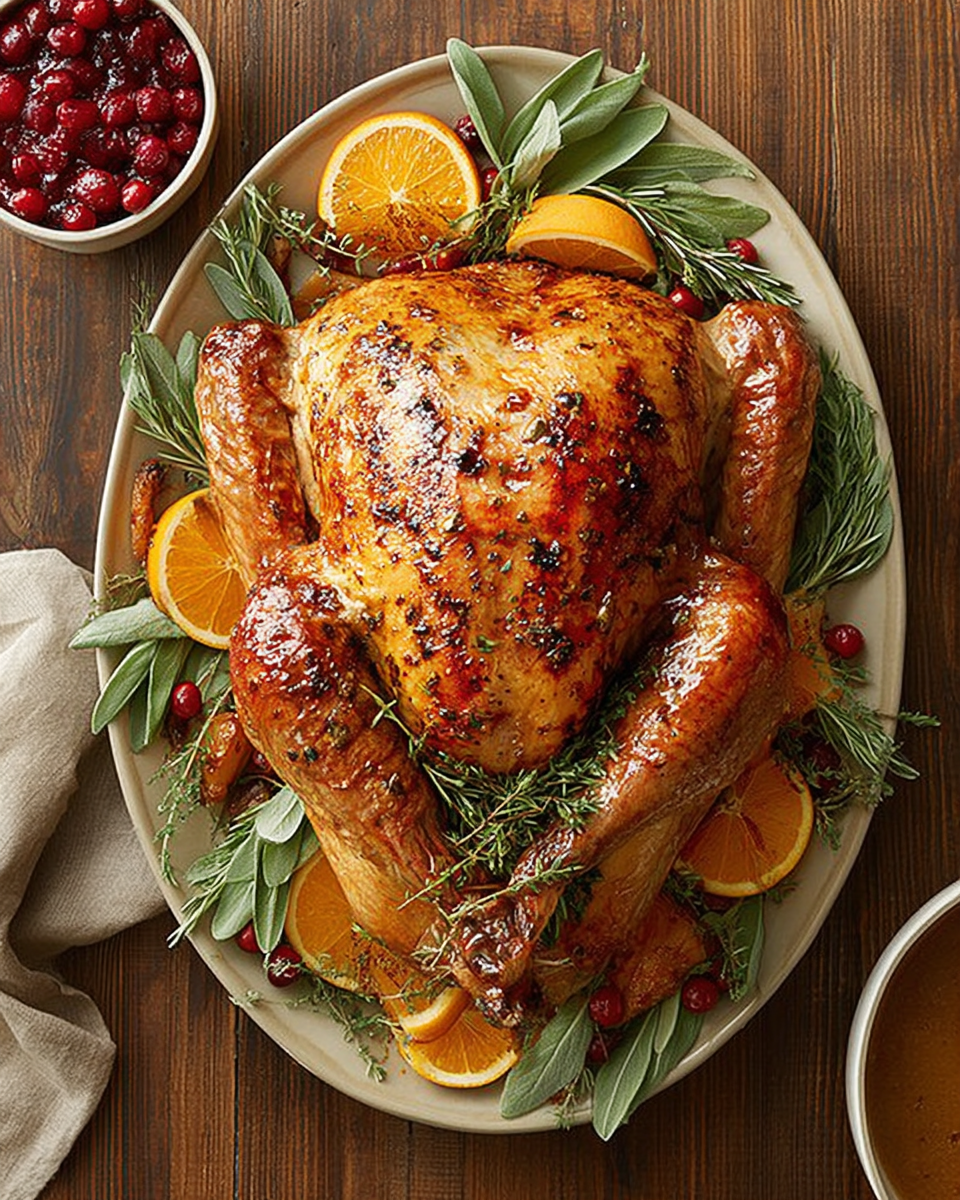
Roasting a turkey is a time-honored tradition that brings warmth and joy to your dining table. Whether it's for a family gathering or a holiday celebration, the perfect roast turkey can be the centerpiece that ties everything together.
With its golden-brown exterior and succulent meat, a well-cooked turkey is an achievement to celebrate. While the prospect of preparing one might seem daunting, following the right techniques can make it a rewarding experience for any home cook.
Ingredients
- 1 whole turkey (12-14 pounds)
The turkey is the star ingredient, bringing its rich flavor and providing the structure of the meal. A bird of this size typically serves 8-10 people, making it ideal for gatherings. - 1/2 cup unsalted butter, softened
Butter is crucial for basting, helping to keep the turkey moist while adding flavor. It also contributes to that beautifully crisp skin we all crave. - 2 tablespoons kosher salt
Salt enhances the turkey's natural flavors and helps in brining when applied ahead of time. It’s vital for ensuring that the meat is seasoned throughout. - 1 tablespoon black pepper
Black pepper adds depth and warmth to the flavor profile. A good amount seasons the turkey well without overpowering its natural taste. - 2 cups low-sodium chicken broth
Chicken broth is used to keep the turkey moist during roasting and adds a savory backbone to the gravy. It also acts as a base for baste and stuffing. - 4 cups cubed bread (preferably stale)
Bread forms the foundation for stuffing, soaking up flavors and moisture while adding texture. Stale bread has the right consistency for optimal absorption. - 1 medium onion, chopped
Onion provides aromatic flavor to the stuffing, offering sweetness as it cooks down. It enhances the overall profile of the dish. - 2 stalks celery, chopped
Celery adds crunch and an additional layer of flavor to the stuffing, balancing the richness from butter and broth. - 1 tablespoon fresh sage, chopped
Sage is a classic herb for turkey, contributing a warm, woodsy aroma and delicious flavor that complements the meat. - 1 tablespoon fresh thyme, chopped
Thyme works well with turkey, imbibing the dish with its earthy notes. It’s another key factor in layering flavors. - 1 tablespoon fresh rosemary, chopped
Rosemary provides a fragrant and robust finish, enhancing the turkey with a slightly piney flavor that pairs beautifully with poultry. - Juice of 1 lemon
Lemon juice cuts through the richness, adding brightness to both the turkey and any sides. It's excellent in marinades and baste. - 1/2 cup white wine (optional)
Wine can add depth to the baste for a more nuanced flavor. If used, it’ll complement the turkey’s savories while deglazing for gravy.
Directions & Preparation
Step 1: Thaw the turkey if frozen.
Thawing your turkey correctly is essential to ensure even cooking. Place it in the refrigerator for 24 hours for every 4-5 pounds of turkey. This gradual thaw helps prevent bacterial growth and ensures your bird is ready for seasoning.
Step 2: Prepare the brine and season the turkey.
Using kosher salt, massage it into the turkey's skin to enhance flavor and moisture. If you opt to brine the turkey in saltwater overnight, it will further infuse juiciness into the meat. An adequately seasoned turkey will yield delightful results.
Step 3: Prepare the stuffing.
Sauté onions and celery in butter until soft, then mix with bread cubes and herbs. This step brings together flavors and textures that will enhance the turkey. Remember that stuffing should be moist but not soggy.
Step 4: Preheat your oven to 325°F (165°C).
Preheating the oven is crucial for achieving an evenly cooked turkey. Starting at the right temperature helps ensure that the skin crisps up while the meat cooks without becoming dry.
Step 5: Stuff the turkey cavity loosely.
When stuffing, ensure it's loose enough for steam to circulate. This step is vital for even cooking; a cramped cavity holds moisture and can lead to uneven results. Any leftover stuffing can be baked separately.
Step 6: Truss the turkey and place it in a roasting pan.
Trussing helps the turkey cook uniformly and preserves its shape, improving presentation. A roasting pan allows ample airflow and space for the drippings, which will later be used for gravy.
Step 7: Rub softened butter over the skin and season with pepper.
Coating the turkey with butter promotes browning and adds richness. The pepper enhances the skin’s flavor, which will develop a beautiful crust as it roasts.
Step 8: Roast in the oven, basting periodically with broth.
Basting every 30-45 minutes with broth or pan drippings moisturizes the bird and deepens flavors. It’s essential that you keep the oven door closed to maintain temperature. Aim for an internal temperature of 165°F (74°C).
Step 9: Remove from the oven and rest before carving.
Resting allows juices to redistribute throughout the turkey, which is essential for tender slices. Cover loosely with foil and let it sit for at least 20-30 minutes prior to carving to maximize juiciness.
Step 10: Carve and serve your turkey.
Carving the turkey correctly ensures that you get nice, even slices. Start by removing the legs and wings before slicing the breast. Serve with your choice of sides and gravy for a memorable meal.

The Importance of Brining Your Turkey
Brining is one of the most effective techniques for ensuring moist and flavorful turkey. When you soak the turkey in a solution of water and salt, it allows the meat to absorb flavor and retain moisture during roasting. This reduces the risk of dry, overcooked turkey and enhances the overall taste experience, ensuring every bite is juicy.
Basting Techniques for Optimal Flavor
Basting goes beyond tradition; it is pivotal for building flavor and moistness in the meat. Alternating between broth, wine, or melted butter creates a luscious pan sauce as drippings accumulate. Utilizing a baster, spoon, or even skimming the pan juices periodically ensures a delicious crust and prevents dryness.
Creating Perfect Gravy from Your Drippings
The leftover drippings are a culinary treasure. Once you remove the turkey, use the rich juices to make a savory gravy. By incorporating flour or cornstarch to create a roux, you can utilize the flavor-packed liquid and connect it back to your main dish, ensuring each component shines during the meal.
FAQs
What do I do if my turkey isn’t browning?
If your turkey isn't browning, it may be due to insufficient fat on its skin or too low a temperature. Increase the oven temperature slightly, and baste with butter or oil to encourage browning.
Can I roast a smaller turkey?
Yes, you can roast a smaller turkey. Just adjust cooking time based on the weight—generally, it’s about 13-15 minutes per pound at 325°F. Always check for the proper internal temperature.
What if my turkey is overcooked?
If your turkey is overcooked, it can appear dry. To combat this, serve with generous amounts of gravy to enhance moisture, or shred the meat for use in other dishes.
How can I enhance the flavor of the stuffing?
Enhancing stuffing flavor can be achieved by adding sautéed mushrooms or dried fruits like cranberries and herbs. Additionally, using homemade broth boosts density in flavor.
What if the turkey is too salty after brining?
If the turkey comes out too salty, rinse the skin lightly before seasoning and roasting. Serving it with gravy can also help balance flavors.
Can I use a different type of fat for the roast?
Absolutely! While butter is classic, you can use olive oil or duck fat for unique flavor profiles. Adjust the amounts to ensure proper coverage over the turkey.
What should I do if the stuffing is too dry?
If the stuffing is too dry, add more broth gradually until it's the desired consistency. Alternatively, a bit of melted butter can also enhance moisture.
How can I ensure even cooking throughout the turkey?
To ensure even cooking, let the turkey rest at room temperature for 30 minutes before roasting. Also, insert a meat thermometer into the thickest part of the thigh without touching the bone.
Conclusion
Roasting a classic turkey combines technique, patience, and love, resulting in a meal that creates memories. The aromas of a roasting turkey filling your home can’t be matched, and the satisfaction of serving it is truly rewarding.
Don’t hesitate to embrace the process; every step counts toward achieving that perfect roast. Enjoy the journey and the gathering it brings, celebrating each moment shared over good food.
Recipe Card
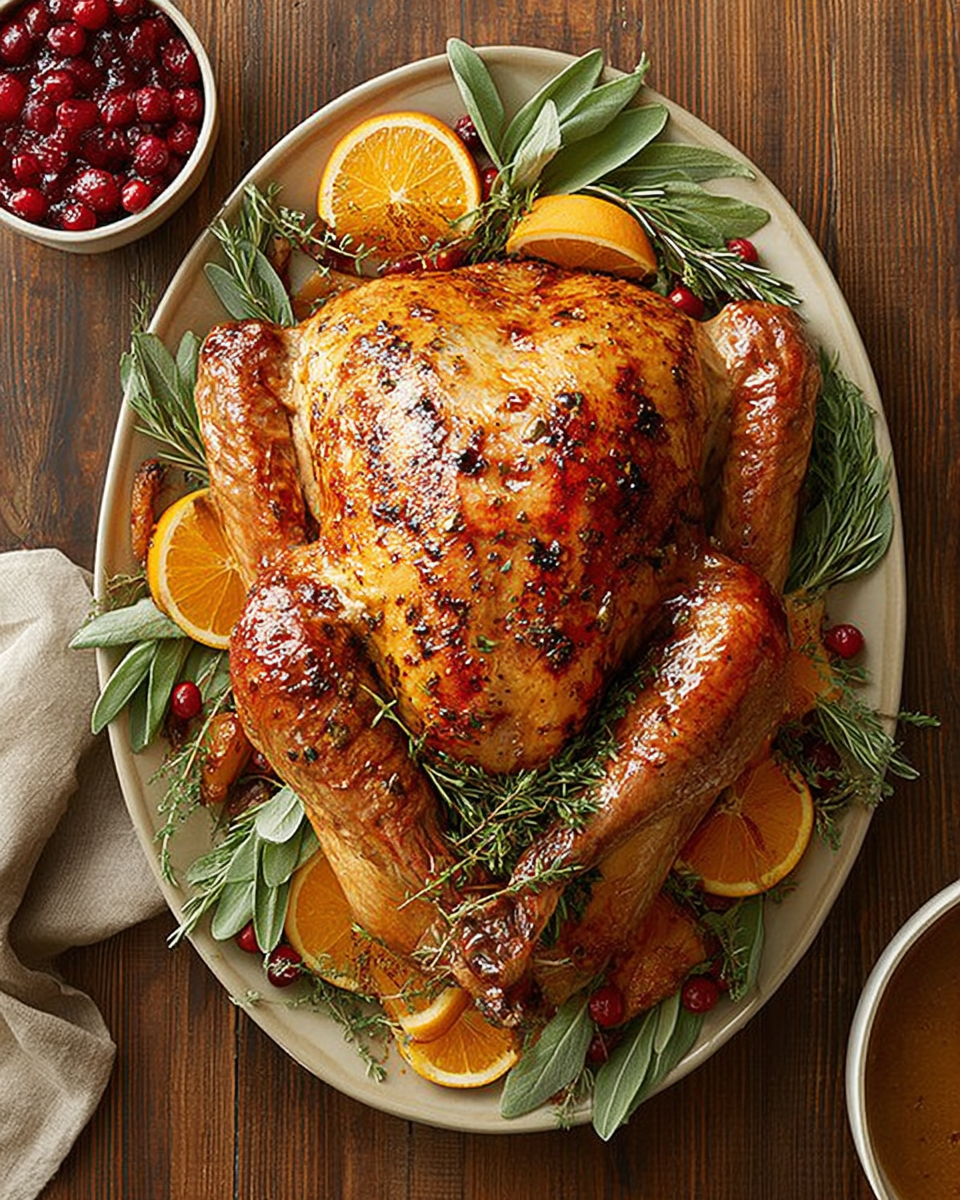
Mastering the Art of Classic Roast Turkey
Ingredients
Method
- Thaw the turkey if frozen.
- Prepare the brine and season the turkey.
- Prepare the stuffing.
- Preheat your oven to 325°F (165°C).
- Stuff the turkey cavity loosely.
- Truss the turkey and place it in a roasting pan.
- Rub softened butter over the skin and season with pepper.
- Roast in the oven, basting periodically with broth.
- Remove from the oven and rest before carving.
- Carve and serve your turkey.
Notes
Additional serving suggestions: pair with a crisp salad, garlic bread, or roasted seasonal vegetables for balance.
For make-ahead, prep components separately and assemble just before heating to preserve texture.
Taste and adjust with acid (lemon/vinegar) and salt right at the end to wake up flavors.