Introduction
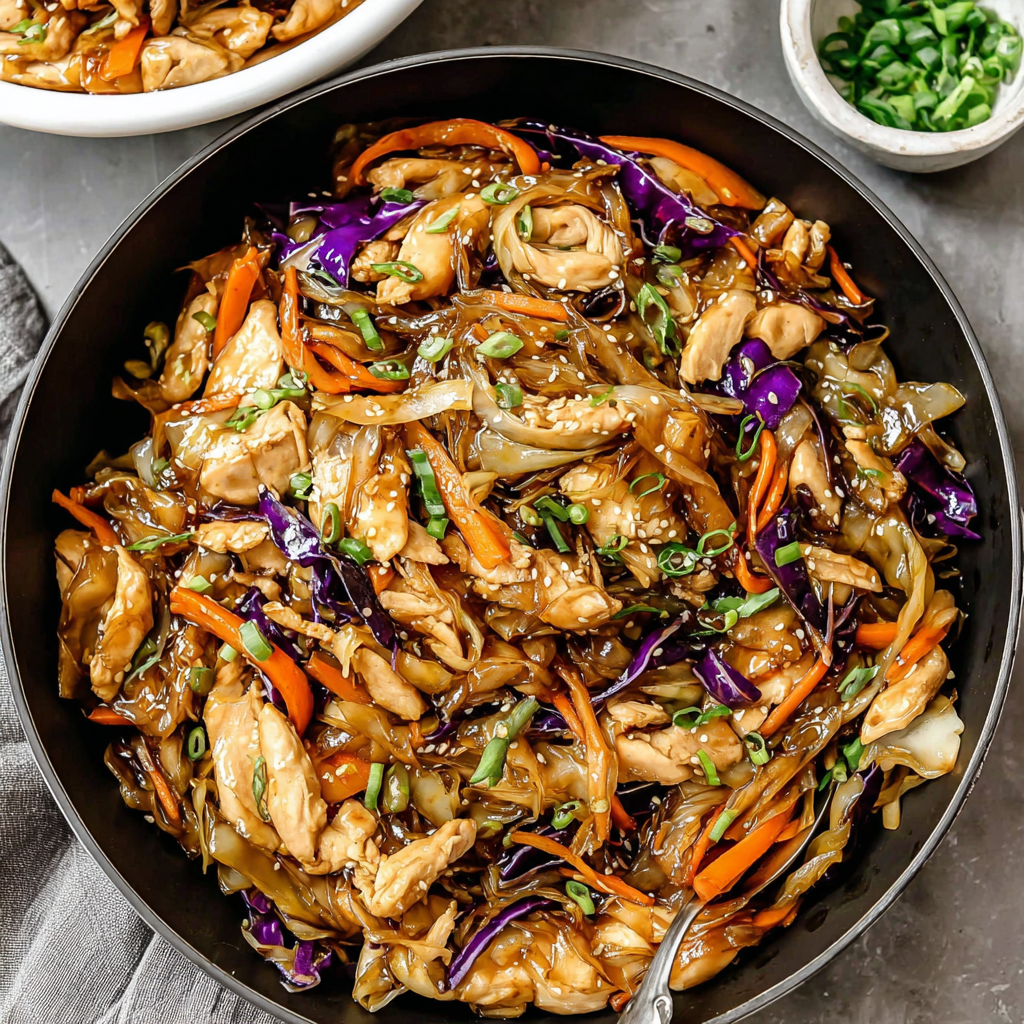
Moo Shu Chicken is a delightful dish that perfectly marries tender chicken with an array of vibrant vegetables. This classic Chinese recipe is not only easy to prepare but also packed with flavor, making it an ideal choice for any home cook looking to impress. With its crispy textures and aromatic sauces, this dish transports you to the streets of Beijing from the comfort of your kitchen.
The heart of Moo Shu Chicken lies in its simple yet effective mix of ingredients that come together to create a symphony of taste. As you work through this recipe, you'll appreciate the balance of savory, sweet, and umami flavors, all wrapped in soft pancakes or served over rice. It’s a meal that offers convenience without sacrificing taste, perfect for busy weeknights or cozy weekends.
Ingredients
- 1 lb boneless, skinless chicken breast
Chicken breast serves as the main protein in the dish. Its mild flavor easily absorbs the surrounding seasonings, providing a hearty foundation for Moo Shu. Opt for fresh, high-quality chicken for the best texture. - 2 cups Napa cabbage, shredded
Napa cabbage adds crunch and a slightly sweet flavor, balancing the dish's richness. It softens beautifully during cooking, contributing to the overall texture while retaining nutrients. - 1 cup shiitake mushrooms, sliced
Shiitake mushrooms introduce an earthy depth and meaty texture to Moo Shu Chicken. They absorb the flavors of the sauce, enhancing the dish with a satisfying umami profile. - 1 medium carrot, julienned
Carrots offer a natural sweetness and a vibrant color appeal. Their crunchiness contrasts nicely with the tender chicken and cabbage, creating a varied mouthfeel. - 3 green onions, sliced
Green onions add a fresh, sharp bite that lightens the dish. They bring a hint of onion flavor without overwhelming, making them an essential garnish. - 2 tsp garlic, minced
Garlic infuses the dish with its signature aroma and flavor. Its pungency enhances the overall dish, making every bite more savory. - 2 tsp ginger, minced
Ginger provides a warm spice and freshness, complementing the other ingredients. It aids digestion and offers a distinctive zing to the dish. - 3 tbsp soy sauce
Soy sauce brings a salty, savory depth to the dish. It’s the backbone of the flavor profile, contributing to the overall richness you'll savor. - 1 tbsp rice vinegar
Rice vinegar adds a subtle acidity that brightens the flavors. Its tartness balances the sweetness of the other ingredients, ensuring a well-rounded taste. - 1 tsp sesame oil
Sesame oil is used as a finishing touch; its nutty taste enhances the dish and provides a rich aroma. A little goes a long way, making it a powerful addition. - 8 round pancakes or tortillas
Pancakes or tortillas serve as a vehicle to enjoy the Moo Shu filling. They offer a soft base that carries the ingredients, making every bite delightful.
Directions & Preparation
Step 1: Prepare the Chicken
Begin by slicing the chicken breast into thin strips. This allows for even cooking and ensures each piece absorbs the marinade effectively. Coat the strips in soy sauce and let them marinate for about 15-20 minutes for enhanced flavor. This step is essential as it starts building the savory profile of the dish.
Step 2: Cook the Chicken
Heat a non-stick skillet over medium-high heat and add a splash of oil. Once the oil shimmers, add the marinated chicken and sauté until it's fully cooked, around 5-7 minutes. This step locks in juices and develops a lovely sear, giving the chicken flavor and texture. Ensure the chicken is fully cooked to avoid any health risks.
Step 3: Sauté the Vegetables
In the same skillet, add garlic, ginger, and the mixed vegetables—Napa cabbage, shiitake mushrooms, and carrots. Stir-fry until the vegetables are tender yet crisp, about 5-6 minutes. This step allows the vegetables to retain their colors, flavors, and nutrients, enhancing the overall texture of the Moo Shu.
Step 4: Combine and Flavor
Return the cooked chicken to the skillet, and pour in the remaining soy sauce, rice vinegar, and sesame oil. Stir well to combine all ingredients and cook for a few more minutes. This step ensures every element is coated in flavor and the sauce thickens slightly, making it more savory and cohesive.
Step 5: Warm the Pancakes
While the Moo Shu mixture is finishing, warm the pancakes or tortillas in a separate skillet for about 30 seconds on each side. This makes them pliable and ready for wrapping. Warming enhances the texture, allowing you to easily roll and enjoy your Moo Shu without tearing.
Step 6: Assemble and Serve
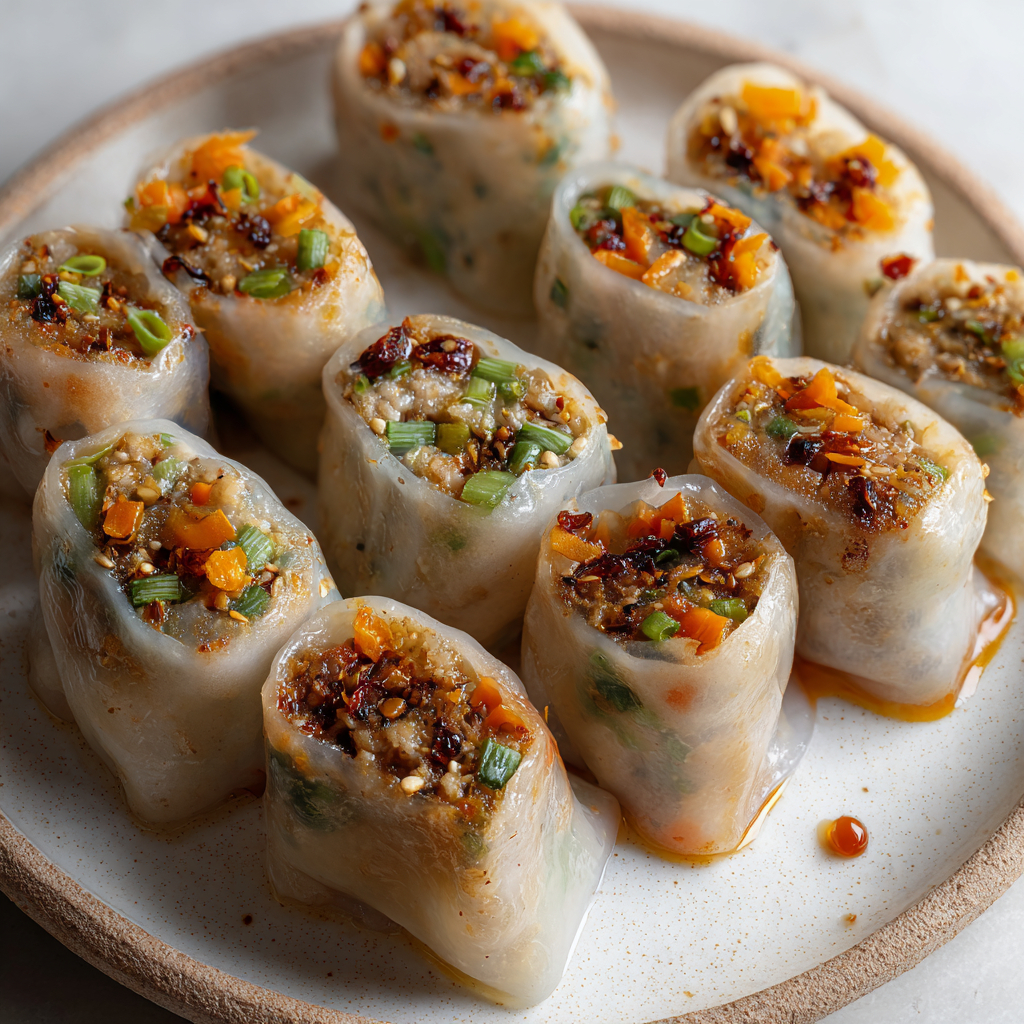
Once the Moo Shu Chicken is cooked and the pancakes are ready, place a few spoonfuls of the mixture onto each pancake. Roll them up tightly and serve warm. This final step is where you assembled all your efforts into a delightful meal that's fun to eat and visually appealing!

Choosing the Right Vegetables
Moo Shu Chicken traditionally includes various stir-fried vegetables that add flavor and texture. Napa cabbage is a classic choice due to its mild flavor and crunchy texture. Shiitake mushrooms not only enhance the umami flavor but also contribute to the dish's richness. Feel free to experiment with other vegetables like bell peppers or bean sprouts to customize the dish to your taste.
Perfecting the Sauce
The seasoning sauce for Moo Shu Chicken is crucial for flavor. Balancing soy sauce and rice vinegar creates a depth that ties the dish together. For a sweeter variation, consider adding a splash of hoisin sauce, which complements the savory elements beautifully. Adjust the amounts based on your preference for saltiness or acidity.
Serving Suggestions that Elevate Your Meal
While Moo Shu Chicken is delightful on its own, consider pairing it with steamed jasmine rice or a side of stir-fried greens for a complete meal. Adding sliced cucumbers or pickled vegetables can also introduce a refreshing contrast to the savory flavors, elevating your dining experience. Don't forget to provide extra hoisin sauce on the side for those who enjoy a saucier bite.
FAQs
What can I do if my Moo Shu sauce is too thick?
If the sauce is too thick, you can loosen it by adding a small amount of water or low-sodium chicken broth. Stir continuously until the desired consistency is achieved.
How can I make Moo Shu Chicken spicier?
To add more heat, consider incorporating chili garlic sauce or red pepper flakes while cooking the chicken. Adjust to your personal heat preference for the best taste.
Can I substitute chicken with tofu for a vegetarian version?
Absolutely! Tofu can be an excellent substitute. Use firm or extra-firm tofu for the best texture; press it to remove excess moisture before marinating and cooking.
What if the vegetables turn out too soggy?
If your vegetables are soggy, ensure you’re not overcooking them. Stir-fry on high heat and add them after the protein to achieve that perfect crisp-tender texture.
What are the best ways to serve Moo Shu Chicken?
Moo Shu Chicken can be served wrapped in warm pancakes with extra sauce on the side. It also pairs wonderfully with steamed rice, adding versatility to your meal.
Can I use frozen vegetables for this recipe?
While fresh vegetables offer the best texture, you can use frozen ones in a pinch. Just be sure to thaw and drain them before adding to avoid excess water.
Conclusion
Moo Shu Chicken is a fantastic option for a quick yet flavorful meal that will please both family and friends. With its vibrant colors and textures, it's not only a delight to eat but also a joy to prepare. Remember, the beauty of this dish lies in its adaptability—feel free to mix and match ingredients based on your preferences and seasonality.
As you master this recipe, you'll find yourself exploring more delicious variations, making each dining experience uniquely yours. Enjoy the process and the flavors that come together in this delicious dish!
Recipe Card
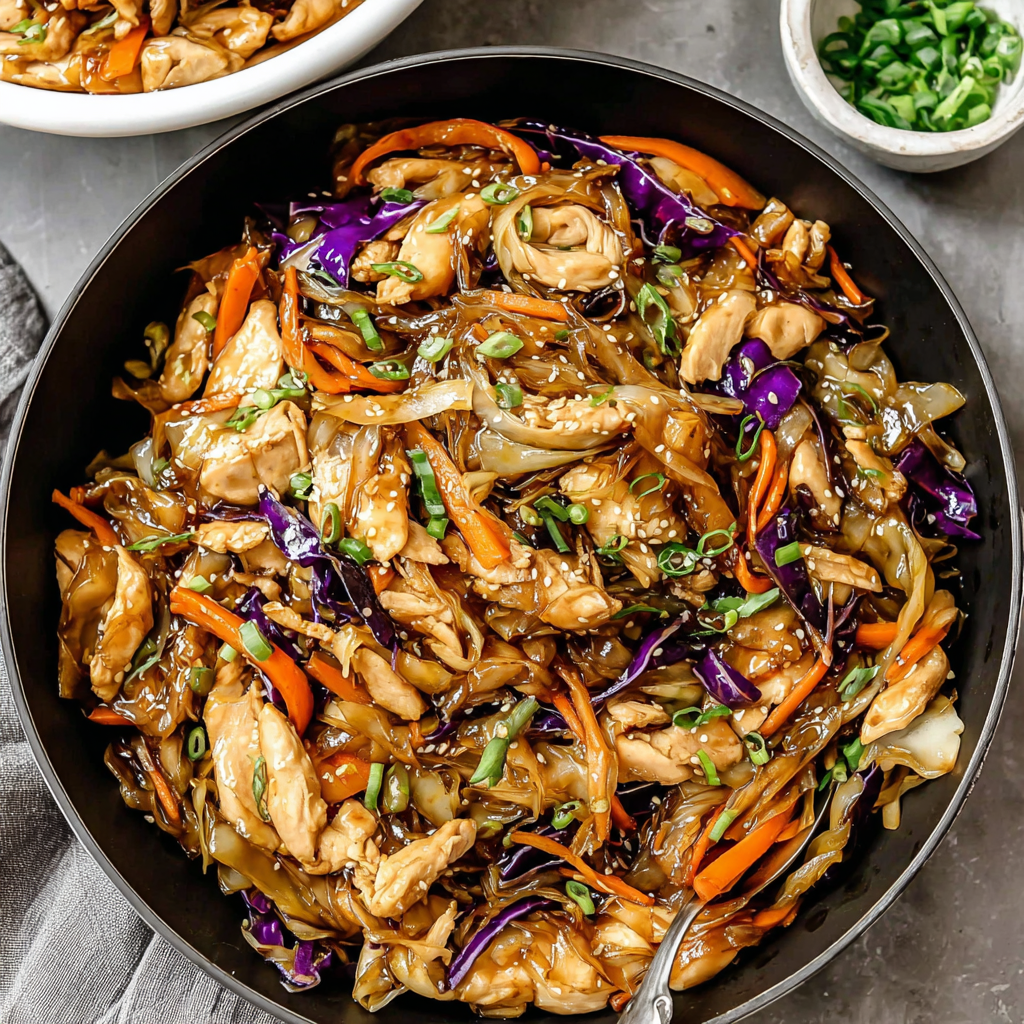
Moo Shu Chicken: A Flavorful and Easy Recipe!
Ingredients
Method
- Prepare the Chicken
- Cook the Chicken
- Sauté the Vegetables
- Combine and Flavor
- Warm the Pancakes
- Assemble and Serve
Notes
Additional serving suggestions: pair with a crisp salad, garlic bread, or roasted seasonal vegetables for balance.
For make-ahead, prep components separately and assemble just before heating to preserve texture.
Taste and adjust with acid (lemon/vinegar) and salt right at the end to wake up flavors.