Introduction
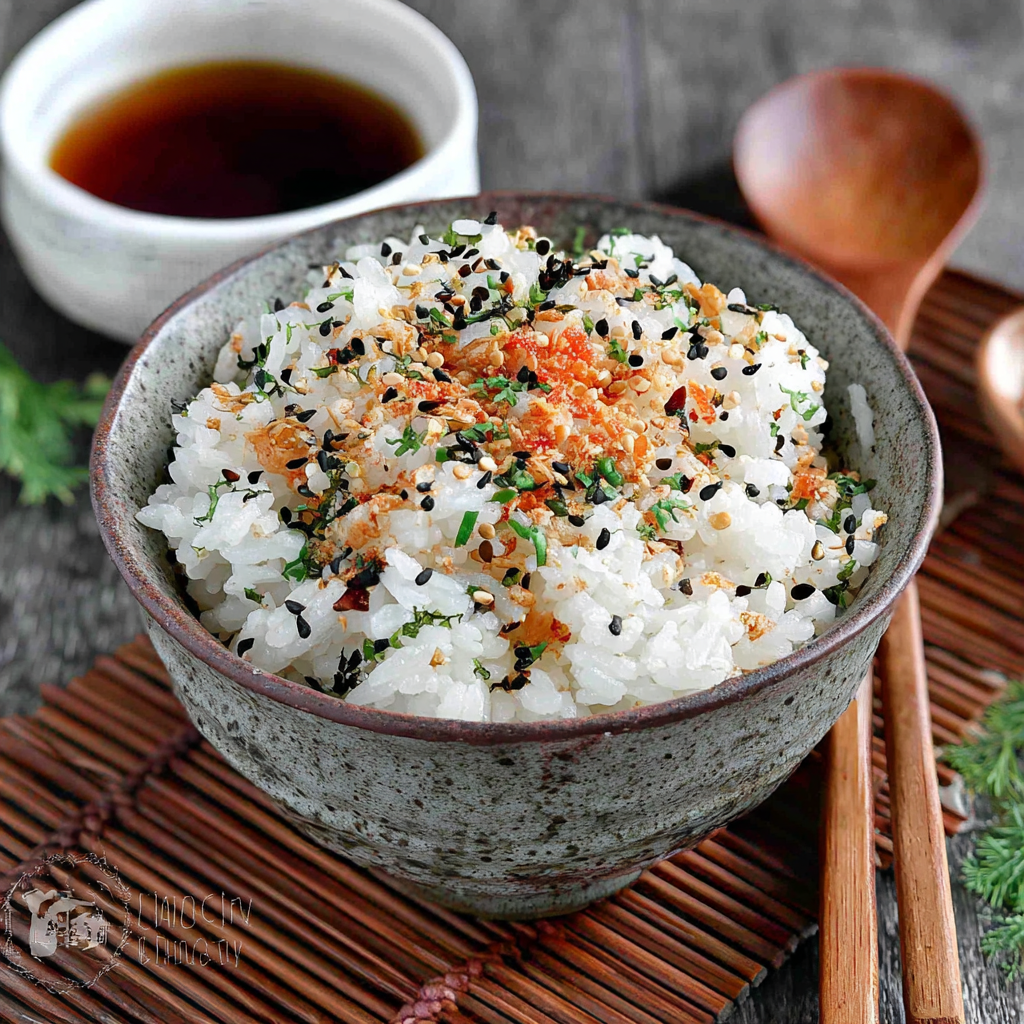
Japanese white rice, known as 'shinpaku' when polished, is a staple of Japanese cuisine, celebrated for its delicate flavor and fluffy texture. Unlike other rice varieties, it offers a naturally sticky quality that makes it ideal for sushi, onigiri, and a myriad of homestyle dishes.
The methods of preparation may differ slightly across households, but the principles remain grounded in tradition and care. Cooking this rice correctly enhances your meals, providing a comforting base for any dish or a stand-alone delicacy.
In this exploration, we'll delve into not only how to cook Japanese white rice perfectly but also the nuances that make each grain a delightful experience for your palate.
Ingredients
- 2 cups Japanese white rice
Japanese white rice is short-grain rice that becomes tender yet sticky when cooked. It’s essential for dishes like sushi and pairs well with various Japanese fare, allowing flavors to meld beautifully. - 2 1/2 cups water
Water is crucial for binding the grains together while softening their texture. The right water-to-rice ratio ensures that the rice cooks evenly, absorbing moisture adequately without becoming mushy. - 1 tablespoon rice vinegar
Rice vinegar adds a subtle tang to the rice, enhancing its flavor. This ingredient is especially beneficial if you're making sushi rice, helping to complement the sweet and savory notes of other ingredients. - 1 teaspoon salt
Salt elevates the flavor of the rice, making it more palatable. It balances the natural sweetness of the rice, ensuring a harmonious taste in every bite.
Directions & Preparation
Step 1: Rinse the rice thoroughly under cold water.
Rinsing is vital to remove excess starch from the rice, which can lead to overly sticky rice when cooked. By rinsing until the water runs clear, you ensure that the grains remain separate and fluffy after cooking.
Step 2: Soak the rice for about 30 minutes.
Soaking allows the grains to absorb some water before cooking, leading to a more even texture. This step is particularly important for Japanese white rice, as it helps achieve that ideal tender yet slightly chewy bite.
Step 3: Add the soaked rice and water into the rice cooker.
Using a rice cooker simplifies the cooking process, making it consistent and straightforward. The measured water ensures the rice cooks properly; if you prefer to use a pot, maintain the same ratio of water to rice.
Step 4: Season the water with salt and rice vinegar.
Adding salt and rice vinegar at this stage incorporates flavor directly into each grain as they cook. The vinegar contributes to the characteristic taste of sushi rice, enhancing overall flavor complexity.
Step 5: Cook the rice according to the rice cooker settings.
Cooking time can vary depending on the rice variety and cooker model, but following the manufacturer's guidelines ensures proper texture. Avoid peeking into the cooker too often as this can disrupt the steaming process, leading to uneven cooking.
Step 6: Let the rice sit for 10-15 minutes after cooking.
Allowing the rice to rest post-cooking helps redistribute moisture within the grains. This resting time results in fluffier rice, making it easier to serve and enjoy without clumping, especially if you're serving immediately.
Step 7: Fluff the rice gently with a rice paddle and serve.
Fluffing the rice gently separates the grains without breaking them. Use a paddle or fork to lift the rice rather than stirring aggressively, which helps maintain the texture and fluffy quality you've aimed for.

Crafting the Perfect Sushi Rice
To transform your rice into the perfect sushi base, adding rice vinegar is essential. A mixture of rice vinegar, sugar, and salt creates a subtly sweet and tangy profile. After cooking and resting, gently fold this mixture into your rice using a cutting motion, ensuring even distribution. The sweetness complements the fillings and toppings, enhancing the overall sushi experience.
Elevating Simple Rice Bowls
Japanese white rice serves as an excellent foundation for a variety of rice bowls. Consider layering your cooked rice with seasonal vegetables, proteins, or even a drizzle of teriyaki sauce. The slightly sticky texture of the rice ensures all the delicious toppings cling together, creating a harmonious bite with every spoonful.
Using Rice in Bento Boxes
Japanese white rice is a staple in bento boxes, offering a hearty base that balances out pickled vegetables and proteins. To enhance visual appeal and flavor, consider molding the rice into shapes or adding a sprinkle of furikake on top. The rice can also be made with added ingredients like edamame or sesame seeds for variety, making your bento both nutritious and delightful.
FAQs
What if my rice turns out too sticky?
If your rice is too sticky, it likely retained too much starch. Ensure you rinse the rice thoroughly before soaking and consider adjusting the water ratio slightly next time.
Can I adjust the recipe for a larger batch?
Absolutely! Just maintain the same water-to-rice ratio of 1:1.25, adjusting only the cooking time as larger quantities may require additional time.
Is it acceptable to mix in other flavors during cooking?
Yes! You can infuse flavors by adding ingredients like kombu (seaweed) during cooking. Just remove it before serving for a subtle umami boost.
What to do if the rice is undercooked?
If the rice is undercooked, add a small amount of water (a few tablespoons) and steam it on low heat until it becomes tender. This technique allows the grains to soften without overcooking.
How can I enhance the aroma of the rice?
For an aromatic twist, consider adding a small piece of ginger or a few pandan leaves during cooking to elevate the fragrance. Just remember to remove them before serving.
Can I use other types of rice for this recipe?
While Japanese white rice is ideal for authentic results, you can experiment with short-grain varieties. However, avoid long-grain rices as they won't provide the same texture.
Conclusion
Mastering the art of cooking Japanese white rice is a rewarding endeavor for any home cook. As a versatile staple, rice can elevate a variety of dishes while providing essential comfort in your meals.
With proper techniques in mind, you can ensure that your rice turns out perfectly every time, allowing you to explore and enjoy the rich flavors of Japanese cuisine.
Recipe Card
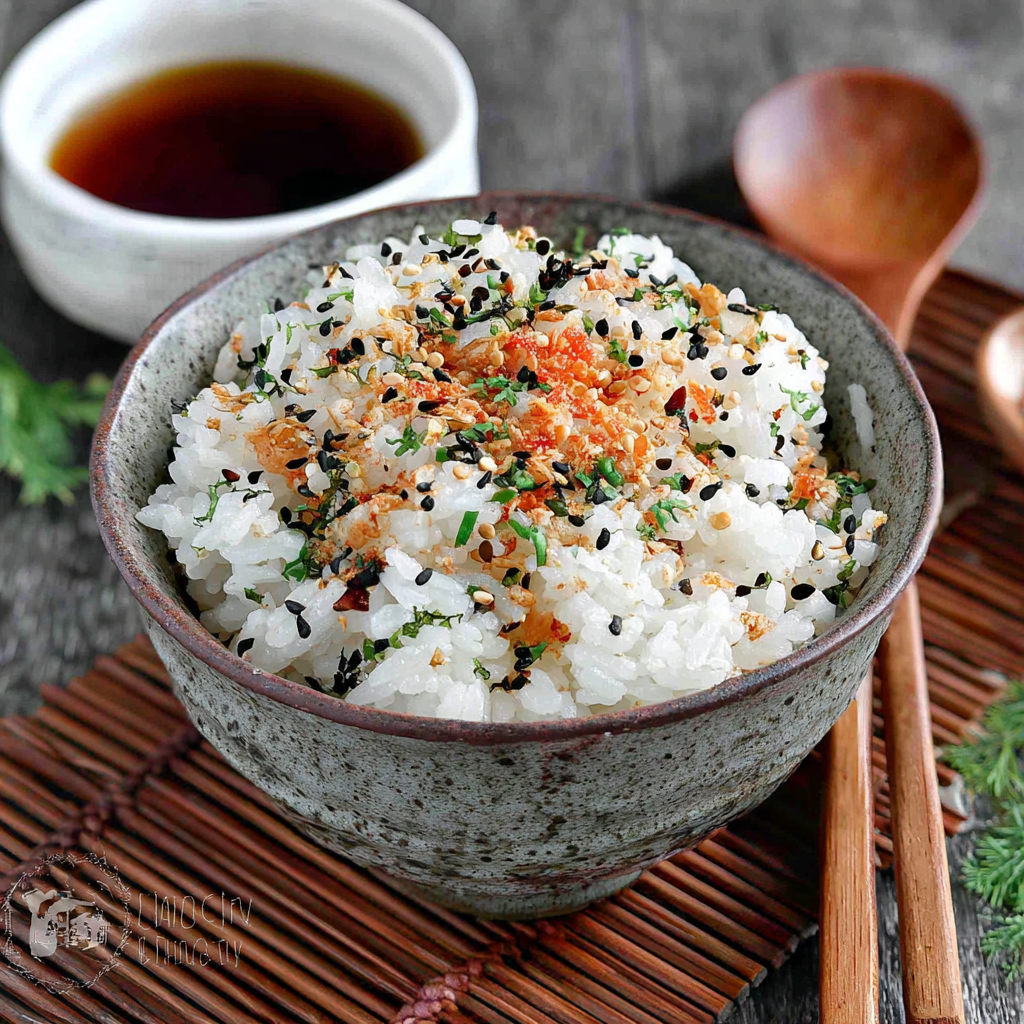
Perfecting the Art of Cooking Japanese White Rice
Ingredients
Method
- Rinse the rice thoroughly under cold water.
- Soak the rice for about 30 minutes.
- Add the soaked rice and water into the rice cooker.
- Season the water with salt and rice vinegar.
- Cook the rice according to the rice cooker settings.
- Let the rice sit for 10-15 minutes after cooking.
- Fluff the rice gently with a rice paddle and serve.
Notes
Additional serving suggestions: pair with a crisp salad, garlic bread, or roasted seasonal vegetables for balance.
For make-ahead, prep components separately and assemble just before heating to preserve texture.
Taste and adjust with acid (lemon/vinegar) and salt right at the end to wake up flavors.