Introduction
Tonkotsu ramen is a true gem of Japanese cuisine, celebrated for its creamy broth and hearty toppings. Its preparation requires thoughtful attention and time, but the end result is a bowl of comforting goodness that warms the heart and satisfies the soul.
The rich flavor of tonkotsu comes from simmering pork bones for hours, extracting the depth and umami that make this dish so irresistible. In this recipe, we will guide you through the essential steps to create your own tonkotsu ramen, offering both traditional elements and personal touches.
Ingredients
- 2 pounds pork bones
Pork bones, particularly neck bones and trotters, provide the gelatinous richness that gives tonkotsu its signature creamy mouthfeel as they simmer and release collagen into the broth. - 1 pound pork belly
Pork belly adds flavor and texture to the dish. It can be braised or roasted, providing a tender and satisfying topping that complements the rich broth. - 1 onion, halved
Onion introduces sweetness and depth to the broth. Caramelizing the onion during the simmering process helps enhance its natural flavors. - 1 head garlic, halved
Garlic imparts aromatic qualities that elevate the dish. Its robust flavor deepens in the broth and adds a fragrant note that pairs beautifully with pork. - 2 inches ginger, sliced
Ginger brings a fresh and slightly spicy element to the broth, balancing the richness of the pork and adding complexity to the flavor profile. - 8 cups water
Water is essential for creating the broth. The quantity determines the final consistency; you want enough to extract the flavors without diluting them. - 2 tablespoons soy sauce
Soy sauce adds a salty, umami punch to the broth, enhancing overall depth and bringing out the flavors of the ingredients. - 1 tablespoon mirin
Mirin contributes a subtle sweetness and helps balance the savory notes in the broth, enhancing the overall flavor experience. - Ramen noodles
Choosing quality ramen noodles is crucial, as their texture holds up well against the rich broth. Fresh or dried options both work well, depending on availability. - Toppings of choice (e.g. scallions, nori, soft-boiled eggs)
Toppings bring brightness and additional flavors to the dish. Each component adds a different texture and taste, elevating the experience of the ramen.
Directions & Preparation
Step 1: Prepare the pork bones and pork belly.
Start by rinsing the pork bones under cold water. This helps to remove any blood or impurities, ensuring a cleaner broth. For the pork belly, you can choose to marinate or season it lightly at this stage, which will deepen its flavor during cooking.
Step 2: Sear the pork belly.
Heat a skillet over medium-high heat and sear the pork belly on all sides until golden brown. This step creates a delicious crust and enhances the flavor through the Maillard reaction, which adds complexity to your dish.
Step 3: Sauté the aromatics.
In the same skillet, add the halved onion, garlic, and sliced ginger. Sautéing these ingredients lightly allows their flavors to develop before adding them to the broth, ensuring maximum flavor extraction during simmering.
Step 4: Combine all ingredients in a large pot.
Place the seared pork belly, rinsed pork bones, sautéed aromatics, and water in a large stockpot. Bringing everything together in one pot allows the flavors to meld while simmering, producing a rich and balanced broth.
Step 5: Simmer the broth.
Bring the pot to a boil, then reduce to a simmer for about 12 to 24 hours, skimming any foam that rises to the surface. This long cook time is key to extracting the savory essence from the bones, resulting in a voluminous, creamy broth.
Step 6: Strain the broth.
After hours of simmering, strain the broth using a fine-mesh sieve to remove solids. This gives you a silky smooth base, and you can adjust the seasoning at this point with soy sauce and mirin, balancing the flavors to your preference.
Step 7: Cook the ramen noodles.
Prepare the ramen noodles according to package instructions, usually boiling for just a few minutes until al dente. The noodles are a crucial element of the dish, so treat them with care for optimal texture.
Step 8: Assemble the ramen bowls.
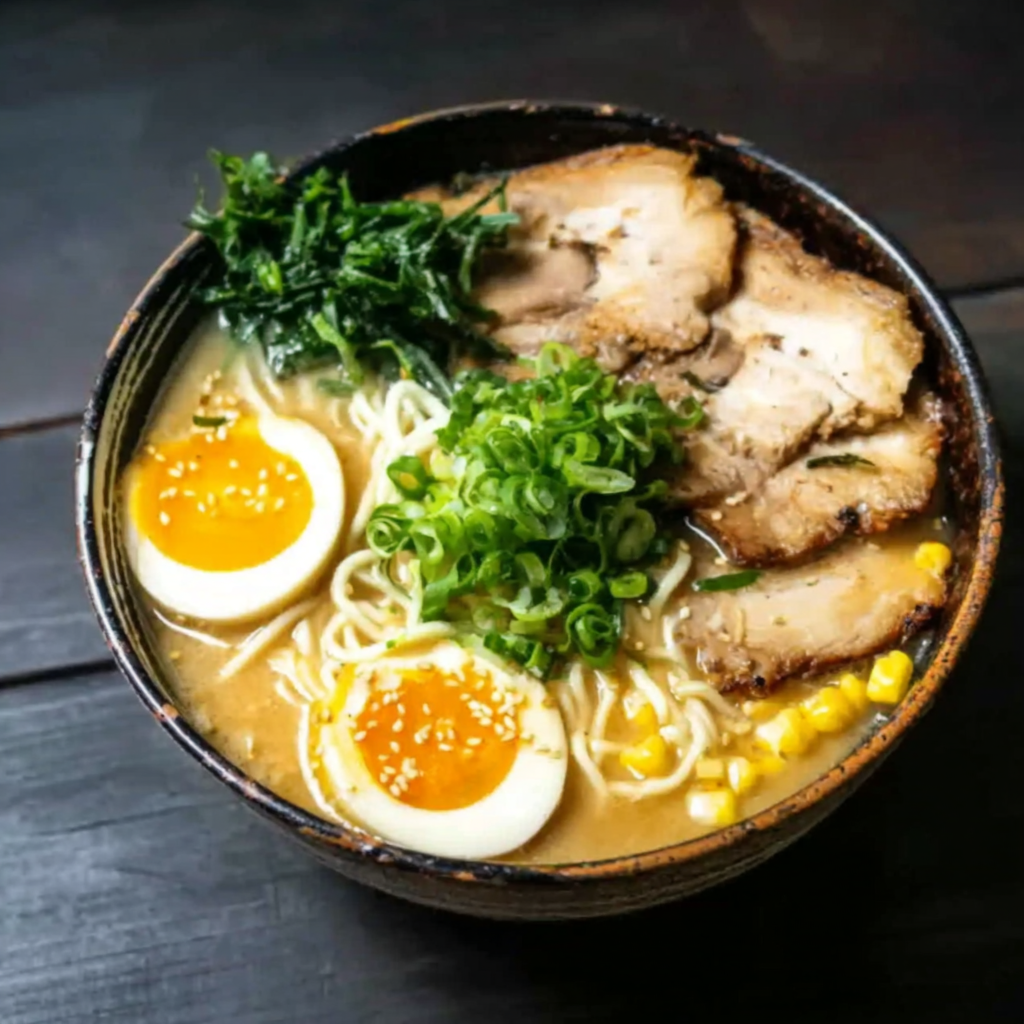
In serving bowls, layer the cooked ramen noodles, ladle the hot broth over the top, and artfully arrange your choice of toppings such as scallions, nori, and soft-boiled eggs. Assembly is an artistic endeavor that allows you to showcase your own preferences and creativity.
Step 9: Serve and enjoy.
Tonkotsu ramen is best served immediately while hot. Create a communal atmosphere by allowing diners to customize their bowls with additional toppings, inviting everyone to enjoy the flavors together.

The Art of Broth Making
Creating the perfect tonkotsu broth is an art that combines patience, technique, and quality ingredients. The essence of tonkotsu lies in the slow extraction of flavors from the pork bones, which results in a luscious, creamy texture. Each component contributes to the final taste, so selecting high-quality pork and allowing ample simmering time are non-negotiable steps for any serious ramen enthusiast.
Perfecting Your Toppings
Toppings elevate tonkotsu ramen beyond its already rich base, creating a multi-dimensional dish. Scallions provide a fresh crunch, nori adds umami depth, and soft-boiled eggs contribute silkiness. Customizing toppings based on your personal preferences not only enhances flavor but also allows for seasonal variations and personal expression in your culinary creations.
Noodle Texture Matters
Choosing the right noodle is crucial to the overall ramen experience. Tonkotsu broth pairs best with noodles that have a firm bite and can hold up to the richness of the soup. Fresh ramen noodles are ideal if available, but dried options work just as well if cooked properly. The goal is to create a harmonious texture that complements the creamy broth and adds heartiness to the dish.
FAQs
What if my broth turns out too thick?
If the broth is too thick, add small amounts of water gradually until the desired consistency is reached. Ensure to taste and adjust for seasoning.
Can I use different types of meat for the broth?
While pork is traditional for tonkotsu, you can incorporate chicken wings or beef bones for a different flavor profile, but this will change the overall taste.
What if my seasoning is too bland?
To boost flavor, consider adding a splash more soy sauce or a bit of salt. Also, taste before serving to ensure the broth achieves the desired depth.
How can I achieve a creamier broth?
To enhance creaminess, simmer the broth longer and ensure to use a good ratio of collagen-rich bones. Additionally, consider adding more pork belly for richness.
Can I make a vegetarian version of tonkotsu ramen?
While traditional tonkotsu is pork-based, you could create a umami-rich broth using shiitake mushrooms and kombu seaweed, enhancing flavors naturally.
How do I ensure my noodles don't get soggy in the broth?
Cook noodles separately and add them to the broth just before serving. This keeps them firm and prevents them from absorbing too much liquid.
Conclusion
Making tonkotsu ramen at home requires dedication, but the experience is incredibly rewarding. With this recipe, you can create a bowl that rivals any restaurant's offering, filled with layers of flavor and delightful textures.
Take the time to savor each step of the process; the result is a comforting dish that fills not just the stomach but the heart as well. Embrace the nuances of tonkotsu and find joy in each slurp.
Recipe Card
Tonkotsu Ramen: A Rich and Flavorful Broth Recipe
Ingredients
Method
- Prepare the pork bones and pork belly.
- Sear the pork belly.
- Sauté the aromatics.
- Combine all ingredients in a large pot.
- Simmer the broth.
- Strain the broth.
- Cook the ramen noodles.
- Assemble the ramen bowls.
- Serve and enjoy.
Notes
Additional serving suggestions: pair with a crisp salad, garlic bread, or roasted seasonal vegetables for balance.
For make-ahead, prep components separately and assemble just before heating to preserve texture.
Taste and adjust with acid (lemon/vinegar) and salt right at the end to wake up flavors.